Sheet metal services for custom metal parts
Brackets, covers, guards, panels and enclosures, laser cut and bent to your drawing. The machined parts they carry can ship on the same order, with one set of QC documents.
See the route your part takes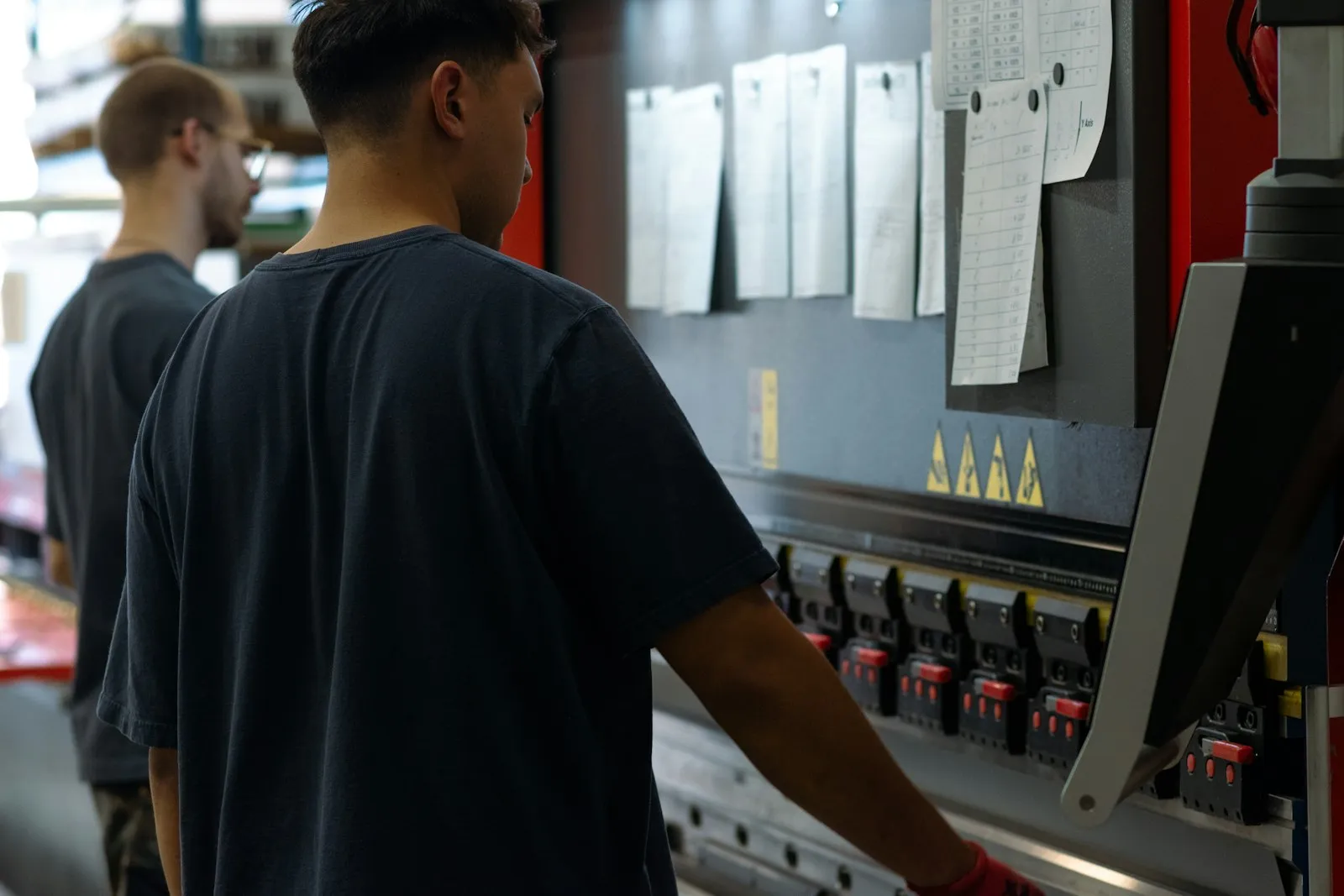
- Design and data security
- NDA protected
- Cutting
- Down to ±0.05 mm
- Bending
- Down to ±0.1 mm
- Plus
- Machined parts, one order
Maketeq’s sheet metal services turn flat metal sheet into finished parts: the outline is laser cut, then bent into shape on the press brake. We make custom metal parts to your drawing for manufacturers, machine builders and resellers worldwide, and machine the parts they carry on the same order.
Our sheet metal services
Two processes, one finished part
Most sheet metal parts need both: the flat blank is cut, then bent to shape. Each process has its own page with the drawing guidance.
 01
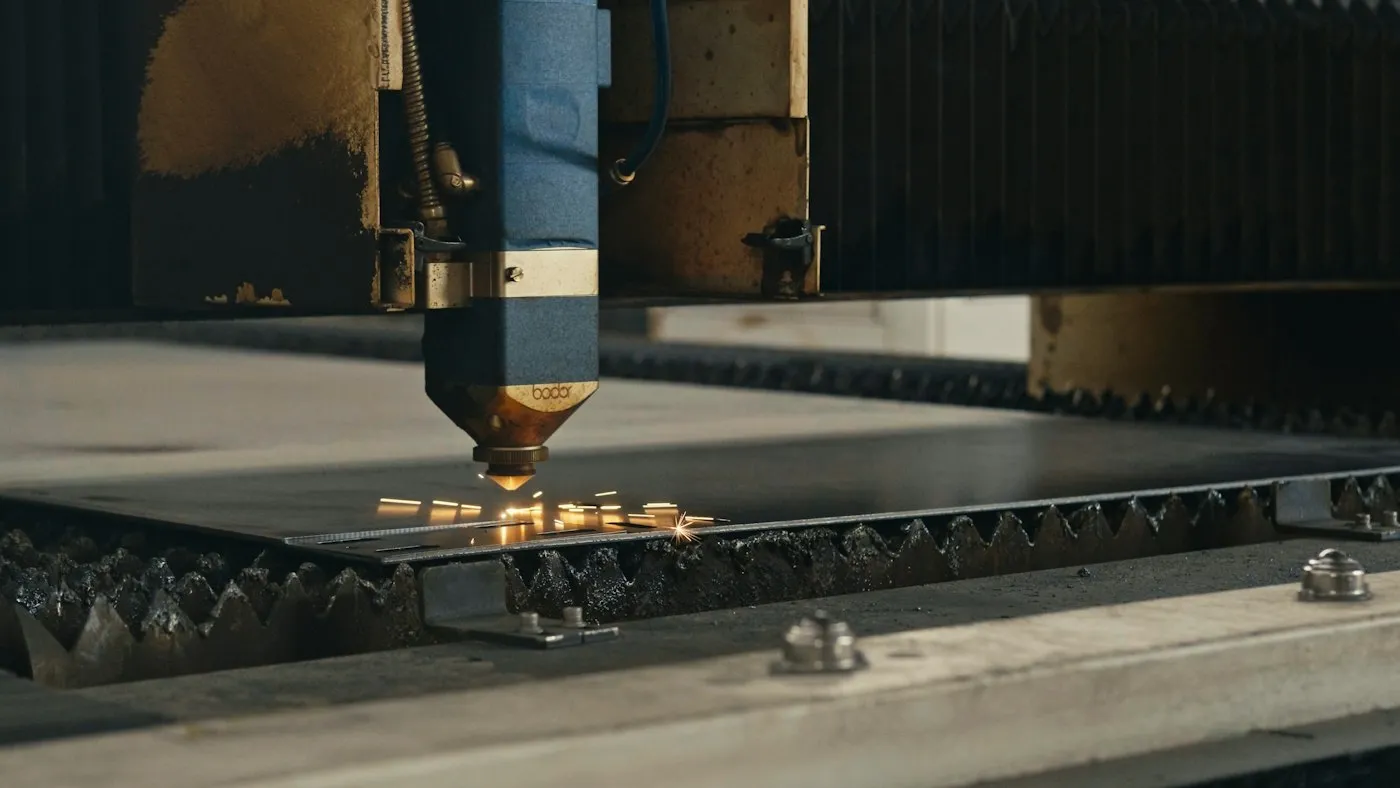
Sheet metal cutting
Flat profiles, plates and blanks for bending, laser cut from metal sheet to your DXF or drawing.
- Down to ±0.05 mm (±0.002") on request
- DXF checklist and edge quality explained
- Blanks cut ready for bending
 02
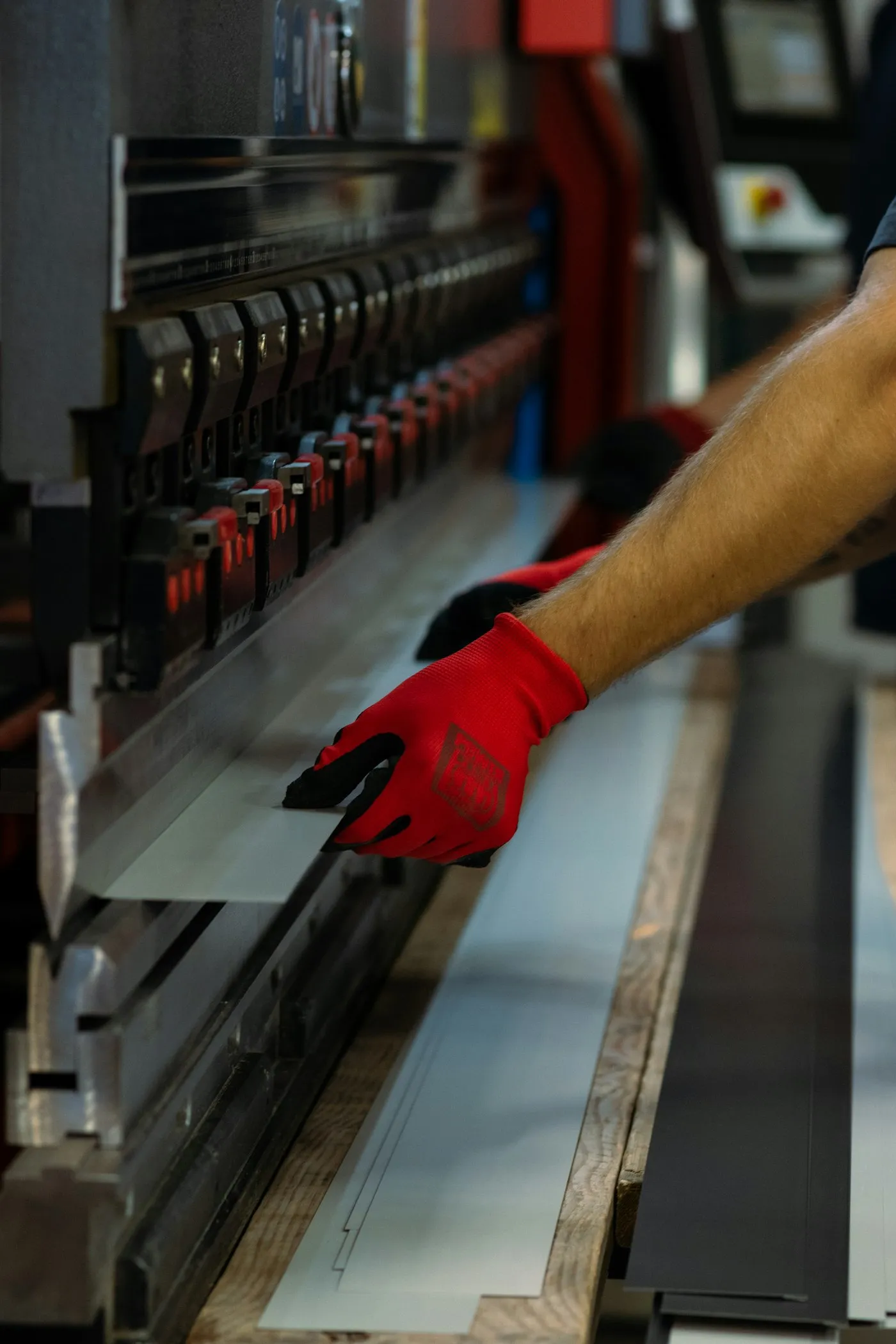
Sheet metal bending
Brackets, channels, covers, guards and enclosures formed on the press brake.
- Down to ±0.1 mm (±0.004") on request
- Flat pattern developed to suit the tooling
- Why tolerances stack across bends
What is sheet metal fabrication?
Sheet metal fabrication makes parts from flat sheet rather than solid stock. The outline is cut first, then the sheet is bent along straight lines to form flanges, channels and boxes. Because the part keeps the sheet’s thickness throughout, formed flanges give it stiffness without the weight of a solid part.
Two processes do the work. Laser cutting traces the outline, holes and cutouts in one pass, with no tooling to make first. Press brake bending then forms the bends, one at a time, in a planned order.
One supplier, one order
From flat sheet to the finished assembly
A sheet metal part rarely travels alone. We cut it, bend it, machine the parts it carries and finish them together, so one quote and one set of documents cover the lot.
The sheet part, and the machined parts it carries
Cut
The flat blank is laser cut with its holes, slots and cutouts.
Learn moreBend
The press brake forms the flanges, one bend at a time.
Learn moreMachine
Blocks, shafts and fittings the part carries, milled or turned alongside.
Learn more
Then, for every part on the order
Finish
Powder coating, plating, anodizing or another finish, where your drawing calls for it.
Inspect and document
Checked against your drawing, with the QC report and mill certificates.
Cutting and bending depend on each other: the flat pattern is developed for the bending tooling, and holes near bends are planned before the blank is cut.
Applications
Sheet metal parts we make
Flat and formed metal parts, from a single prototype to repeat production.
Brackets and angles
Mounting brackets, L and Z shapes and gussets.
Covers and guards
Machine guards, access panels and sensor covers.
Enclosures and boxes
Electrical housings, control boxes and trays.
Panels
Front panels, mounting panels and vent patterns.
Channels and frames
U and C sections, stiffeners and rails.
Plates and shims
Flat plates, shims, spacers and gaskets.
Chassis
Formed bases and frames that carry other parts.
Blanks for your line
Flat blanks cut ready for your own forming.
Industries we supply
View all industries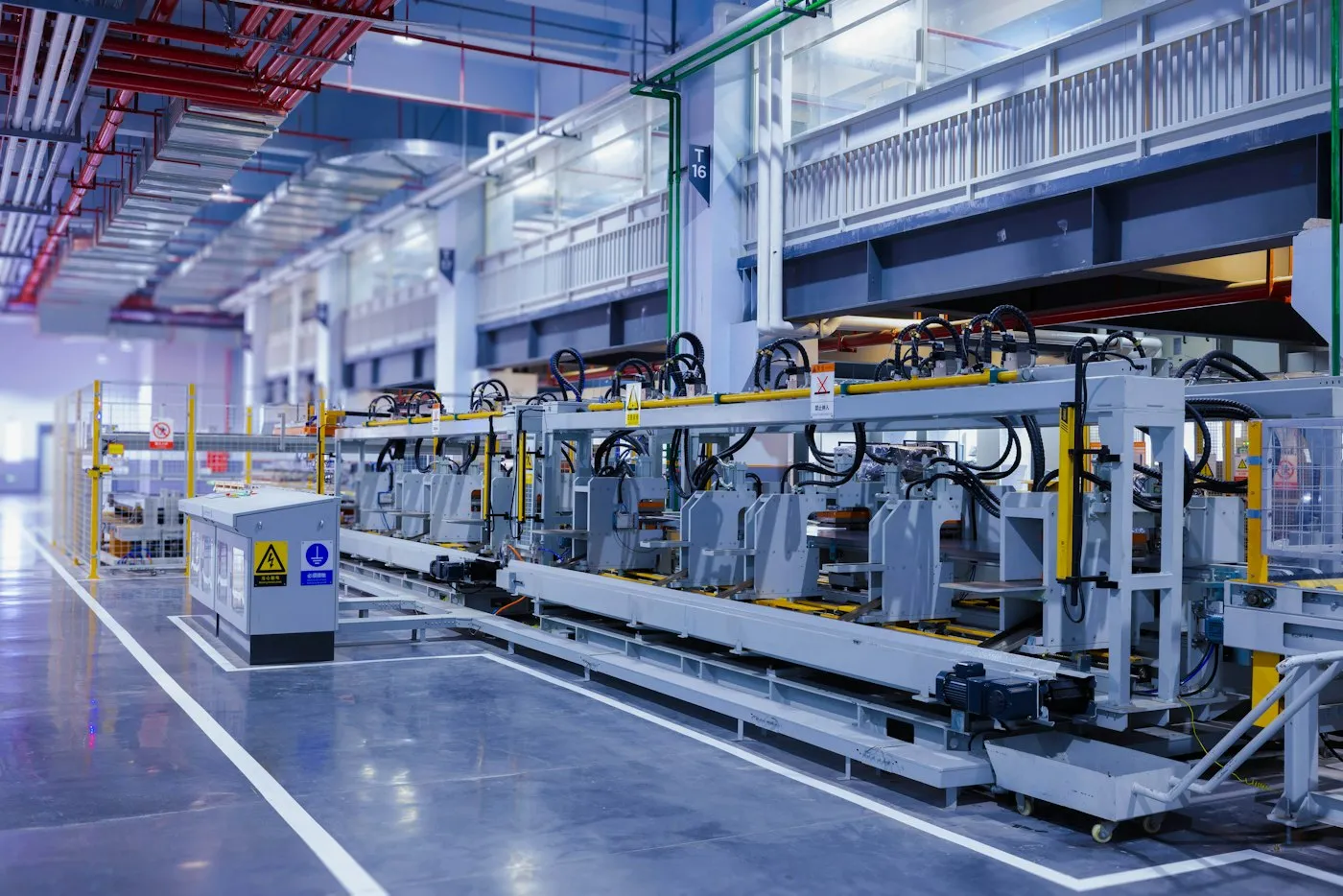
Industrial machinery
Guards, panels, brackets and covers for machine builders.
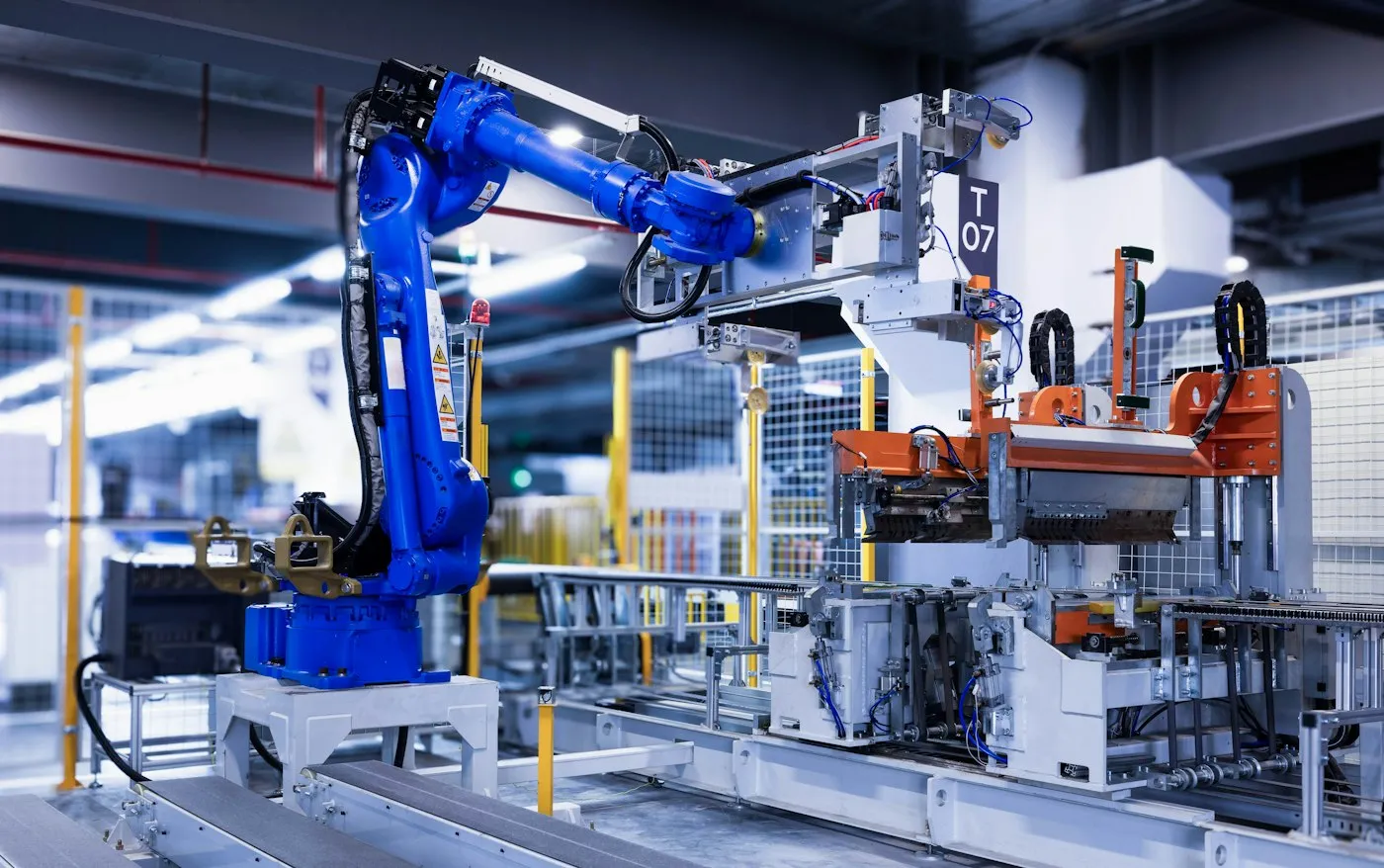
Automation and robotics
Mounting plates, sensor brackets and cell guarding.
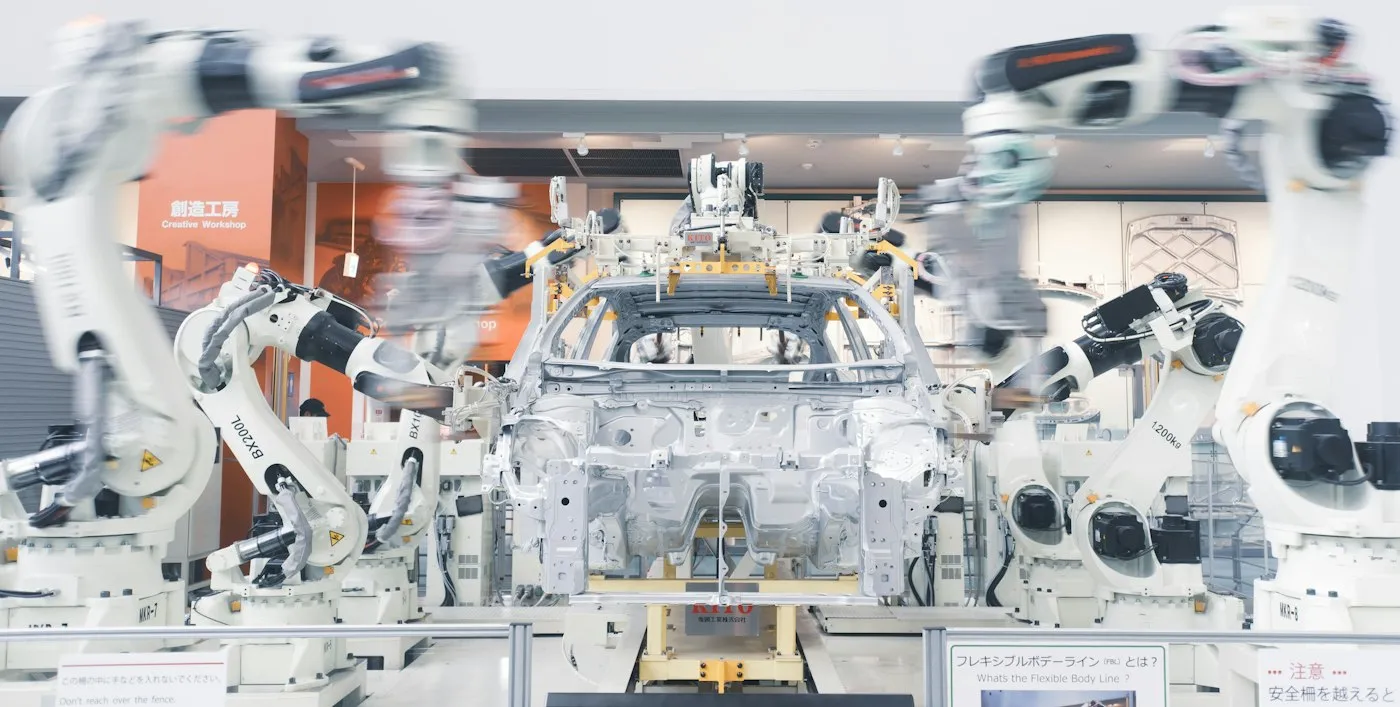
Automotive and transport
Brackets, fixtures and formed components.
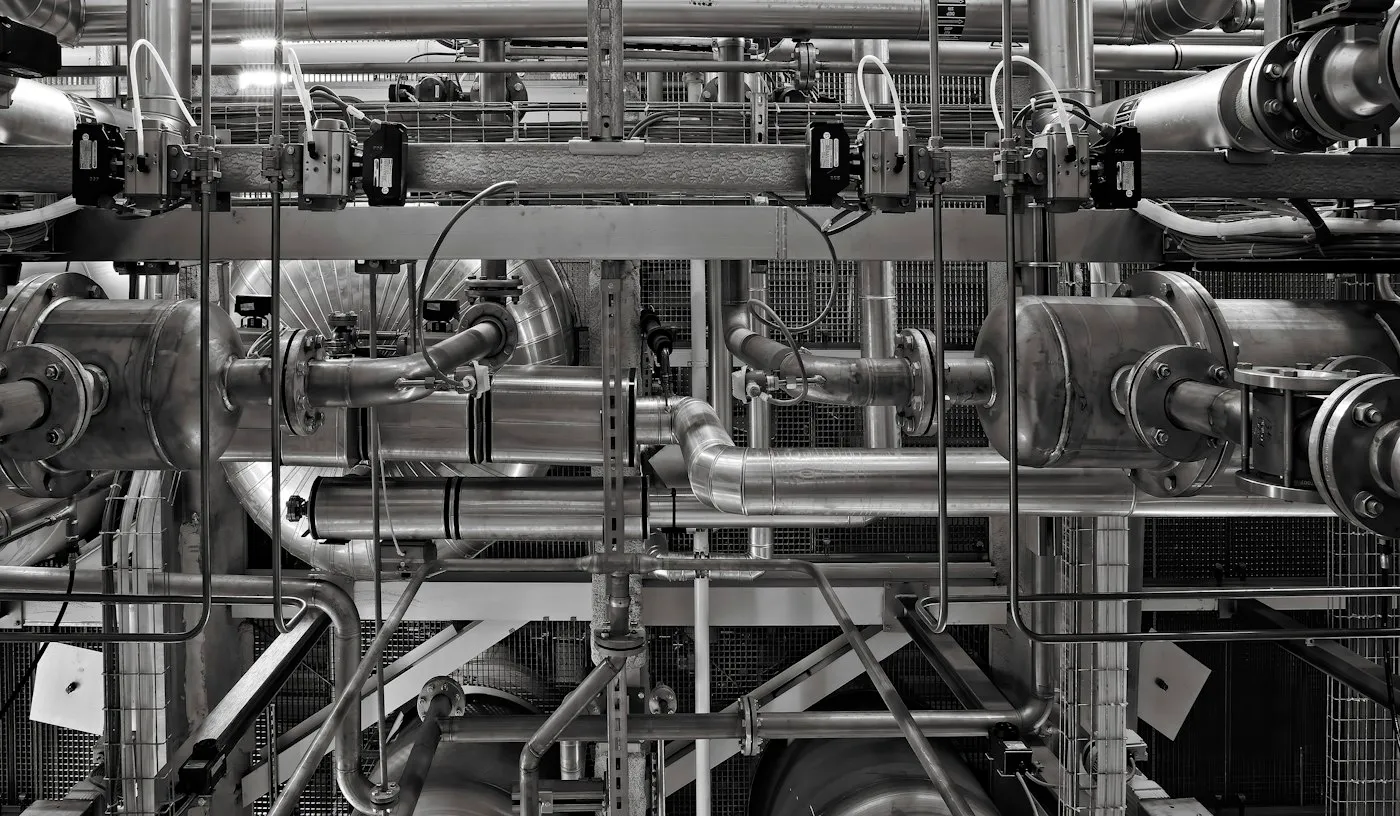
Oil, gas and process
Enclosures, panels and mounting brackets.
Our capabilities
Sheet metal capabilities at a glance
Cutting and bending share the same metals, finishes and documents. The exact grade, thickness and finish are confirmed in your quote.
A wide range of metals
Metals, plastics and other materials (plastics: see `plastics`; Vivek, 24 Oct 2026). Listed by alloy series; the exact grade is confirmed in your quote.
The thickness and temper are chosen to suit both the cut and the bends, and confirmed in your quote.
1xxx · 2xxx · 3xxx · 4xxx · 5xxx · 6xxx · 7xxx · 8xxx
200 series · 300 series · 400 series · PH grades
10xx · 11xx · 12xx
C2xxxx · C3xxxx
C1xxxx
From as-machined to anodized
Anodizing applies to aluminum parts. Coatings such as powder coating add thickness, so tell us which dimensions are measured before finishing and which after.
- As-machined
- Bead blasting
- Anodizing Type II
- Anodizing Type III (hard anodizing)
- Powder coating
- Brushing
- Passivation
- Electroplating (nickel, chrome, zinc)
- Painting
Laser cutting
Down to ±0.05 mm
±0.002" · on request, depending on the part
Bending
Down to ±0.1 mm
±0.004" · on request, depending on the part
There is no standard tolerance that applies to every part. What we can hold depends on the part: geometry, size, wall thickness, material, process, finish and how the feature is inspected. We work to the tolerances on your drawing and confirm them in the quote.
Paperwork your customer will ask for
Outlines, hole positions, bend angles and flange lengths are checked against your drawing before the parts ship.
With every order
- Standard QC inspection
- Material certification (mill certs)
- ISO 9001 documentation
On request
- CMM inspection report
- DFM analysis
- Geometric and dimensional metrology reports (FAIR, ballooned drawing, 3D scan, manual, Ra)
- Material verification and chemistry reports (MTC, PMI)
More on request
- Non-destructive testing reports (LPI, MPI)
- Process capability and compliance reports (SPC, PPAP)
- Other reports, on request
What changes hands
What you send, and what you get back
No portal to learn and no surprises at the end. This is the whole exchange.
What you send
- A STEP model of the formed part
- A PDF drawing with tolerances, material, thickness and finish
- A DXF, for parts that stay flat
- Quantities, and any machined parts for the same order
What you get back
- One quote with the price, the lead time and DFM notes
- A sample part for reference before production
- Photos, the QC report and proof of dispatch before the parts arrive
- Mill certificates and ISO 9001 documentation with every order
- A CMM inspection report or DFM analysis, on request
Which route will your part take?
The shape of the part decides the route. You don’t need to work it out before you ask for a quote, but this is how we read a drawing:
| Your part | Route | Where to read more |
|---|---|---|
| Flat: plates, shims, gaskets, panels | Cut | Laser cutting |
| Formed: brackets, covers, channels, enclosures | Cut, then bend | Sheet metal bending |
| Formed, with a machined part fitted or bolted on | Cut, bend, plus milling or turning | CNC machining |
| Solid, or with tight bores and deep pockets | Machine from solid | CNC milling |
If a part could go either way, the DFM notes with your quote say which route we chose and why.
Where does tolerance build up on a sheet metal part?
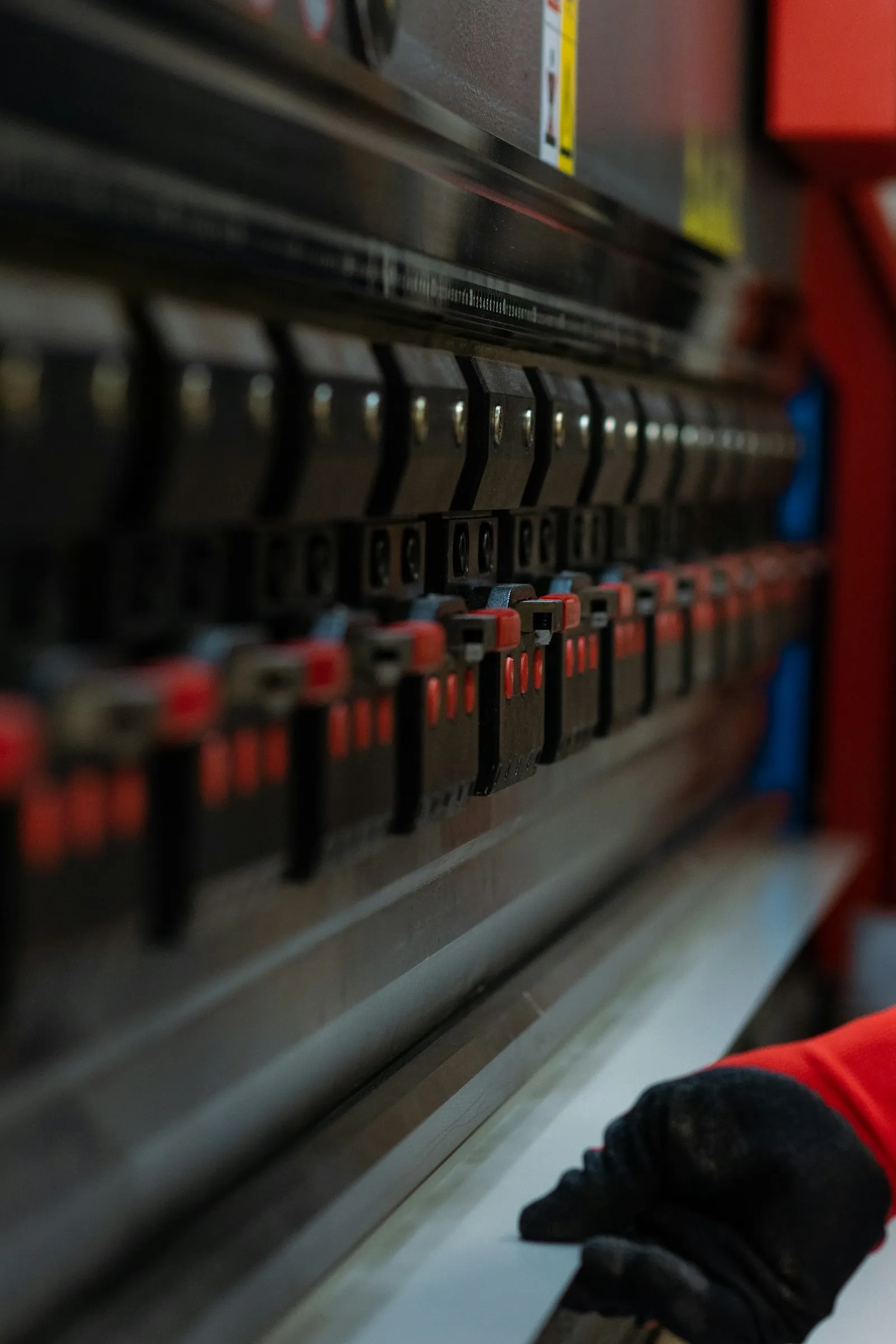
Cutting and bending hold different tolerances, and that shapes how a part should be dimensioned. Laser cutting can hold down to ±0.05 mm (±0.002”) on request, depending on the part, so a hole pattern on one flat face is set by the cut. Bending can hold down to ±0.1 mm (±0.004”) on request, and each bend adds its own variation in angle and position.
A dimension that crosses several bends collects the variation of each one. So the distance between two flanges three bends apart can’t be held as closely as two holes on the same face. The practical rule:
- Dimension critical holes from each other or from the same face, not across a bend.
- Put tight tolerances only on the features that locate or fit another part.
- Give flange lengths that don’t mate with anything a general tolerance.
Our bending page covers the callouts on a bent part one by one.
Prototype or production: what changes?
Nothing about the part. Laser cutting needs no part-specific tooling, so one prototype and a production batch follow the same route.
| First prototype | Repeat production | |
|---|---|---|
| Route | Cut and bend, same as production | Same route, same tooling plan |
| Flat pattern | Developed from your formed model | Reused for every batch |
| Documents | QC report, mill certificates, ISO 9001 documentation | The same, with every batch |
| Price per part | Setup spread over a few parts | Setup spread over the batch, so lower |
What changes with volume is the price per part, because setup is a fixed cost per job. There is no minimum order quantity.
What files should you send?
All common CAD formats work, including STEP, IGES, DXF, DWG and PDF drawings. For sheet metal, three files together give the clearest brief:
| File | What it tells us |
|---|---|
| STEP model | The formed shape, every bend and flange |
| DXF | The flat outline, for parts that stay flat |
| PDF drawing | Tolerances, material, thickness, finish and quantity |
Upload files up to 5 MB with the quote form. Larger files can go by email. If a part is bent, the STEP model matters most: it shows the formed shape, and the flat pattern is developed from it to suit the tooling.
Quality assurance
Cut, bent and checked against your drawing
We guarantee consistent quality from first order to repeat production.
- ISO 9001 certified quality system
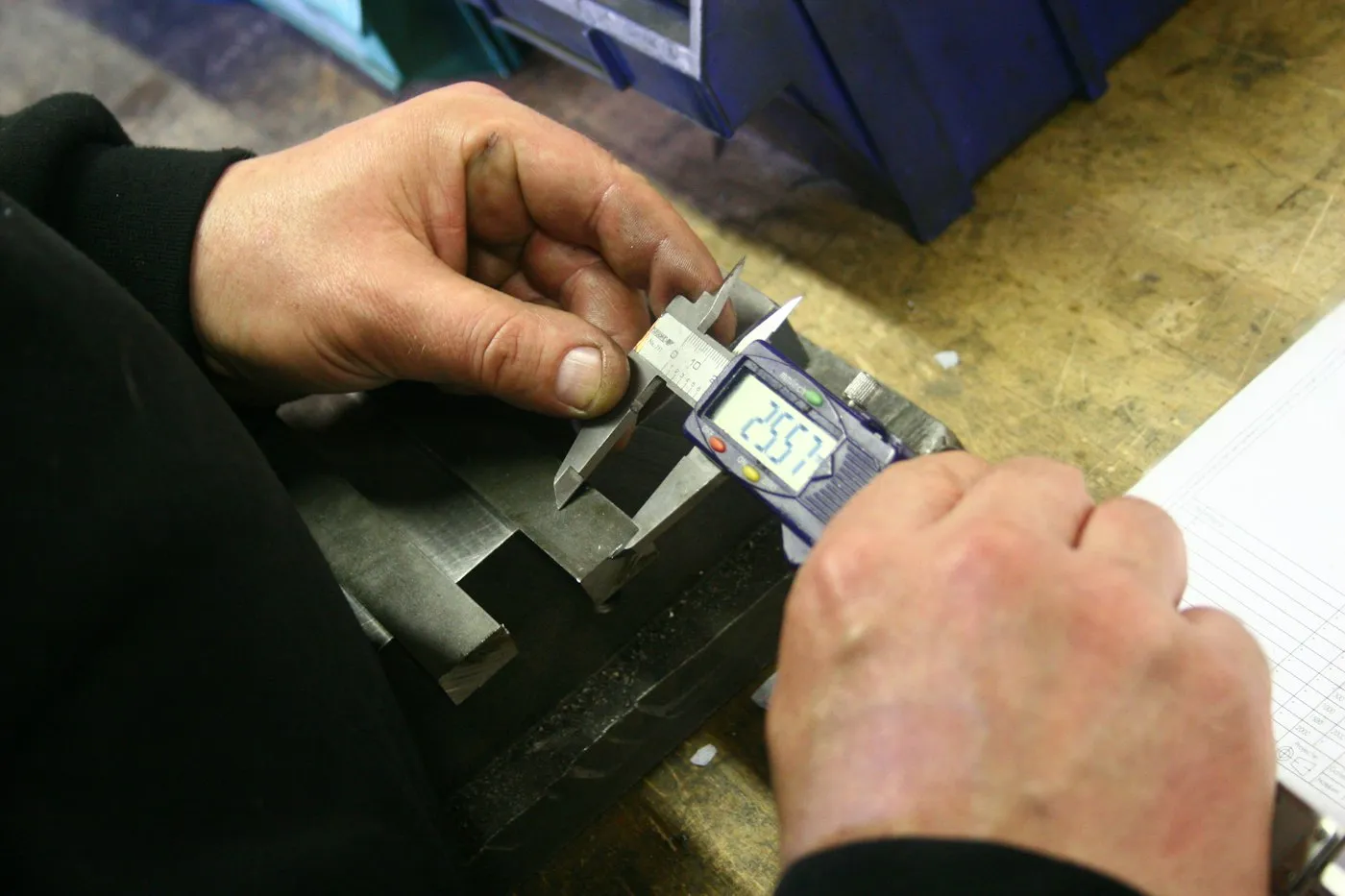
- Outlines, holes, bend angles and flange lengths checked against your drawing before the parts ship
- Standard QC inspection, material certification (mill certs) and ISO 9001 documentation with every order
- CMM inspection report and DFM analysis on request
- NDA as standard. Files shared only with our production team.
How we work
From inquiry to satisfaction
The same path on every order, so you always know what happens next and what you'll receive.
- 01
Inquiry and drawing
You send your CAD file or drawing. We log the design and an engineer reviews it for manufacturability (DFM).
- 02
Quote with DFM notes
One quote with the price, the lead time and notes on anything that adds cost.
- 03
Sample part for reference
A sample part is made and sent to you for reference before production starts.
- 04
Production
The batch is made to the approved sample and inspected against your drawing.
- 05
Proof before the parts arrive
Photos of your parts, the QC reports and proof of dispatch reach you before the parts do.
- 06
Delivery and satisfaction survey
Parts arrive by standard delivery, and we ask how we did with a short customer satisfaction survey.
Gallery
Sheet metal parts gallery
Why Maketeq
Why buyers choose Maketeq for sheet metal
Sheet metal and machining together
Machining and sheet metal from one supplier: the bracket and the block it carries, on one order and one inspection standard.
More than 50% lower cost
Below typical US and European prices and online manufacturing platforms, from a geographic cost advantage, not from less inspection.
Flat pattern done for you
Send the formed part. The flat pattern is developed to suit the bending tooling, and the quote notes anything that affects the formed size.
Documents with every order
ISO 9001 certified. QC inspection, mill certificates and ISO 9001 documentation come with every order.
Proof before the parts arrive
Photos of your parts, the QC reports and proof of dispatch reach you before the parts do.
Engineers who reply
Technical team on email and WhatsApp. Reply within 6 hours, whatever your time zone.
Before you send
Is your sheet metal request quote-ready?
Tick what you have. Anything missing, send what you've got and an engineer will ask for the rest.
Questions buyers ask about our sheet metal services
Can machined and sheet metal parts go on one order?
Yes. We machine and form metal parts, so a bent part and the machined parts it fits can be quoted, made and shipped together. Our industries page shows the assemblies this suits.
Do I need to send a flat pattern?
No. Send a STEP model of the formed part. The flat pattern depends on the bending tooling, so we develop it to suit our press brake and note anything that affects the formed dimensions.
What sheet thickness and part size can you handle?
It depends on the material and the part. Send the drawing and the quote confirms the thickness, sheet size and process for your part.
Do you send a sample before production?
Yes. A sample part is made and sent to you for reference before production starts, so you can check fit against your assembly.
Who makes my part?
Parts are made in house and through our verified manufacturing partners, to one ISO 9001 quality standard. NDA as standard: your files are shared only with our production team.
Is there a minimum order quantity?
No. You can order one part or a production batch.
Do you work in plastics?
Yes, on request. We work in metals, plastics and other materials.
How do payment, currency and shipping work?
A partial advance on order and the balance before dispatch, in any currency. We usually ship with DHL or FedEx, use local carriers such as DPD in the UK where it suits the country, and handle customs paperwork where required.
Ready to start? Upload your drawing for a sheet metal quote.
Learn more
Related guides and articles
Send the drawing for your sheet metal part
An engineer picks the route, flags anything that adds cost and sends one quote with the price and lead time.