Brass and copper CNC machining
Fittings, connectors, bushings, busbars and contacts in brass and copper, turned and milled to your drawing. Name the UNS number and temper, and we confirm the exact alloy in the quote.
- Brass
- C2xxxx, C3xxxx
- Copper
- C1xxxx
- Alloy
- Confirmed in quote
- Certificate
- Mill cert included
Our brass CNC machining services cover the C2xxxx and C3xxxx brasses, and we machine C1xxxx coppers too. This page helps you choose between free-cutting brass, forming brass and copper, and compares how each machines on one scale. It also covers lead limits for drinking water and electronics and shows how to write the callout so the quote matches the part.
Which brass and copper alloys do you machine?
We machine brass and copper by CNC turning and CNC milling. Brass and copper sheet parts are cut and bent through our sheet metal services. The exact alloy is confirmed in your quote.
Plastics and other materials on request. The exact grade is confirmed in your quote.
Copper alloys are named by UNS number, kept by the Copper Development Association (CDA). Coppers run from C10100 to C15999, and brasses from C20000 to C49999. C2xxxx alloys are copper-zinc brasses, and C3xxxx are leaded brasses made for easier machining (CDA).
How do brass and copper compare for machining?
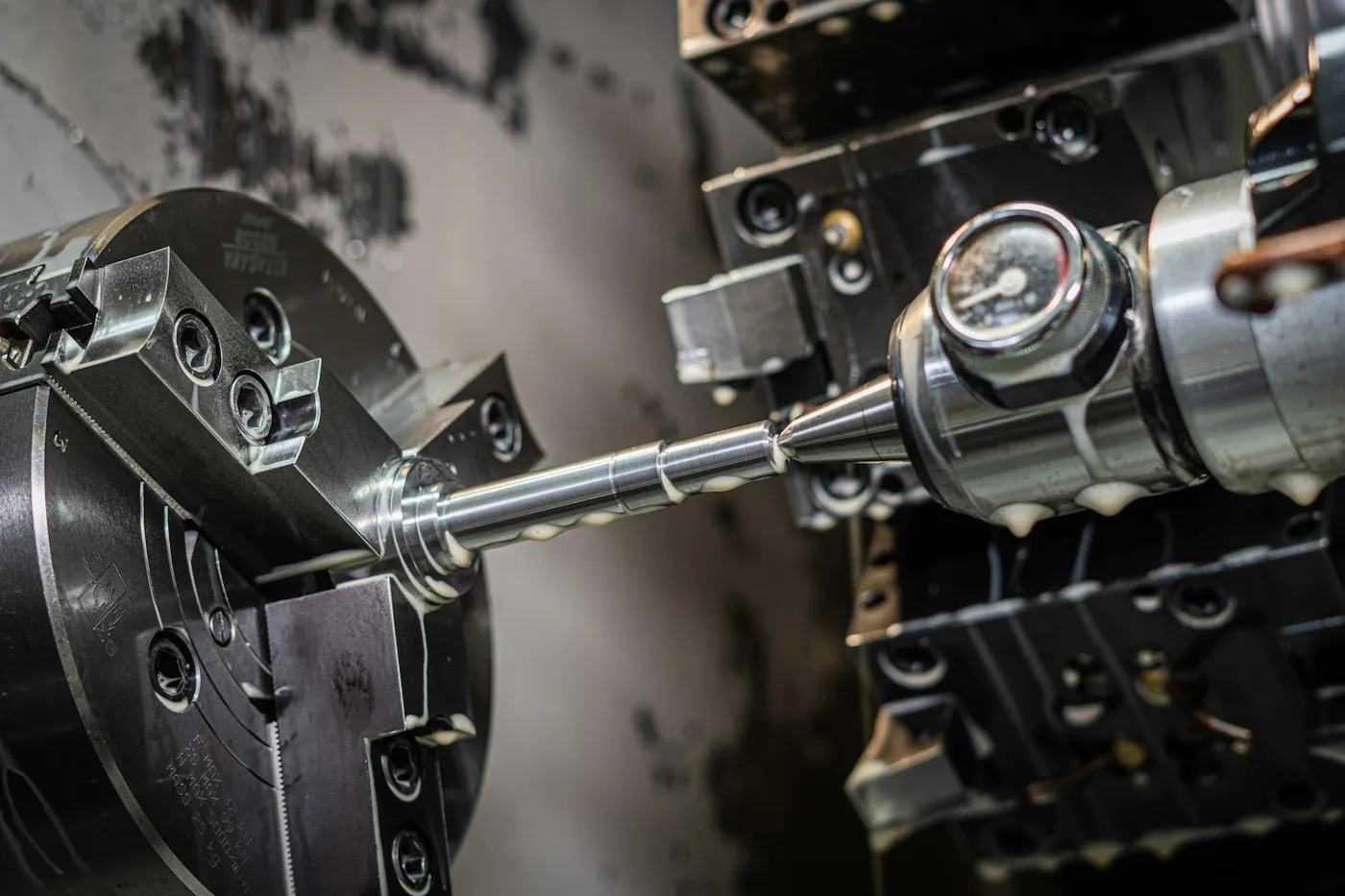
Free-cutting brass is the benchmark: CDA rates C36000 at 100 on its machinability scale, and rates every other copper alloy against it (CDA). Pure copper is far harder to cut, and a free-machining copper sits between the two.
| Alloy (example) | Family | CDA machinability rating | Electrical conductivity | Best for |
|---|---|---|---|---|
| C36000 free-cutting brass | C3xxxx leaded brass | 100 | Lower than copper | Turned fittings, connectors and fine detail |
| C26000 cartridge brass | C2xxxx brass | 30 | Lower than copper | Parts that are also formed or bent |
| C14500 tellurium copper | C1xxxx free-machining copper | 85 | 93% IACS | Machined electrical parts with many features |
| C11000 ETP copper | C1xxxx copper | 20 | 101% IACS | Busbars and simple conductive parts |
| C10100 OFE copper | C1xxxx copper | Not given | 101% IACS or more | High-purity conductive parts |
Ratings and conductivity are from CDA (C36000, C26000, C14500, C11000, UNS coppers). IACS is the International Annealed Copper Standard, the usual scale for conductivity. Example alloys are labels, not a list of what we stock.
Why does brass machine so well?
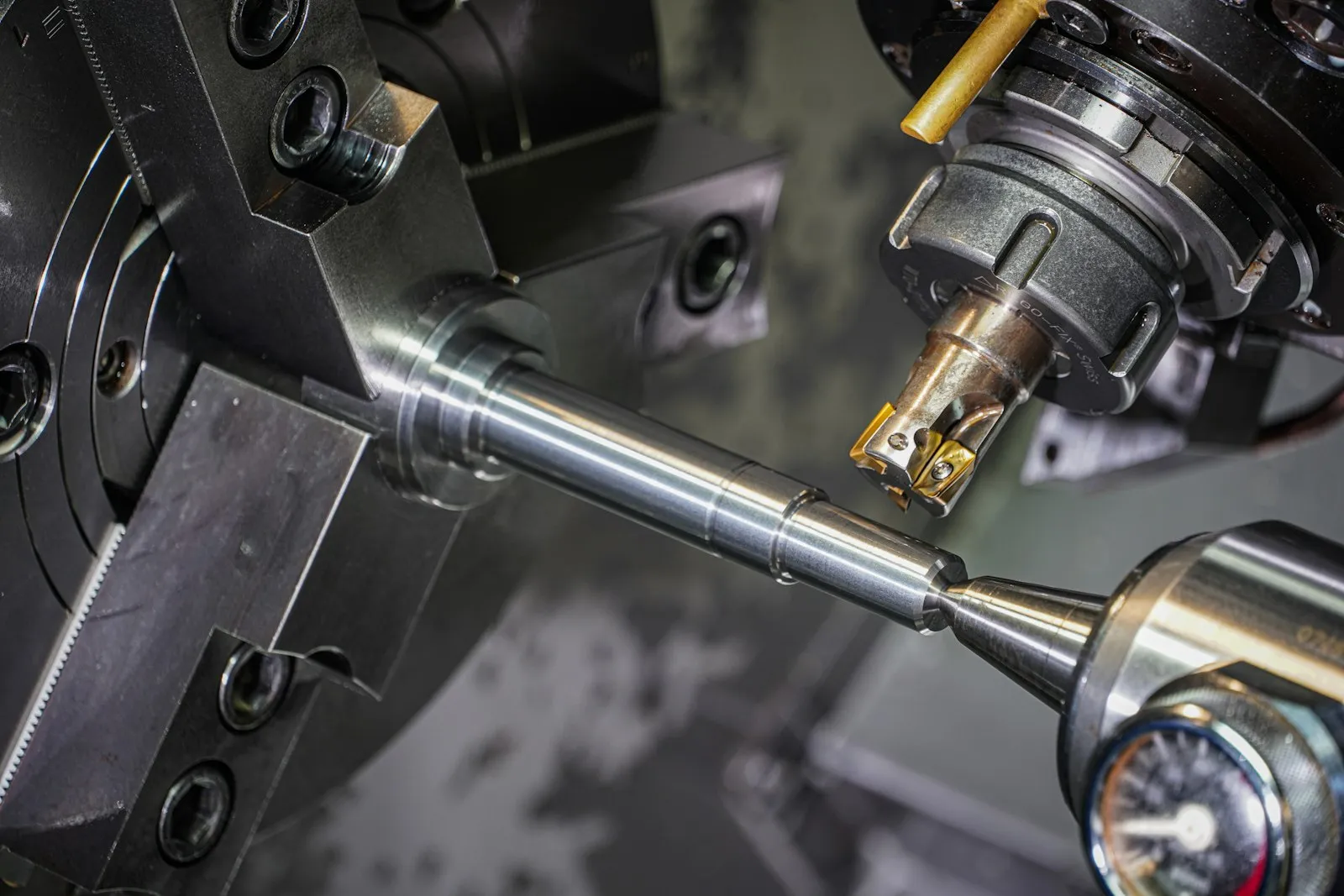
The lead in leaded brasses acts as a chip breaker and a lubricant at the tool (CDA). Chips break into small pieces instead of long strings, so the tool can run fast and leave a clean surface. That’s why free-cutting brass is a common choice for turned fittings and threaded parts.
Pure copper has no chip breaker, so it cuts with long, tough chips and a slower cycle. That shows up in its CDA rating of 20, against 100 for free-cutting brass (CDA).
What that means for your part:
- Turned parts with many features: C36000 brass, if lead is acceptable.
- Parts that carry current with many features: a free-machining copper such as C14500 keeps most of copper’s conductivity and machines far better than C11000.
- Simple busbars and plates: C11000, where conductivity matters more than machining time.
- Formed and machined parts: a C2xxxx brass such as C26000, which cold works well (CDA).
Is leaded brass allowed for drinking water and electronics?
It depends on the market and the use. In the US, parts that touch drinking water must be “lead free” under the Safe Drinking Water Act, which means a weighted average of no more than 0.25% lead across the wetted surfaces (US EPA). Free-cutting brass such as C36000 contains several percent lead, well above that limit (CDA).
In the EU, the RoHS Directive has an exemption, 6(c), that allows lead as an alloying element in copper alloys up to 4% by weight (EUR-Lex). Exemptions are reviewed over time, so check the current status for your product.
If your part needs lead-free brass, say so on the drawing, and we confirm a suitable alloy in the quote.
Which finishes suit brass and copper?
Brass and copper are often left as-machined for their natural color, or plated. Nickel and chrome plating on copper alloys is specified to ASTM B456 by service grade (ASTM International).
| Finish | Why you’d choose it on brass or copper | Watch for |
|---|---|---|
| As-machined | Natural color and the lowest cost | Say if the surface must stay bright in service |
| Nickel or chrome electroplating | Wear resistance and a stable, bright surface | Name the service grade, such as ASTM B456, on the drawing |
| Bead blasting | Even matte look | Changes appearance more than performance |
| Brushing | Linear grain on visible faces | Show the grain direction on the drawing |
| Powder coating and painting | Color on non-conductive surfaces | Mask contact faces on electrical parts |
Our full list of finishes:
- As-machined
- Bead blasting
- Anodizing Type II
- Anodizing Type III (hard anodizing)
- Powder coating
- Brushing
- Passivation
- Electroplating (nickel, chrome, zinc)
- Painting
How do you call out brass and copper on a drawing?
Write the UNS number, the temper and the product standard if one applies. For example (an example callout, not a recommendation): “Brass C36000, H02 half hard, rod to ASTM B16”. ASTM B187 covers copper bar and busbar, and ASTM B124 covers forging rod and bar (ASTM International).
What to put on the drawing or in your message:
- UNS number, such as C36000 or C11000. “Brass” or “copper” alone isn’t enough to quote.
- Temper, such as H02 half hard, if it matters for the part.
- Lead limits, if the part touches drinking water or must meet RoHS without the exemption.
- Finish, with the plating standard and any contact faces to mask.
Every order comes with a mill certificate that traces the metal to its batch, along with QC inspection and ISO 9001 documentation.
- Standard QC inspection
- Material certification (mill certs)
- ISO 9001 documentation
Questions buyers ask about brass and copper CNC machining
Which brass is best for CNC machining?
C36000 free-cutting brass is the machinability benchmark for copper alloys, rated 100 by CDA (CDA). It’s the usual choice for turned parts, unless the part needs to be lead free.
Why is copper harder to machine than brass?
Pure copper has no lead to break chips, so it forms long, tough chips. CDA rates C11000 at 20 against 100 for free-cutting brass (CDA).
Is there a copper that machines well?
Yes. Free-machining coppers such as C14500 tellurium copper are rated 85 by CDA and keep 93% IACS conductivity (CDA).
Brass or copper for an electrical part?
Copper is the conductor: C11000 rates 101% IACS (CDA). Choose brass where machining cost and detail matter more than conductivity.
Can you make lead-free brass parts?
Tell us the lead limit the part must meet, such as the US drinking-water rule. We confirm a suitable alloy in the quote.
Will I get a material certificate?
Yes. A mill certificate comes with every order, so the alloy traces back to the batch the metal came from.
New to the process? Read what CNC machining is and how a part is made, compare brass with aluminum for CNC machining, or see all the metals we machine.
Sources
- Copper Development Association, UNS wrought brasses, https://uns.copper.org/wrought/brasses.php, accessed 2026-10-20.
- Copper Development Association, UNS wrought coppers, https://uns.copper.org/wrought/coppers.php, accessed 2026-10-20.
- Copper Development Association, C36000, C26000, C14500 and C11000 alloy pages, https://alloys.copper.org/alloy/C36000, accessed 2026-10-20.
- Copper Development Association, Leaded Brasses, https://copper.org/resource-library/leaded-brasses/, accessed 2026-10-20.
- US Environmental Protection Agency, Questions and Answers About the Final Lead Free Rule, https://www.epa.gov/sdwa/questions-and-answers-about-final-lead-free-rule, accessed 2026-10-20.
- European Union, Directive 2011/65/EU (RoHS), https://eur-lex.europa.eu/legal-content/En/ALL/?uri=celex%3A32011L0065, accessed 2026-10-20.
- ASTM International, B16, B124, B187 and B456 (named; homepage linked), https://www.astm.org/, accessed 2026-10-20.
Capabilities
How we make metal parts
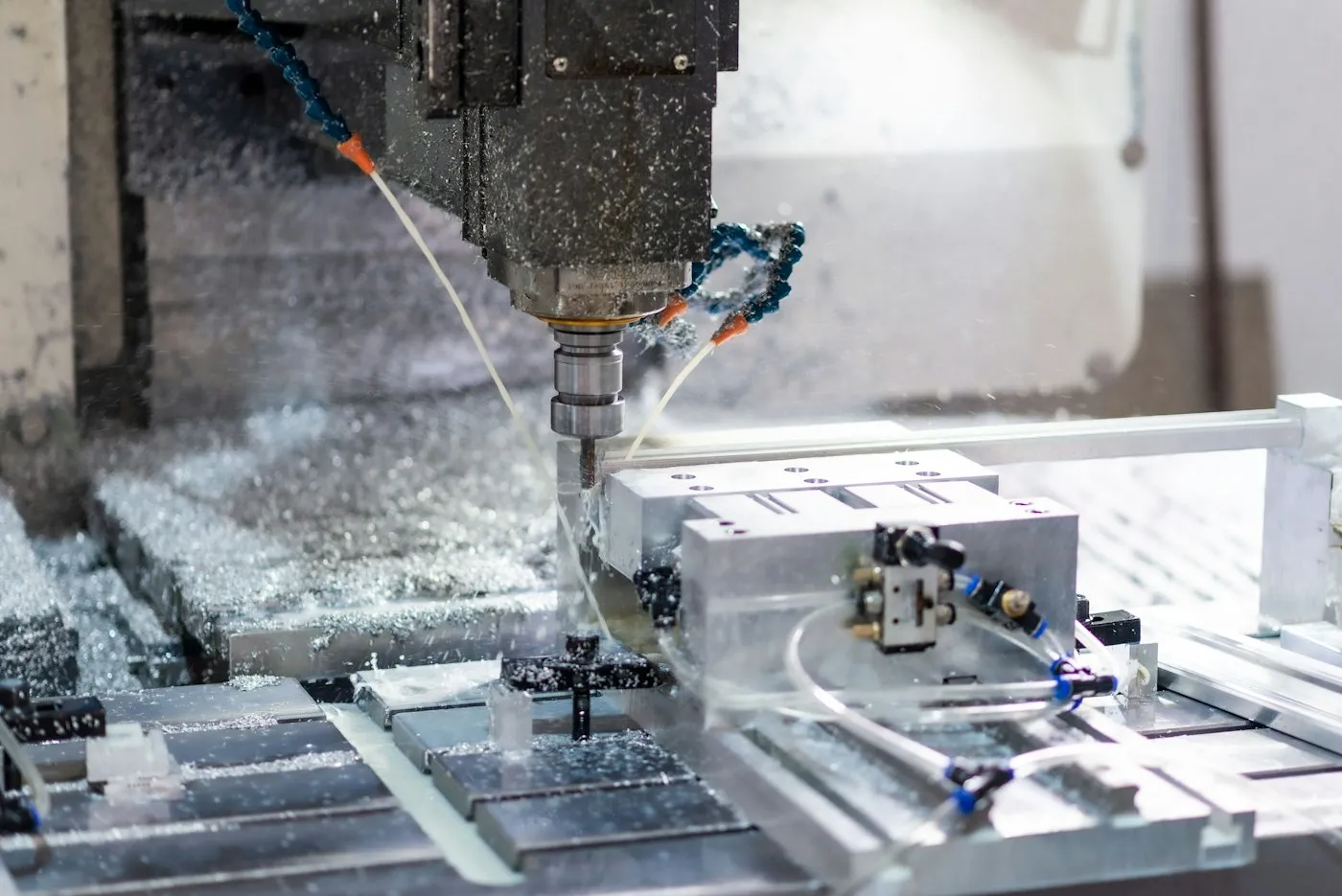
CNC machining
Prismatic metal parts made from your STEP file and drawing.
Explore CNC machining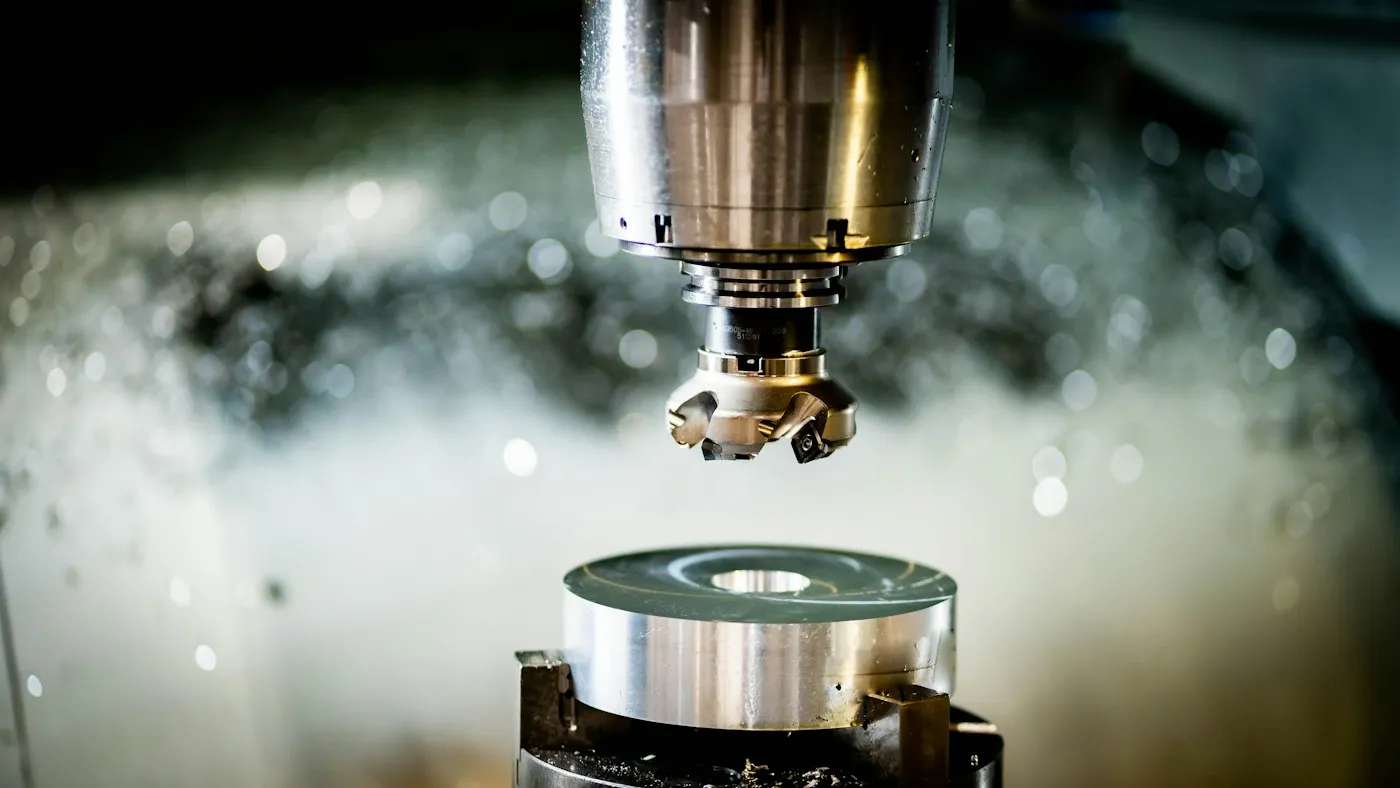
CNC milling
Pockets, faces, slots and threaded features on VMC.
Explore CNC milling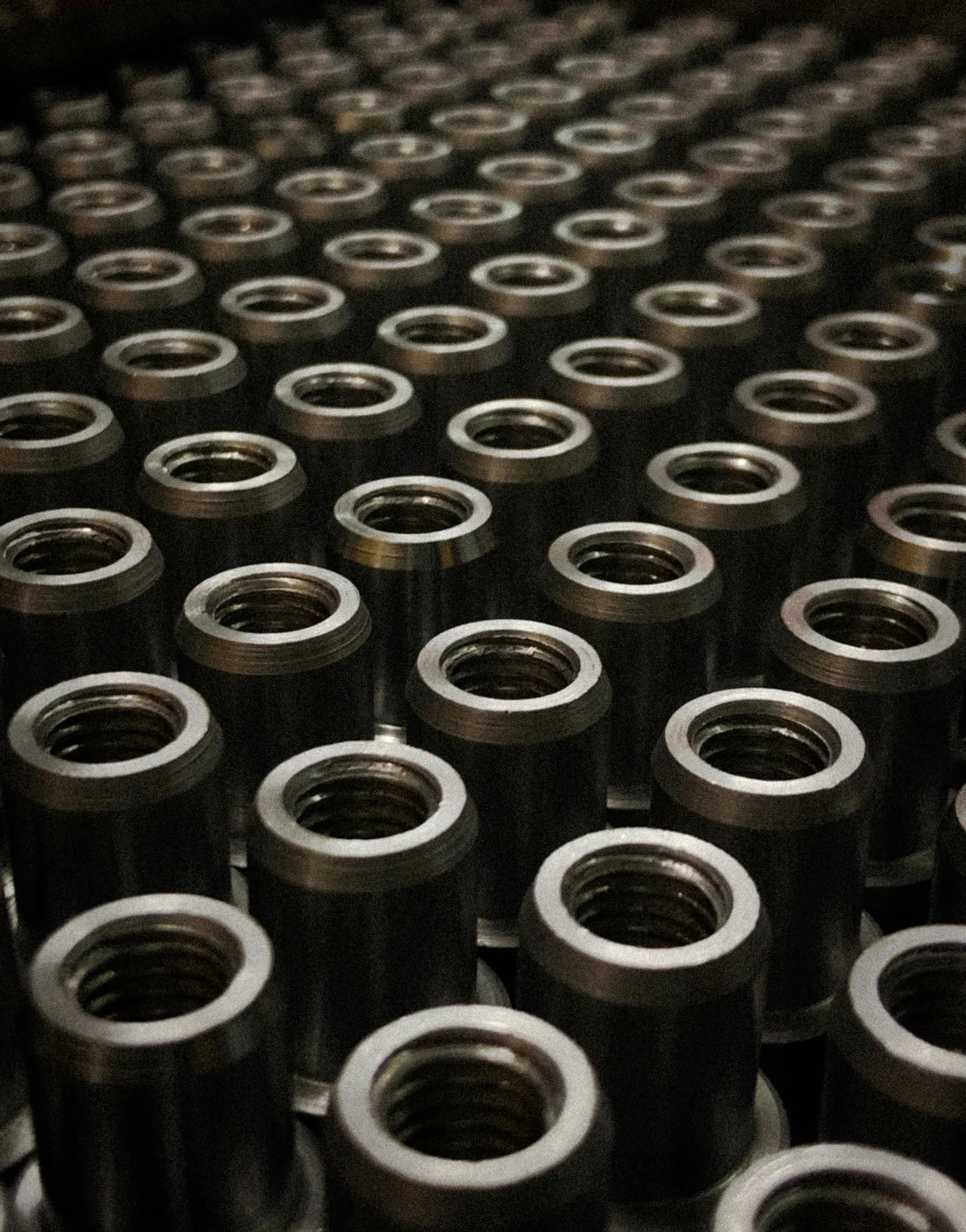
CNC turning
Shafts, pins, bushings and round fittings turned on CNC lathes.
Explore CNC turning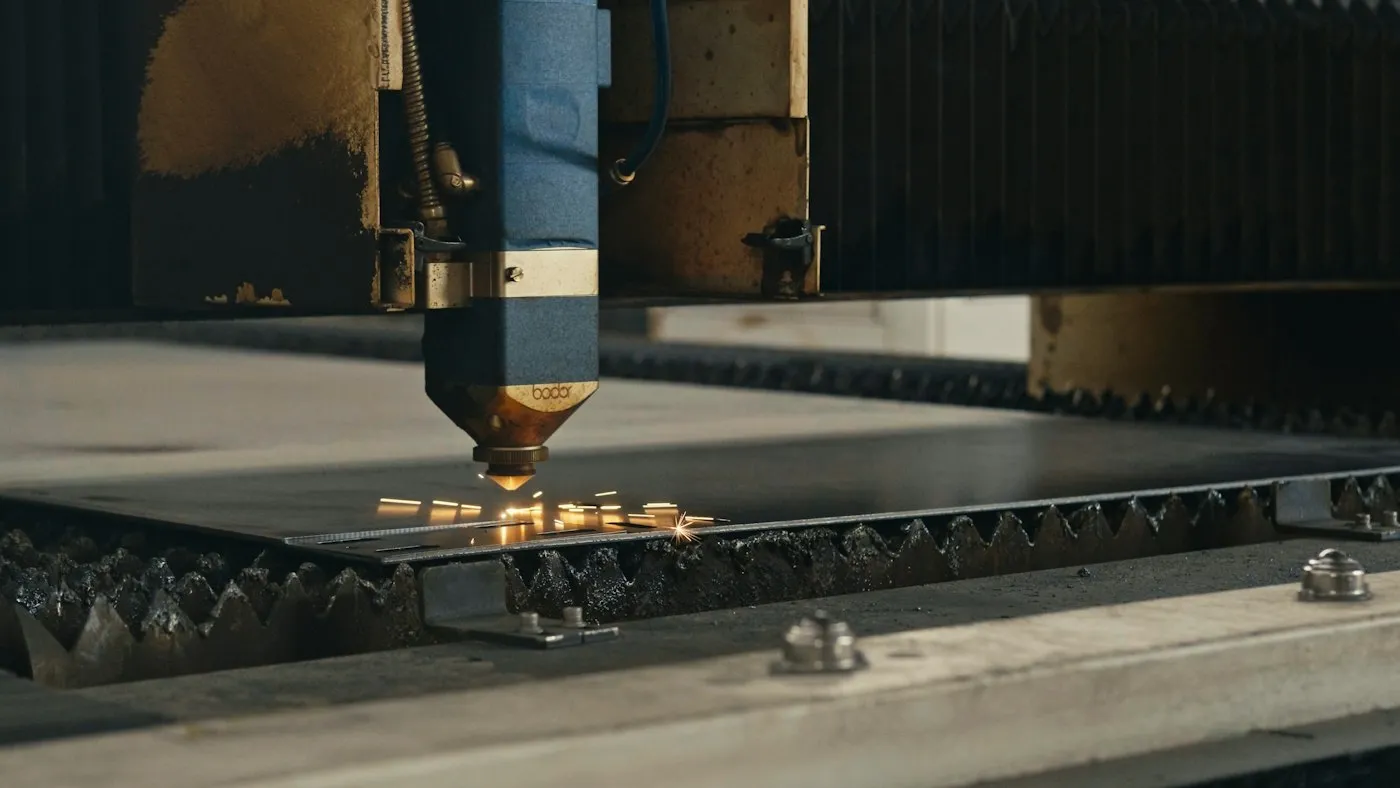
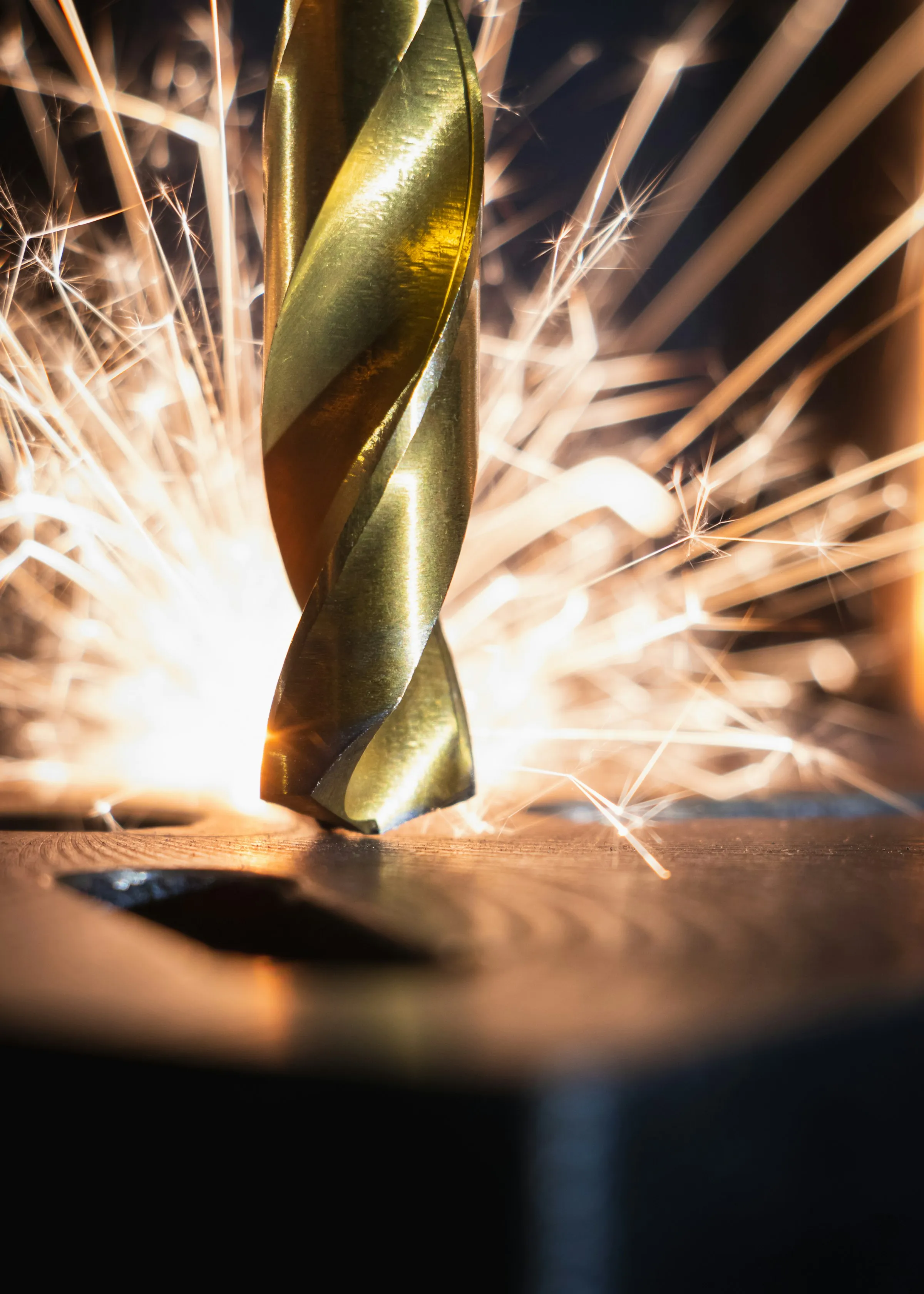
Sheet metal cutting
Flat profiles with clean, repeatable edges.
Explore sheet metal cutting
Send the drawing with your brass or copper callout
Our engineers check the alloy, temper and finish against the part, flag anything that adds cost and send one quote with the price and lead time.