Tool steel CNC machining
Dies, punches, jigs, fixtures and wear parts in tool steel, milled and turned to your drawing. Name the grade and the hardness the part needs, and we confirm the exact grade and how it's made in the quote.
- Groups
- A, D, H, M, O, S, W
- Hardness
- To your drawing
- Grade
- Confirmed in quote
- Certificate
- Mill cert included
We offer tool steel CNC machining across the AISI groups A, D, H, M, O, S and W. This page explains what each letter means and why tool steel parts are usually machined before they’re hardened. It also covers which finishes need care on hardened steel and how to write grade and hardness on the drawing so the quote matches the part.
Which tool steel groups do you machine?
We machine all seven groups by CNC milling and CNC turning. The exact grade is confirmed in your quote.
- Tool steelA series, D series, H series, M series, O series, S series, W series
Plastics and other materials on request. The exact grade is confirmed in your quote.
Tool steels are grouped by what they’re used for (cold work, hot work, high-speed cutting or shock) and by how they harden, in air, oil or water (ASM International). The letter on your drawing tells you which group the grade belongs to.
What do the tool steel letters mean?
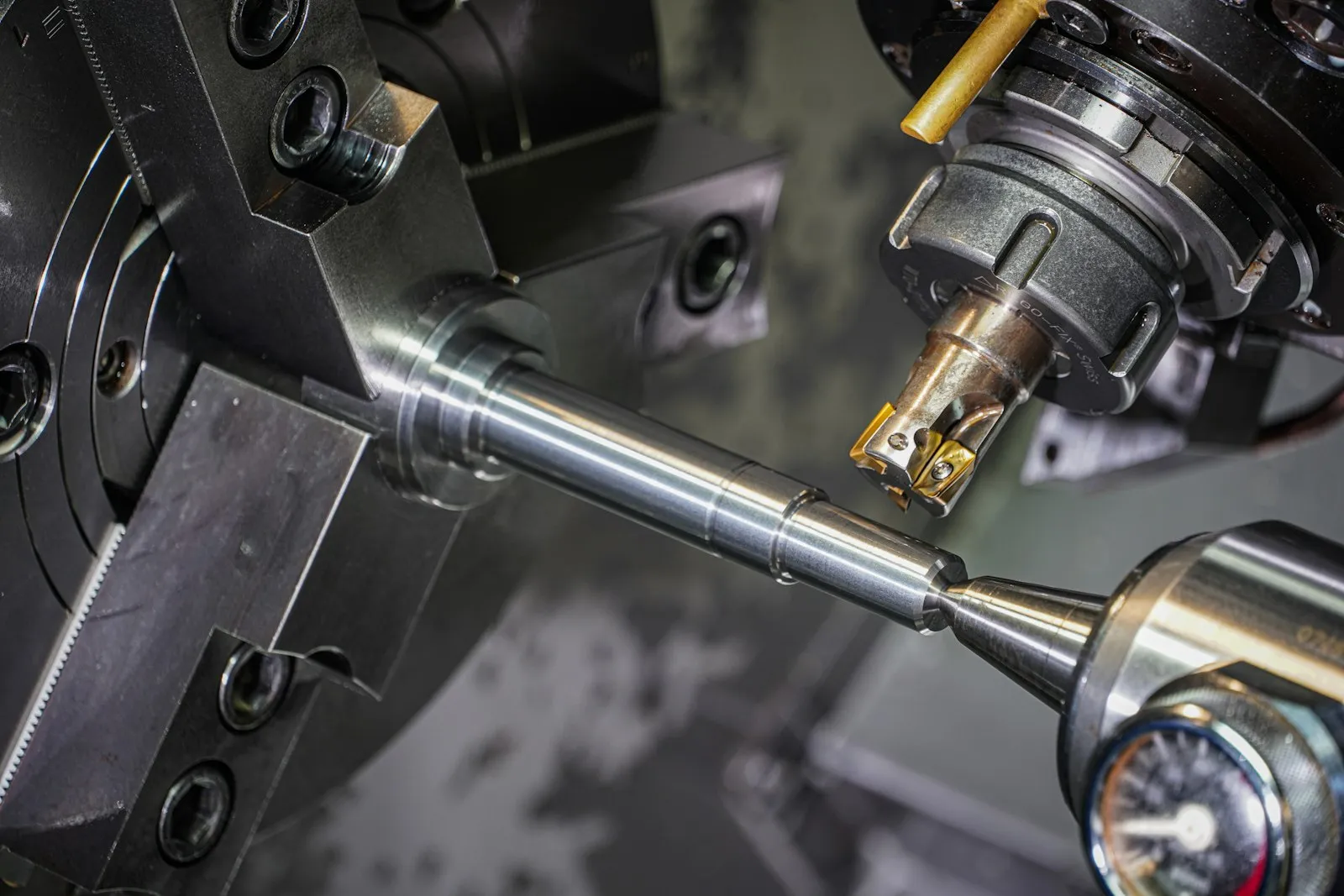
Each letter names a group by its use or its hardening method. The table pairs each group with a labelled example grade and the kind of part it’s chosen for.
| Group | Meaning | Example grade | Covered by | Best for |
|---|---|---|---|---|
| A | Air-hardening, cold work | A2 | ASTM A681 | Dies, punches and gauges |
| D | Cold work, high carbon | D2 | ASTM A681 | Wear-resistant cold-work tooling |
| H | Hot work | H13 | ASTM A681 | Tools and parts that run hot |
| M | High-speed (molybdenum type) | M2 | ASTM A600 | Cutting tools |
| O | Oil-hardening, cold work | O1 | ASTM A681 | General tooling and gauges |
| S | Shock-resisting | S7 | ASTM A681 | Parts under impact, such as punches and chisels |
| W | Water-hardening carbon tool steel | W1 | ASTM A686 | Simple, low-cost tooling |
Group names follow ASM’s categories (ASM International). ASTM A681 covers alloy tool steels made into tools, dies and fixtures, ASTM A600 covers high-speed steels, and ASTM A686 covers carbon tool steels (ASTM International). Example grades are labels, not a list of what we stock.
Why is tool steel machined before it’s hardened?
Tool steel is supplied soft, in the annealed condition, so it can be machined; high-speed steel to ASTM A600, for example, is supplied annealed (ASTM International). The part reaches its working hardness only after heat treatment, and fully hardened tool steel is far harder to cut.
A hardened tool steel part usually follows this route:
- Machine in the annealed condition
Most of the shape is cut while the steel is soft, with extra stock left on surfaces that must finish to size.
- Heat treat to the drawing hardness
The part is hardened and tempered to the hardness range on the drawing.
- Finish the critical surfaces
Surfaces that must hold size after hardening are finished, for example by grinding.
- Inspect and pack
Dimensions are checked against the drawing before the parts ship.
What that means for your part:
- Hardness on the drawing. Write the hardness range the finished part needs, such as 58 to 60 HRC (an example callout). Tell us the hardness, and the quote confirms how the part will be made and treated.
- Size after hardening. Parts can move during heat treatment. Mark the surfaces that must hold size after hardening, so they’re finished afterward.
- Already hardened stock. If you need a part cut from pre-hardened stock, say so with the drawing, and we confirm the route in the quote.
Which finishes suit hardened tool steel?
The finish depends on whether the surface is a working face. Plating hardened steel needs care, because plating can put hydrogen into the steel and make it brittle.
| Finish | Why you’d choose it on tool steel | Watch for |
|---|---|---|
| As-machined or ground | Working surfaces and dies | Bare tool steel can rust; oil it in storage |
| Bead blasting | Even matte surface | Mask working edges and ground faces |
| Zinc electroplating | Corrosion protection on soft or lightly hardened parts | Not to ASTM B633 on steels above about 46 HRC, because of hydrogen embrittlement |
| Nickel or chrome electroplating | Wear resistance or a bright finish | Ask about baking after plating on hardened parts |
| Powder coating and painting | Color on non-working surfaces | Masking needed on working faces |
ASTM B633 says steels above 1,700 MPa (247 ksi), about 46 HRC, shouldn’t be zinc plated to it (ASTM International). ASTM B850 covers baking steel after plating to reduce the risk of hydrogen embrittlement, and notes that baking reduces the risk rather than removing it.
Our full list of finishes:
- As-machined
- Bead blasting
- Anodizing Type II
- Anodizing Type III (hard anodizing)
- Powder coating
- Brushing
- Passivation
- Electroplating (nickel, chrome, zinc)
- Painting
How do you call out tool steel on a drawing?
Write the grade, the hardness range and the product standard if one applies. For example (an example callout, not a recommendation): “Tool steel D2 to ASTM A681, harden and temper to 58 to 60 HRC”. For heat treatment requirements, some drawings also cite SAE AMS2759 (SAE International).
What to put on the drawing or in your message:
- Grade, such as A2, D2 or H13. “Tool steel” alone isn’t enough to quote.
- Hardness, as an HRC range, and where on the part it’s measured.
- Surfaces that must hold size after heat treatment.
- Finish, with any plating standard and the faces to mask.
Every order comes with a mill certificate that traces the metal to its batch, along with QC inspection and ISO 9001 documentation.
- Standard QC inspection
- Material certification (mill certs)
- ISO 9001 documentation
Questions buyers ask about tool steel CNC machining
Is tool steel machined hard or soft?
Usually soft. Tool steel is supplied annealed for machining (ASTM International), then heat treated to the drawing hardness, with critical surfaces finished afterward.
Which tool steel should I choose for dies and punches?
Cold-work groups A, D and O are made for dies and punches, and the S group for parts under impact (ASM International). Tell us how the part is loaded, and our DFM notes suggest a grade.
What does the letter in A2 or H13 mean?
It names the group. A is air-hardening cold work, H is hot work, D and O are other cold-work groups, M is high-speed, S is shock-resisting and W is water-hardening (ASM International).
Can hardened tool steel be zinc plated?
Not to ASTM B633 if it’s harder than about 46 HRC, because of the risk of hydrogen embrittlement (ASTM International). Choose another finish, or ask about the options in your quote.
Do you heat treat tool steel?
Tell us the hardness the drawing needs, and the quote confirms how the part will be made and treated.
Will I get a material certificate?
Yes. A mill certificate comes with every order, so the grade traces back to the batch the metal came from.
For parts that don’t need hardness, compare mild steel CNC machining, see stainless steel CNC machining for corrosion resistance, read what CNC machining is or see all the metals we machine.
Sources
- ASM International, Tool Steels: Standard Designations and Compositions (ASM Alloy Center), https://www.asminternational.org/tool-steels-standard-designations-and-compositions-asm-alloy-center/, accessed 2026-10-20.
- ASTM International, A681, A600, A686, B633 and B850 (named; homepage linked), https://www.astm.org/, accessed 2026-10-20.
- SAE International, AMS2759 Heat Treatment of Steel Parts (named; homepage linked), https://www.sae.org/, accessed 2026-10-20.
Capabilities
How we make metal parts
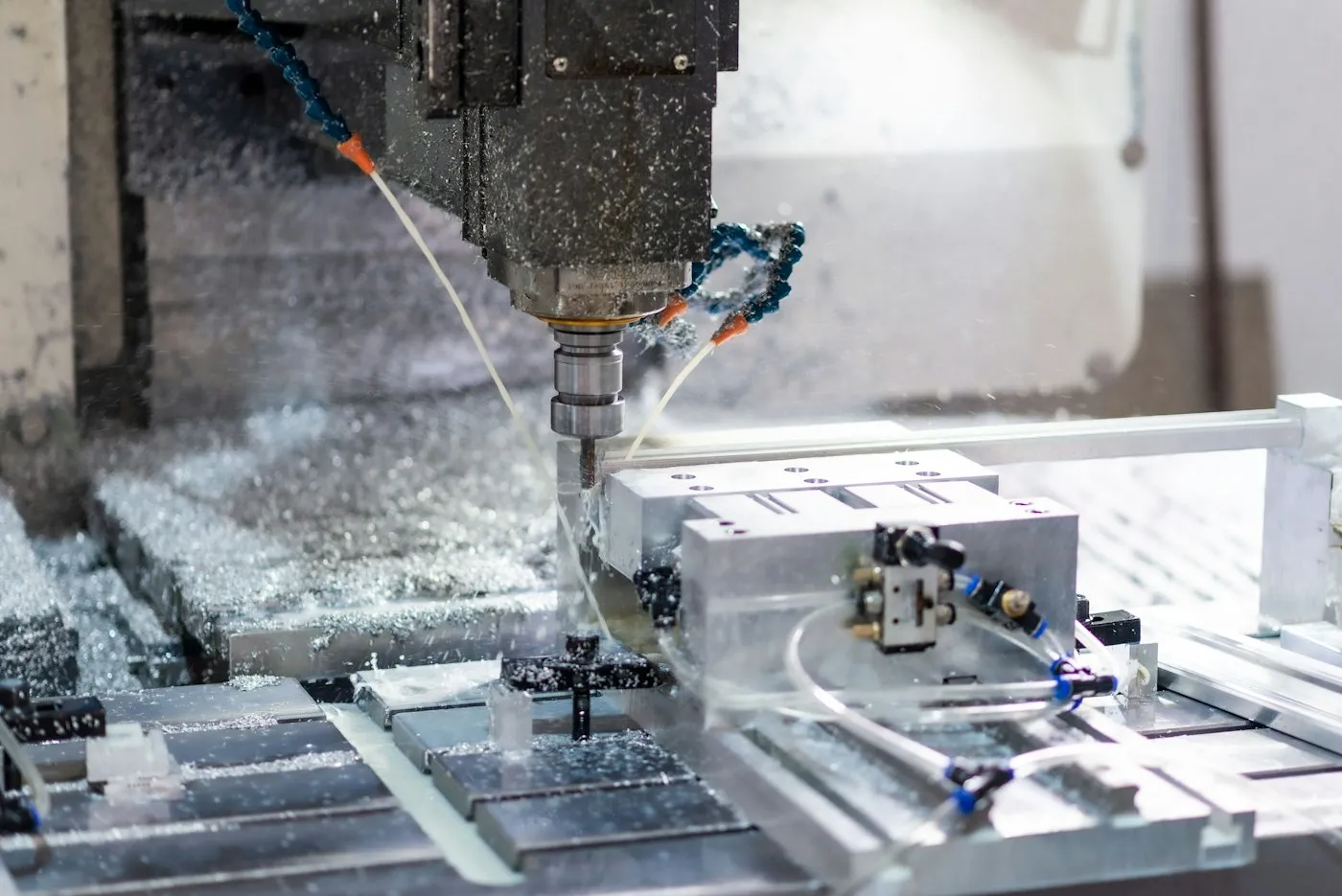
CNC machining
Prismatic metal parts made from your STEP file and drawing.
Explore CNC machining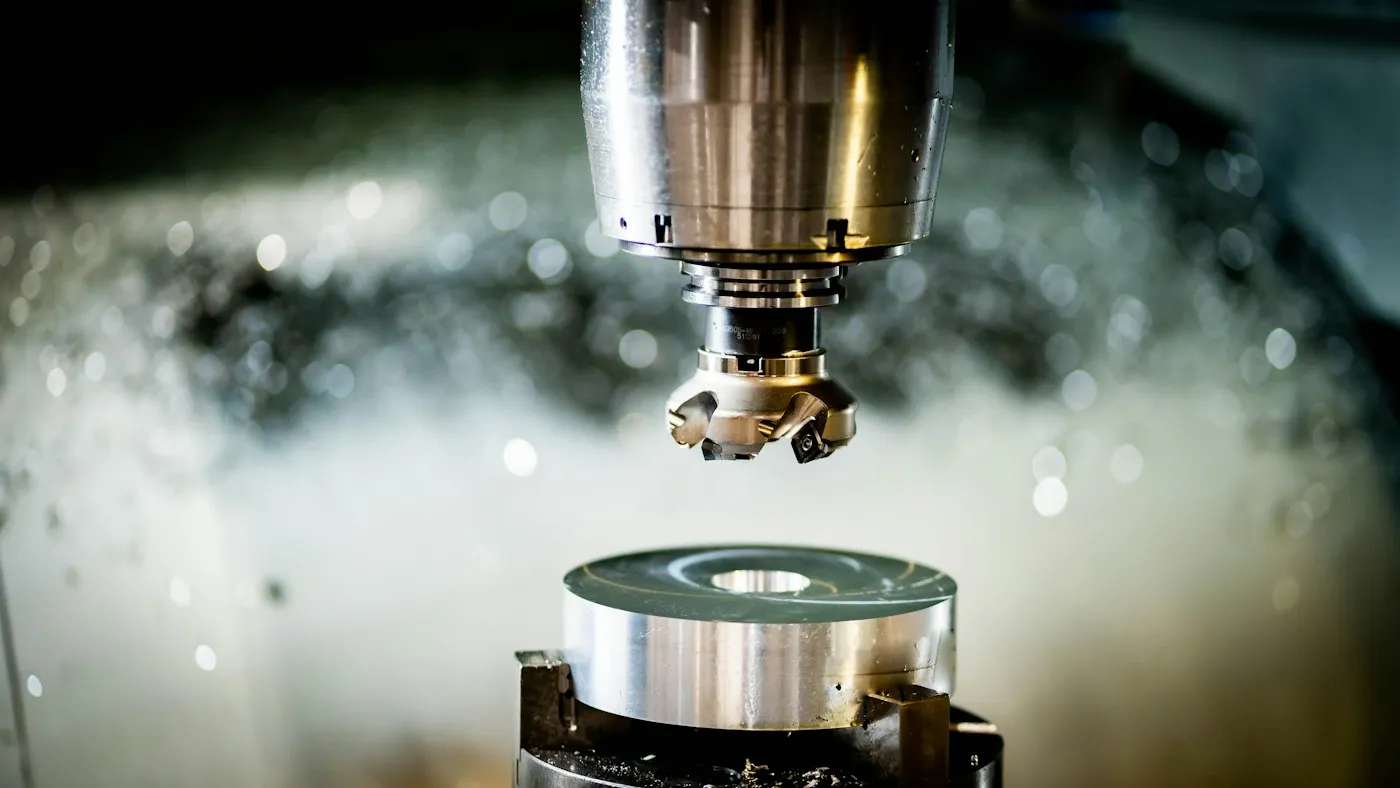
CNC milling
Pockets, faces, slots and threaded features on VMC.
Explore CNC milling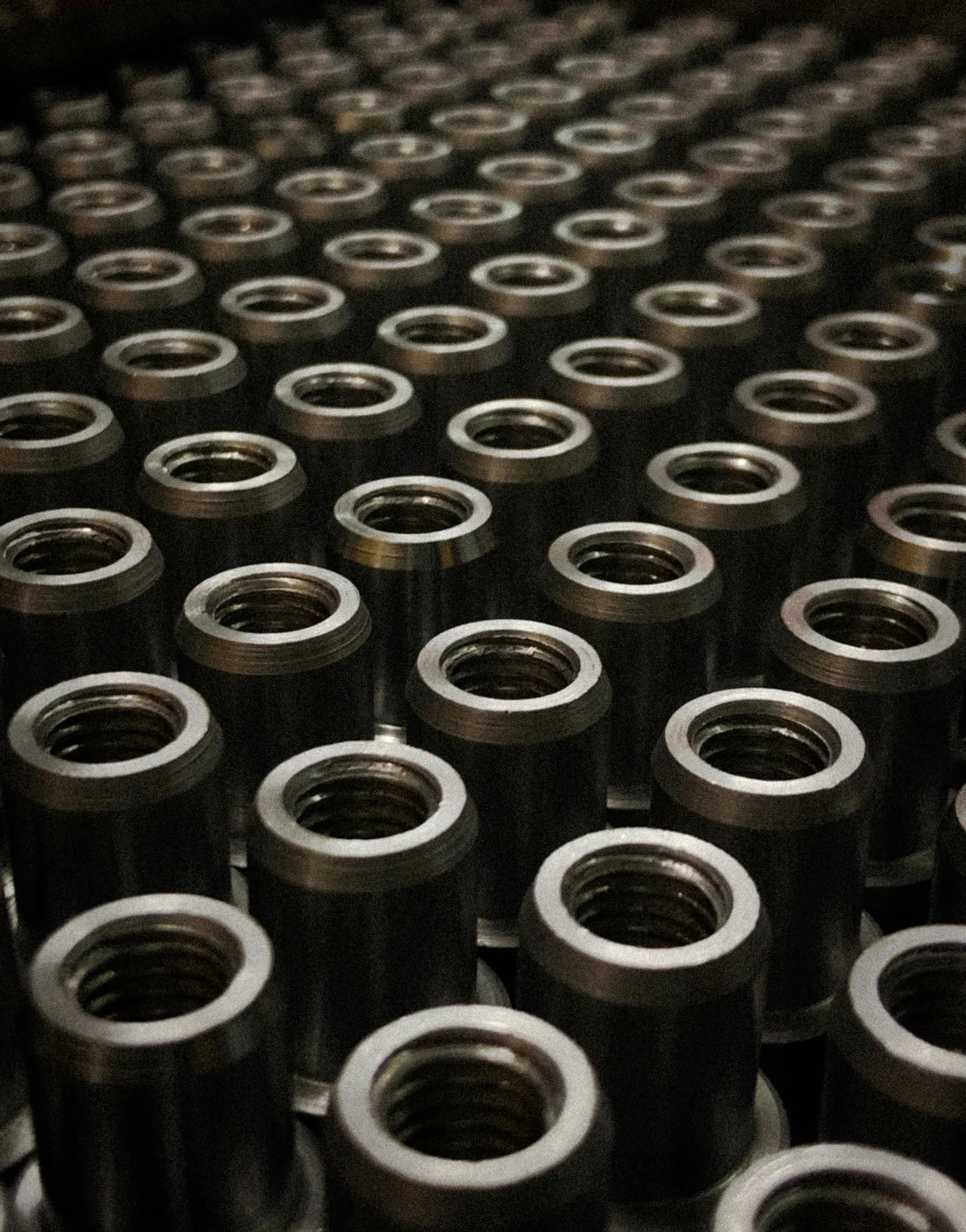
CNC turning
Shafts, pins, bushings and round fittings turned on CNC lathes.
Explore CNC turning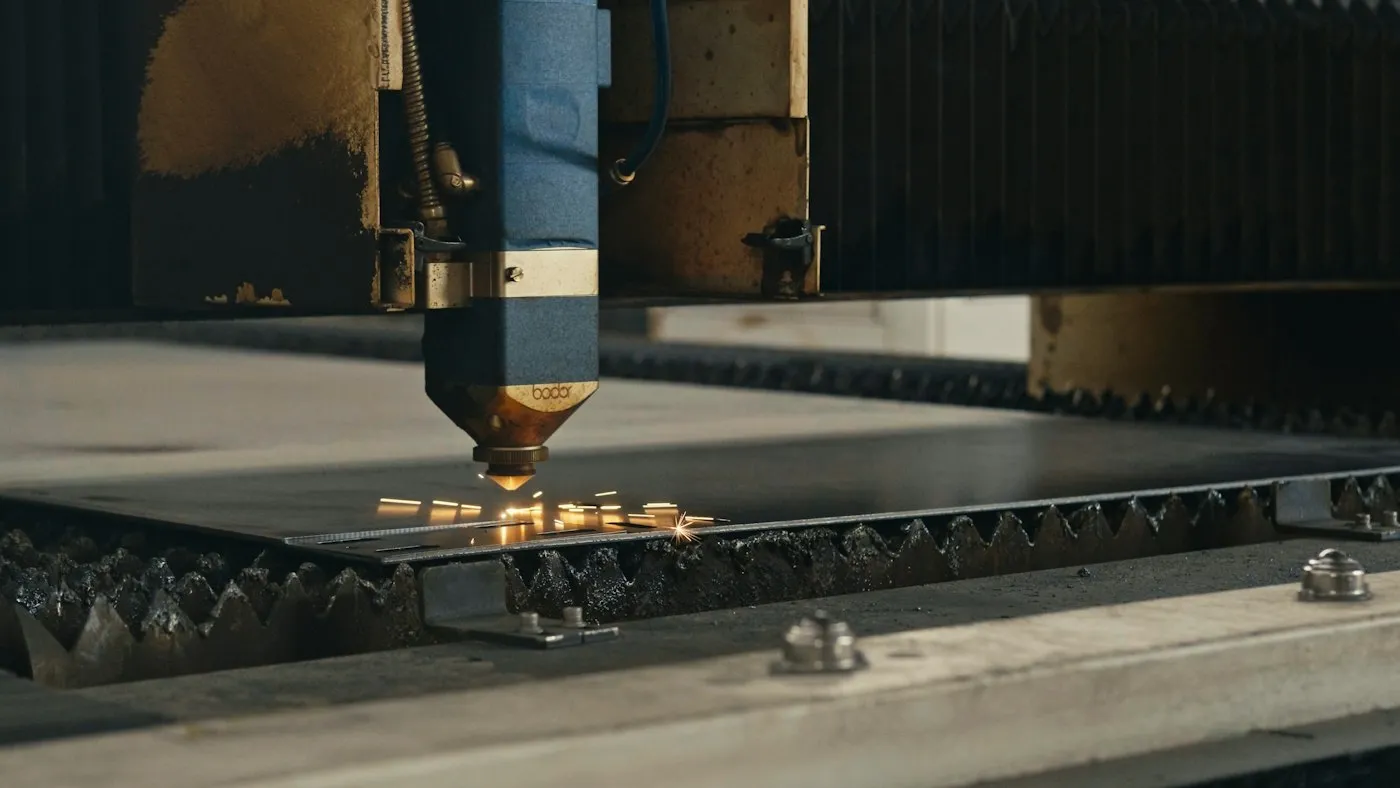
Sheet metal cutting
Flat profiles with clean, repeatable edges.
Explore sheet metal cutting
Send the drawing with your tool steel callout
Our engineers check the grade, hardness and finish against the part, flag anything that adds cost and send one quote with the price and lead time.