Aluminum CNC machining
Housings, plates, brackets and turned parts in aluminum, milled and turned to your drawing. Pick the series and temper, choose the finish, and we confirm the exact grade in the quote.
- Series
- 1xxx to 8xxx
- Anodizing
- Type II and Type III
- Grade
- Confirmed in quote
- Certificate
- Mill cert included
We offer aluminum CNC machining in all eight wrought series, from commercially pure 1xxx to the high-strength 7xxx alloys. This page helps you pick the series, read the temper code, choose a finish that suits the alloy and write the callout so the quote matches the part. Aluminum is light, with a density of about 2.7 g/cm³ (ASM International), which makes it a natural choice for housings, plates and brackets where weight matters.
Which aluminum series do you machine?
We machine every Aluminum Association wrought series by CNC milling and CNC turning. Aluminum sheet parts are cut and bent through our sheet metal services. The exact grade is confirmed in your quote.
- Aluminum1xxx, 2xxx, 3xxx, 4xxx, 5xxx, 6xxx, 7xxx, 8xxx
Plastics and other materials on request. The exact grade is confirmed in your quote.
The four-digit system was adopted in 1954 and is kept by the Aluminum Association as ANSI H35.1. The first digit names the main alloying element, so the series alone tells you a lot about how the part will behave.
How do the aluminum series compare?
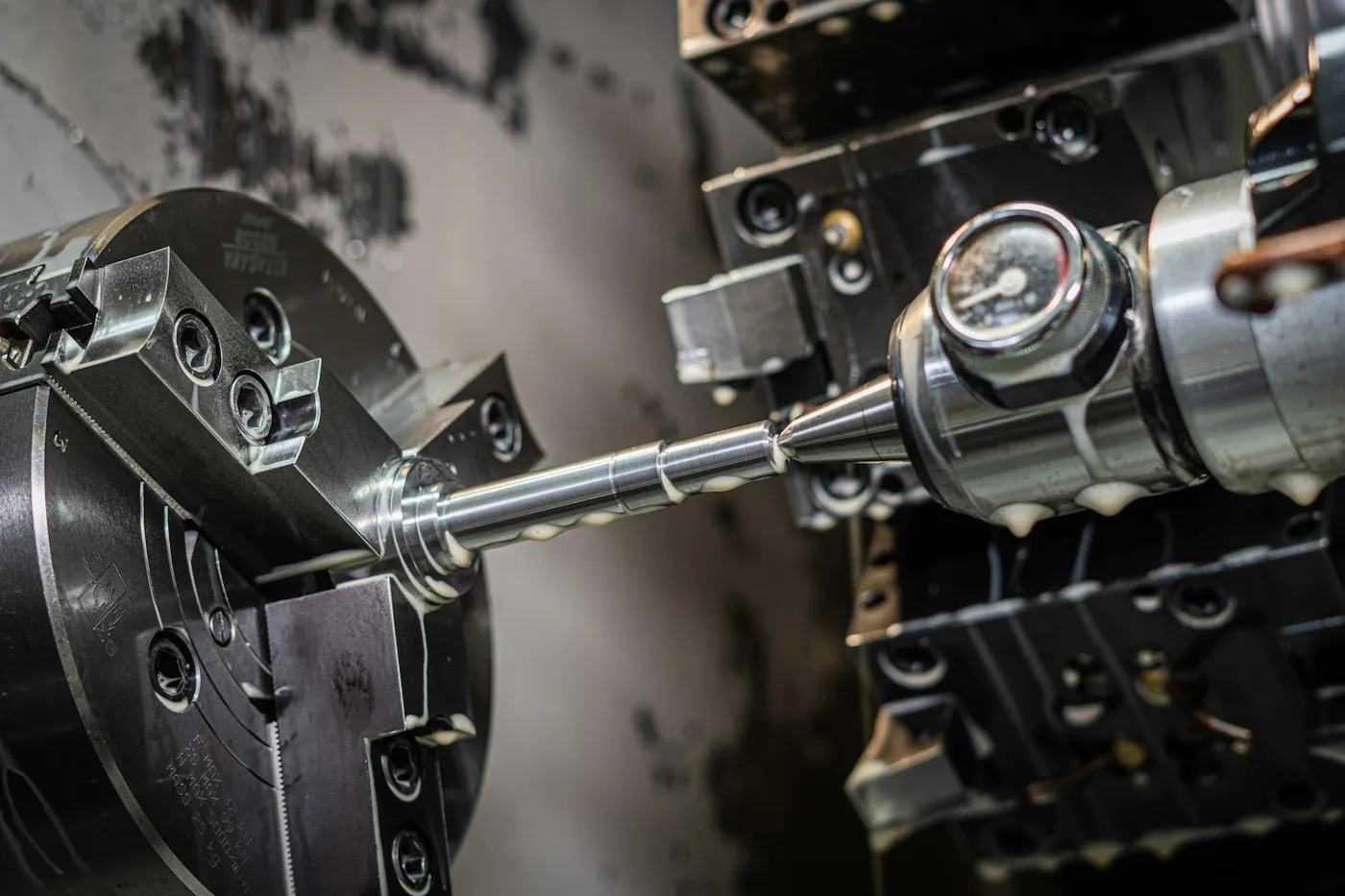
The series differ mainly in whether they can be heat treated for strength and how well they anodize. The 2xxx and 7xxx series reach the highest strengths, 6xxx extrudes and machines easily, and 5xxx welds well (ASM International). Anodizing response comes from the Aluminum Anodizers Council.
| Series | Main alloying element | Heat treatable | Anodizing response | Example grade | Best for |
|---|---|---|---|---|---|
| 1xxx | None (99% aluminum or more) | No | Confirm in quote | 1100 | Parts where purity matters more than strength |
| 2xxx | Copper | Yes | Harder to anodize as copper rises; softer coating | 2024 | High-strength parts that will be painted or left bare |
| 3xxx | Manganese | No | Clear silver, grayish or brownish | 3003 | Low-stress parts and covers |
| 4xxx | Silicon | Some alloys | Generally not anodized | 4032 | Only where the drawing calls for it |
| 5xxx | Magnesium | No | Varies by alloy; 5052 turns yellowish in thick coats | 5052 | Welded parts and plate |
| 6xxx | Magnesium and silicon | Yes | Excellent | 6061 | General machined parts, especially when anodized |
| 7xxx | Zinc | Yes | Gray, blue-gray or brown-black, can look mottled | 7075 | Parts where strength-to-weight matters most |
| 8xxx | Other elements, including lithium | Varies | Confirm in quote | None given | Only where the drawing calls for it |
Example grades are labels, not a list of what we stock. Any wrought grade on your drawing is confirmed in the quote. We don’t print strength or hardness figures here; the mill certificate that ships with your parts gives the values for the batch you receive.
What do temper codes like T6 and H32 mean?
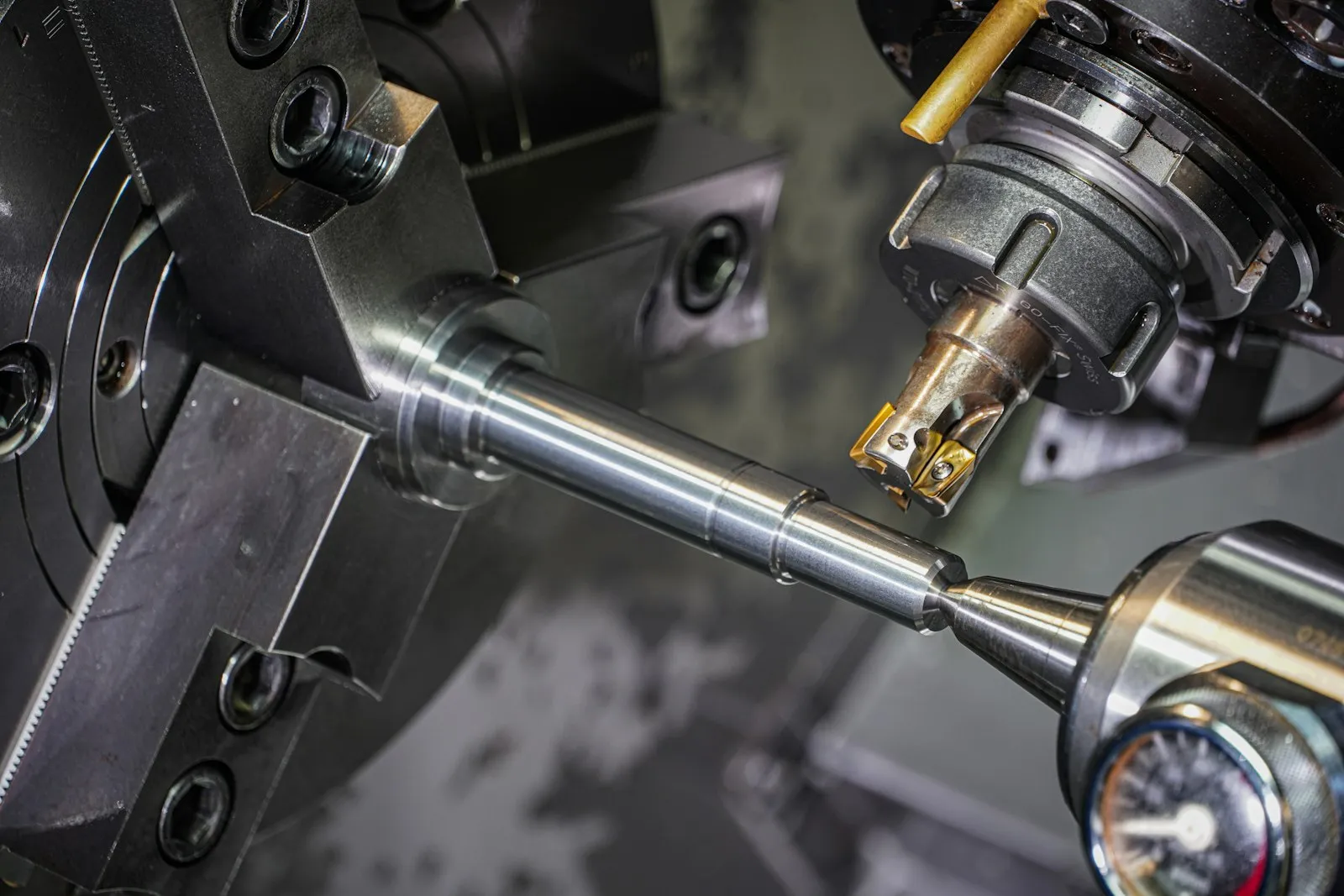
The temper is the letter and digits after the alloy number, such as the T6 in 6061-T6. It says how the metal was processed, and each temper designation stands for a defined processing route with its own minimum properties (Aluminum Association). Two parts in the same alloy but a different temper can behave very differently.
| Temper | What it means | Seen on |
|---|---|---|
| F | As fabricated, no property limits | Rough stock |
| O | Annealed, the softest condition | Parts that will be formed |
| H (for example H32) | Strain hardened by cold work; H3x is also stabilized | Non-heat-treatable series, such as 5052-H32 |
| T3 | Solution heat treated, cold worked, then naturally aged | 2xxx parts, such as 2024-T3 |
| T6 | Solution heat treated, then artificially aged | 6xxx and 7xxx parts, such as 6061-T6 |
Extra digits after the temper, as in T651 or T351, add further defined processing steps. Write the full temper exactly as your design needs it. If you’d accept another temper, say so on the drawing or in your message, and we’ll confirm the option in the quote.
How does aluminum machine?
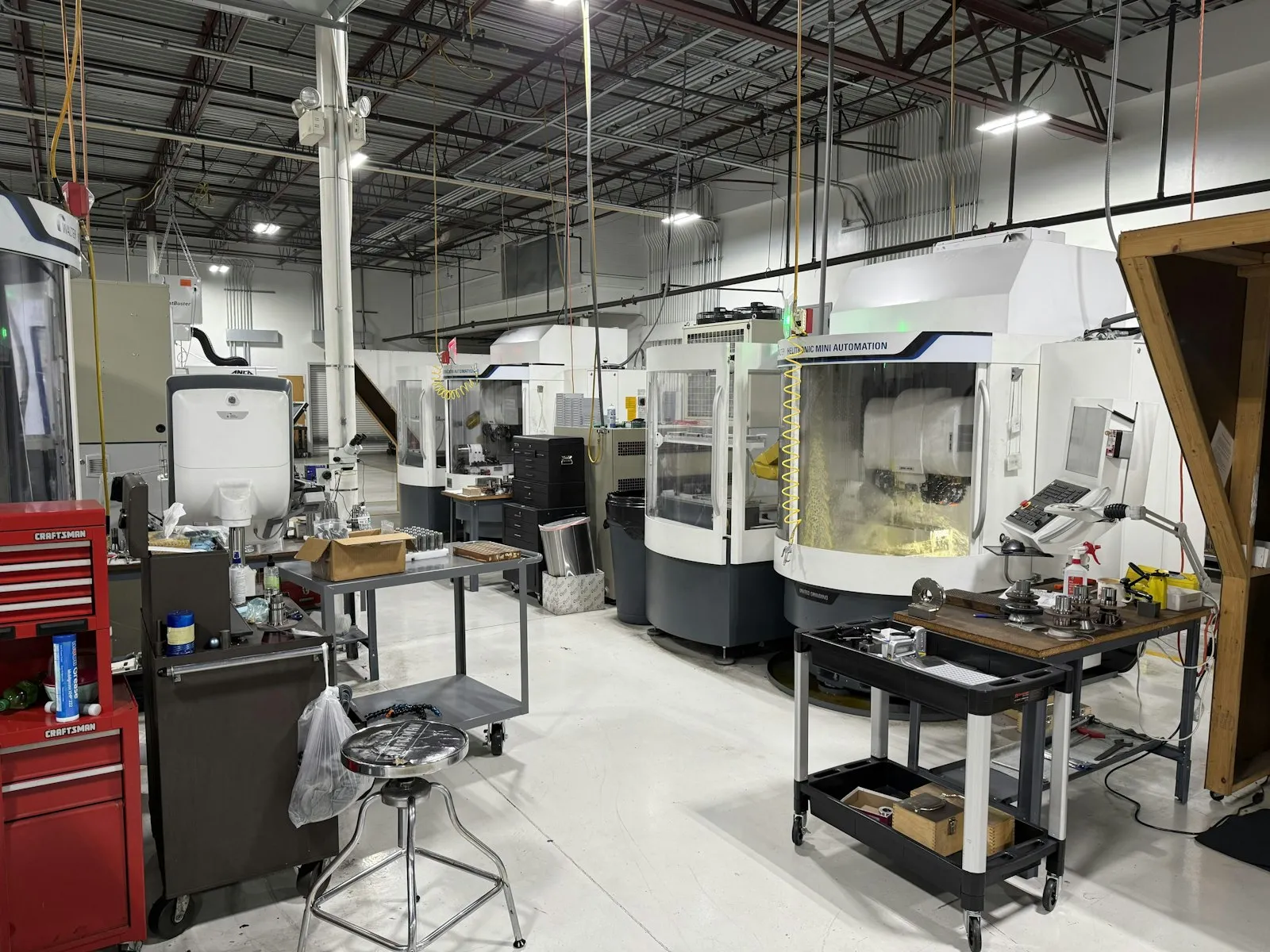
Aluminum is cut fast: cutting speeds up to 305 m/min (1,000 ft/min) are common (ASM International). A few traits still shape how a part is made, and some of them affect your drawing.
- Built-up edge. Softer, gummier alloys and tempers, such as annealed (O) material, tend to stick to the cutting edge. Harder tempers usually leave a cleaner surface.
- Chips. Aluminum makes long, stringy chips. Deep pockets and small internal radii need room for chips to clear.
- Thin walls. Thin walls and plates can move as stress in the stock is released during cutting. Generous wall thickness and balanced pockets help the part hold its shape.
- Temper sets the finish. The temper on the drawing affects both how the alloy cuts and how the finished part looks after anodizing.
If your part has thin walls, tight flatness or deep pockets, mention it with the drawing. Our engineers note anything that adds cost or risk in the DFM notes before the part is cut.
Which finishes suit aluminum?
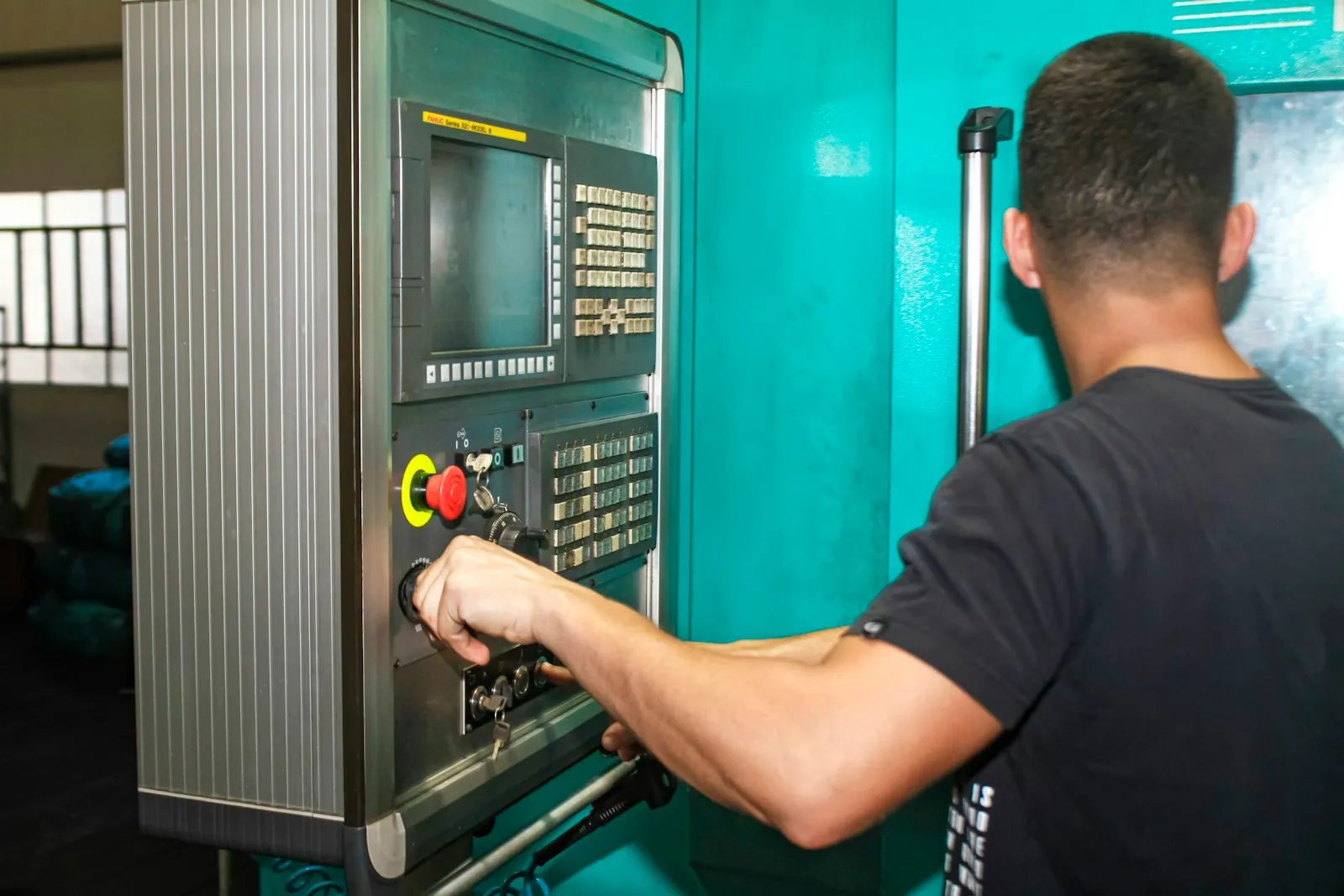
Anodizing is the finish most often chosen for aluminum. We offer Type II and Type III (hard anodizing), the types defined in MIL-PRF-8625 (Aluminum Anodizers Council). How the part looks after anodizing depends on the series, as the table above shows.
| Finish | Why you’d choose it on aluminum | Watch for |
|---|---|---|
| Anodizing Type II | Corrosion protection and color | 7xxx can look mottled; 2xxx gives a softer coating |
| Anodizing Type III (hard anodizing) | Wear resistance on working surfaces | Mark fits and threads that must stay at size |
| Bead blasting | Even matte look, often before anodizing | Changes appearance more than performance |
| Brushing | Linear grain on visible faces | Show the grain direction on the drawing |
| Powder coating and painting | Color, including on series that anodize poorly | Masking needed on threads and fits |
| As-machined | Lowest cost where looks don’t matter | Tool marks stay visible |
Our full list of finishes:
- As-machined
- Bead blasting
- Anodizing Type II
- Anodizing Type III (hard anodizing)
- Powder coating
- Brushing
- Passivation
- Electroplating (nickel, chrome, zinc)
- Painting
Passivation is a treatment for stainless steel, not aluminum. For corrosion-critical parts in water or chemicals, compare aluminum with stainless steel for CNC machining.
How do you call out aluminum on a drawing?
Write the alloy and temper together in the title block, then the product standard if one applies. For example (an example callout, not a recommendation): “Aluminum 6061-T6, bar to ASTM B211”. Other common ASTM product standards are B221 for extrusions and B209 for sheet and plate (ASTM International).
What to put on the drawing or in your message:
- Alloy and temper, written as one designation, such as 6061-T6 or 5052-H32.
- Product standard, if your customer or industry requires one.
- Finish, with the anodizing type, color and any surfaces to mask.
- Equivalents, if you’d accept another grade or temper.
Every order comes with a mill certificate that traces the metal to its batch, along with QC inspection and ISO 9001 documentation. A CMM report and DFM analysis are available on request.
- Standard QC inspection
- Material certification (mill certs)
- ISO 9001 documentation
Questions buyers ask about aluminum CNC machining
Is 6061 or 7075 better for a machined part?
It depends on the job. The 7xxx series, which includes 7075, reaches higher strength, while 6xxx alloys such as 6061 machine easily and anodize better (ASM International; Aluminum Anodizers Council). Choose 7075 when strength-to-weight drives the design, and 6061 for most other parts.
What is the difference between 6061-T6 and 6061-T651?
Both are 6061 solution heat treated and artificially aged. The extra digits in T651 mark a further defined processing step. Write the exact temper your design needs; the temper on the drawing is the one we quote.
When should I choose 5052 over 6061?
Choose 5052 for welded parts and plate that doesn’t need heat treatment, since the 5xxx series welds well. It can’t be heat treated for strength, so 6061 is the usual choice for stronger machined parts.
Which aluminum anodizes best?
The 6xxx series gives an excellent anodizing response, and 6061 is a common choice for hard-anodized parts. The 4xxx series is generally not anodized, and 7xxx can look mottled (Aluminum Anodizers Council).
Can you machine aluminum parts that will also be bent from sheet?
Yes. We cut and bend aluminum sheet and machine aluminum parts, and both can go on the same order. See the CNC machining services and sheet metal pages for each process.
Will I get a material certificate?
Yes. A mill certificate comes with every order, so the alloy and temper trace back to the batch the metal came from.
Is there a minimum order quantity?
No. There’s no minimum order quantity, so one prototype and a production batch are quoted the same way.
New to the process? Read what CNC machining is and how a part is made, or compare aluminum with the other metals we machine.
Sources
- Aluminum Association, Industry Standards (alloy and temper designation system, ANSI H35.1), https://www.aluminum.org/industry-standards, accessed 2026-10-20.
- ASM International, Aluminum and Aluminum Alloys Subject Guide, https://www.asminternational.org/aluminum-and-aluminum-alloys-subject-guide/, accessed 2026-10-20.
- Aluminum Anodizers Council, Alloy and Temper, https://www.anodizing.org/alloy-temper, accessed 2026-10-20.
- Aluminum Anodizers Council, Anodizing Reference Guide (MIL-PRF-8625 types), https://www.anodizing.org/anodizing-reference-guide/, accessed 2026-10-20.
- ASTM International, product standards B209, B211 and B221 (named; homepage linked), https://www.astm.org/, accessed 2026-10-20.
Capabilities
How we make metal parts
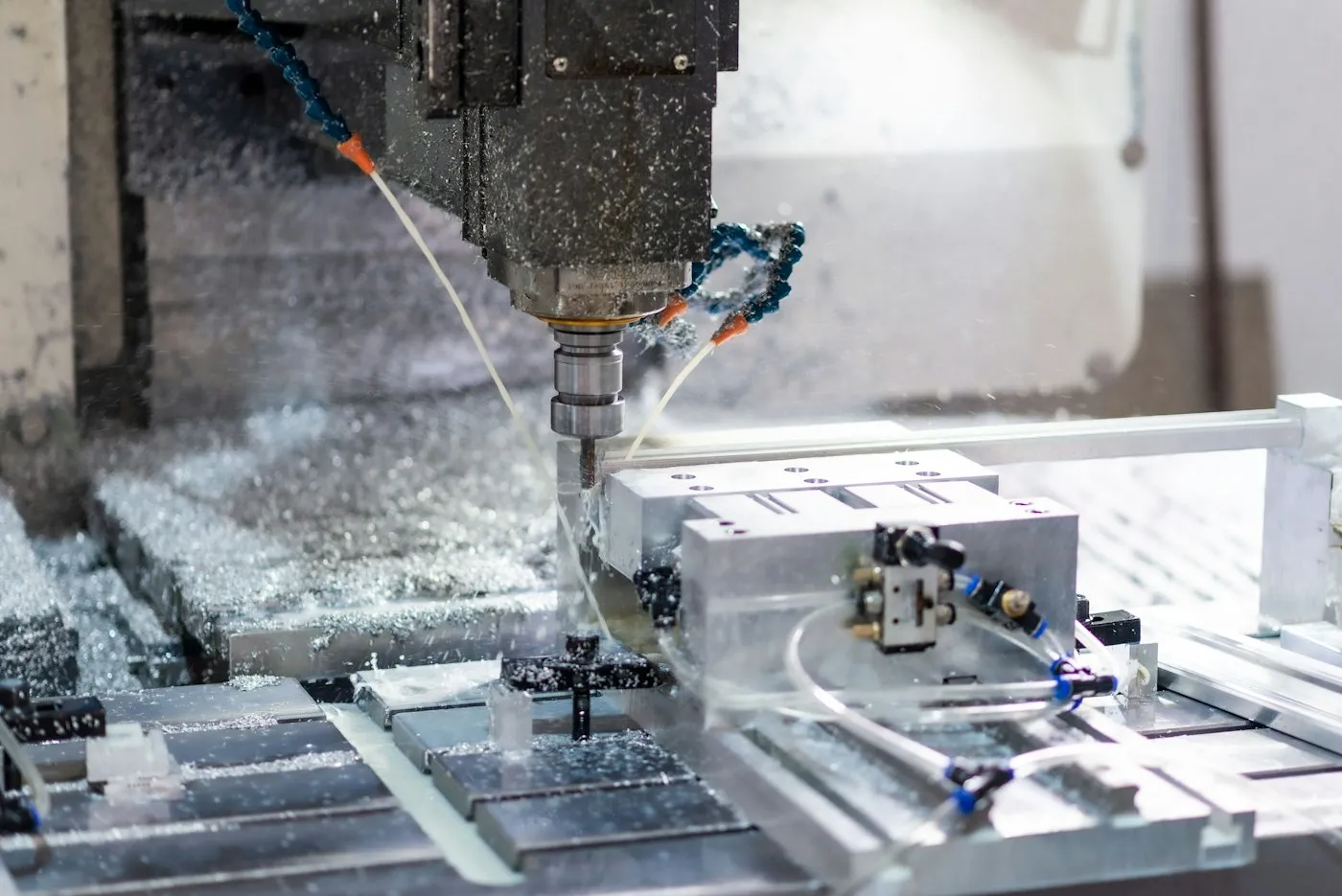
CNC machining
Prismatic metal parts made from your STEP file and drawing.
Explore CNC machining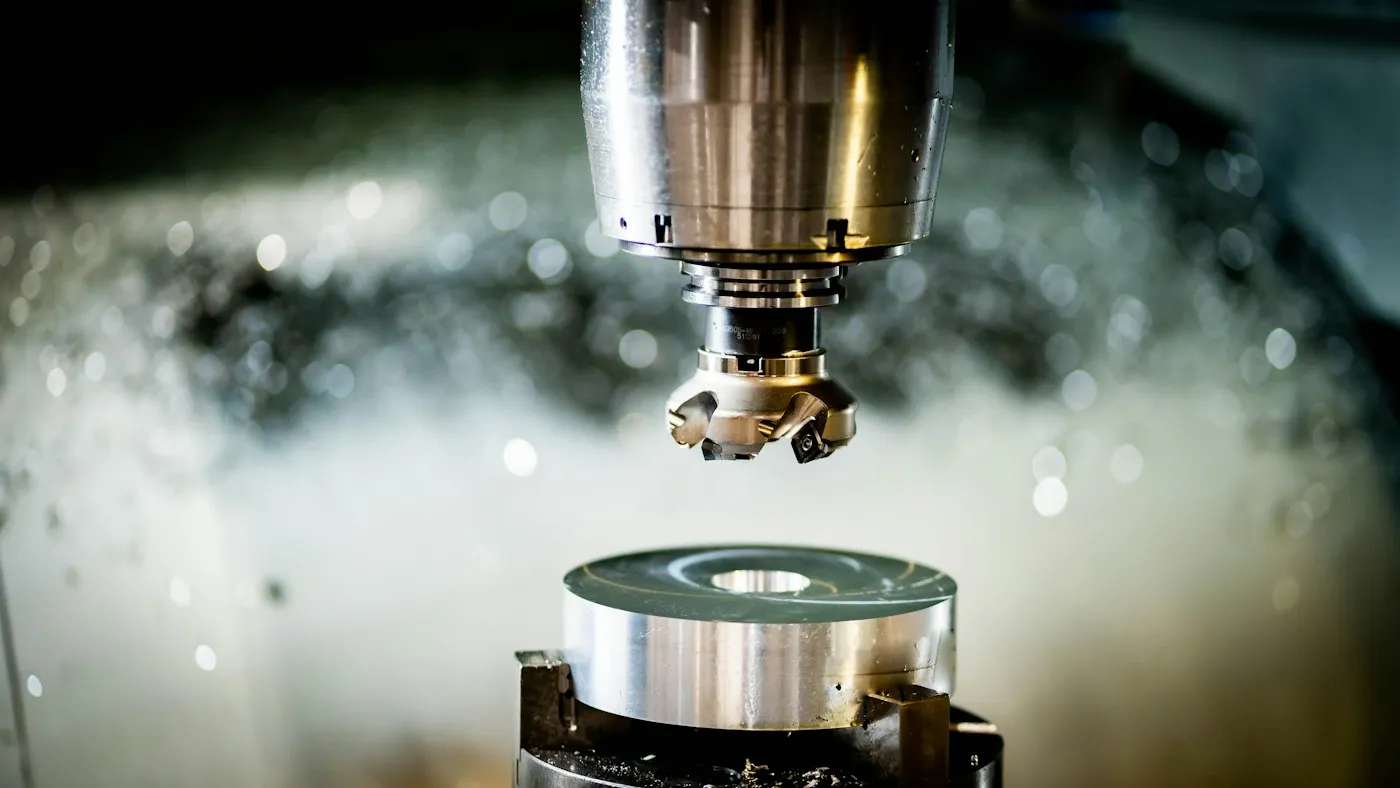
CNC milling
Pockets, faces, slots and threaded features on VMC.
Explore CNC milling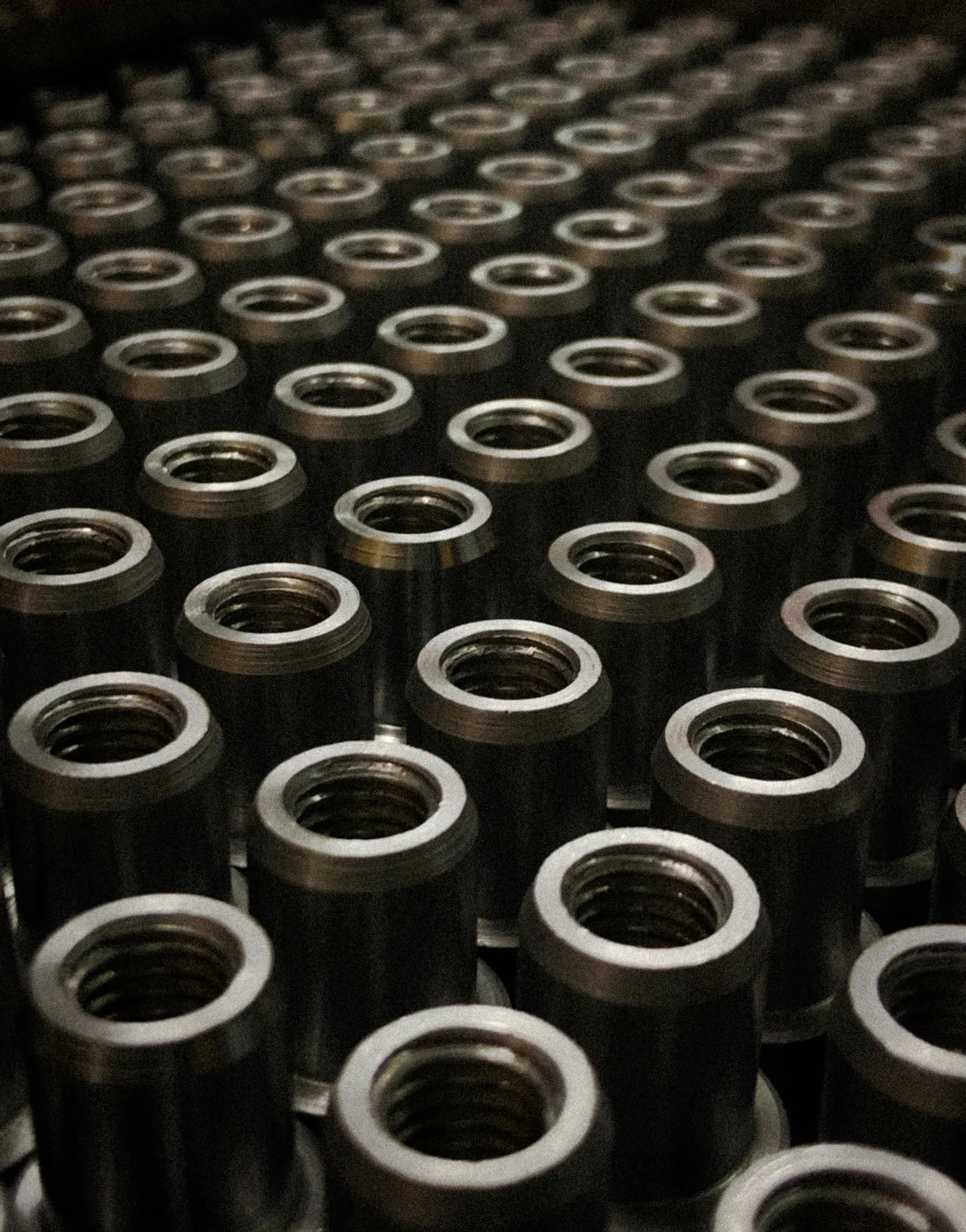
CNC turning
Shafts, pins, bushings and round fittings turned on CNC lathes.
Explore CNC turning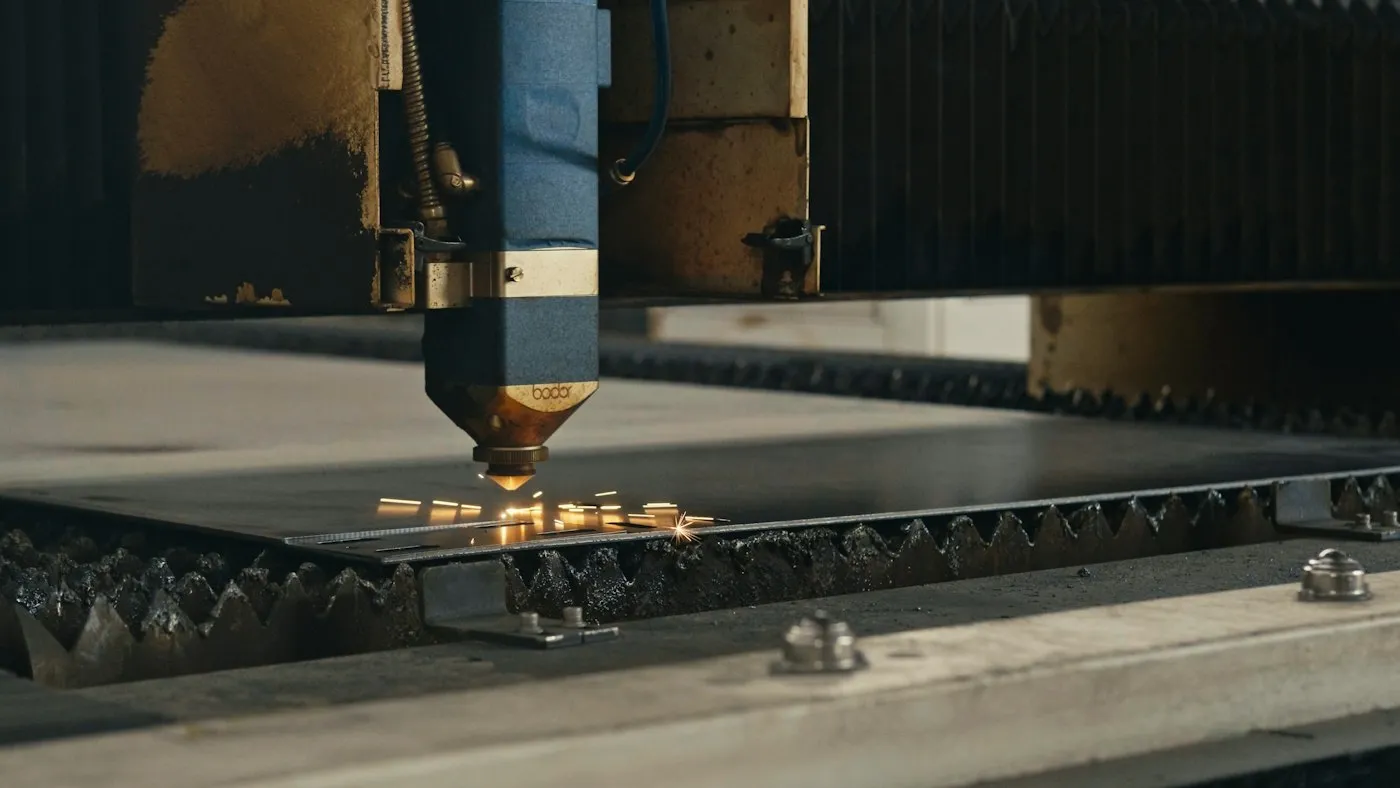
Sheet metal cutting
Flat profiles with clean, repeatable edges.
Explore sheet metal cutting
Send the drawing with your aluminum callout
Our engineers check the alloy, temper and finish against the part, flag anything that adds cost and send one quote with the price and lead time.