CNC milling services for custom metal parts
Housings, brackets, plates and manifolds milled from solid metal to your drawing, inspected against it, and documented. Photos and QC reports reach you before the parts do.
See how we work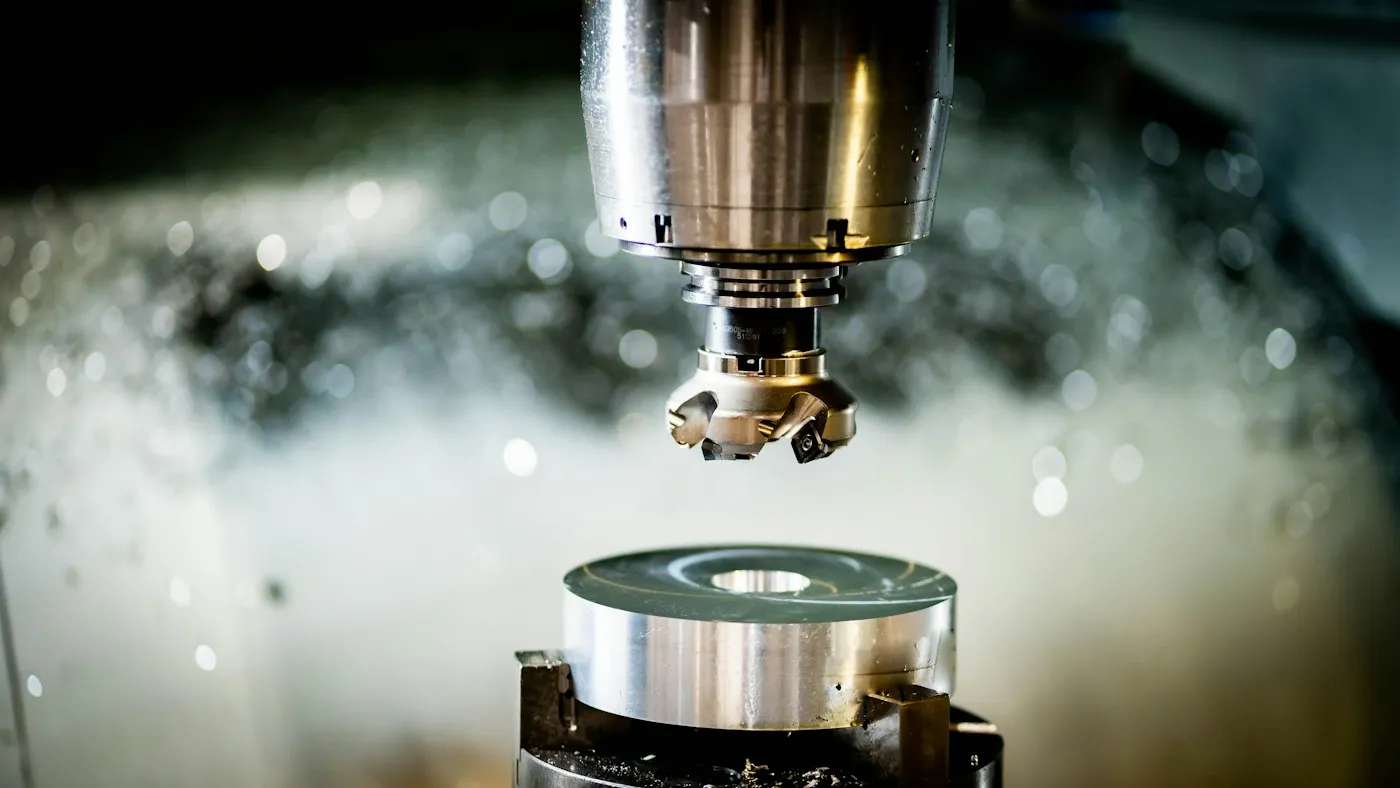
- Capability
- Up to 5-axis
- Tolerance
- Down to ±0.005 mm, on request
- Confidentiality
- NDA as standard
- Replies
- Within 6 hours
What is CNC milling?
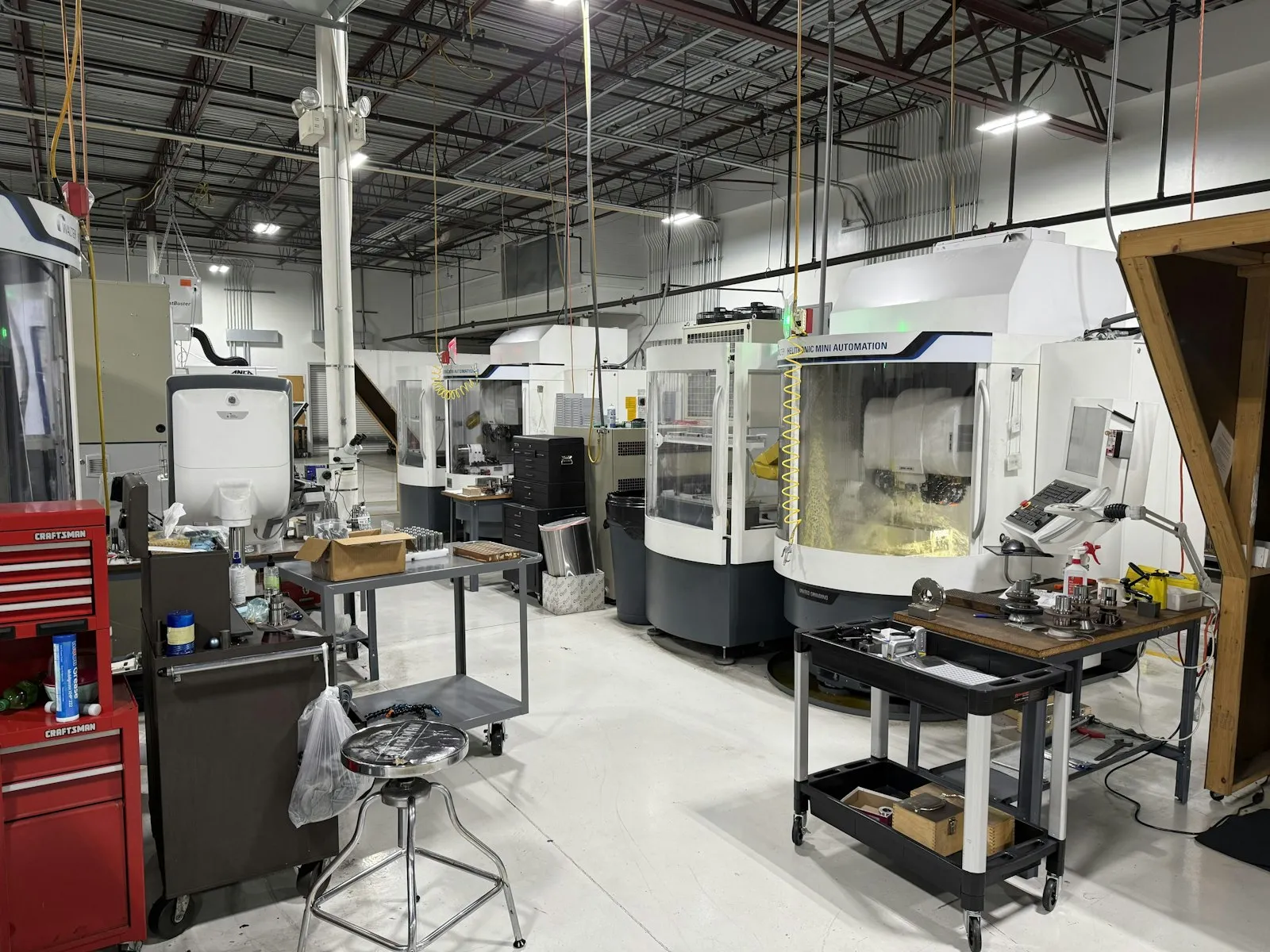
CNC milling is a subtractive process: a spinning cutter removes material from a fixed workpiece while the machine moves it in X, Y and Z under computer control. It suits parts with flat faces, pockets and features on several sides.
Milling produces these features well:
- Faces and shoulders: flat reference surfaces and steps.
- Pockets and slots: open or closed cavities, keyways and T-slots.
- Holes and bores: drilled, reamed or bored, including located bore patterns.
- Threads: tapped or thread-milled holes.
- Contours: profiles, chamfers and 3D surfaces.
If your part is mostly round, such as a shaft, pin or bushing, it usually belongs on a lathe instead. Our CNC turning page covers those parts, and many parts use both processes. For the full picture of how a drawing becomes a part, see our guide to how CNC machining works.
Applications
Milled parts we make
Parts with flat faces, pockets and features on several sides, in metal, plastic and other materials, from one part to production batches.
Housings and enclosures
Pocketed bodies with bores, threads and sealing faces.
Brackets and mounts
Mounting brackets, sensor mounts and support arms.
Mounting and adapter plates
Flat plates with located hole patterns and counterbores.
Manifolds
Blocks with drilled cross-holes and ported faces.
Fixtures and jigs
Locating fixtures and jigs for your own production line.
Adapter blocks
Blocks that connect two components, machined on several faces.
Industries we supply
View all industries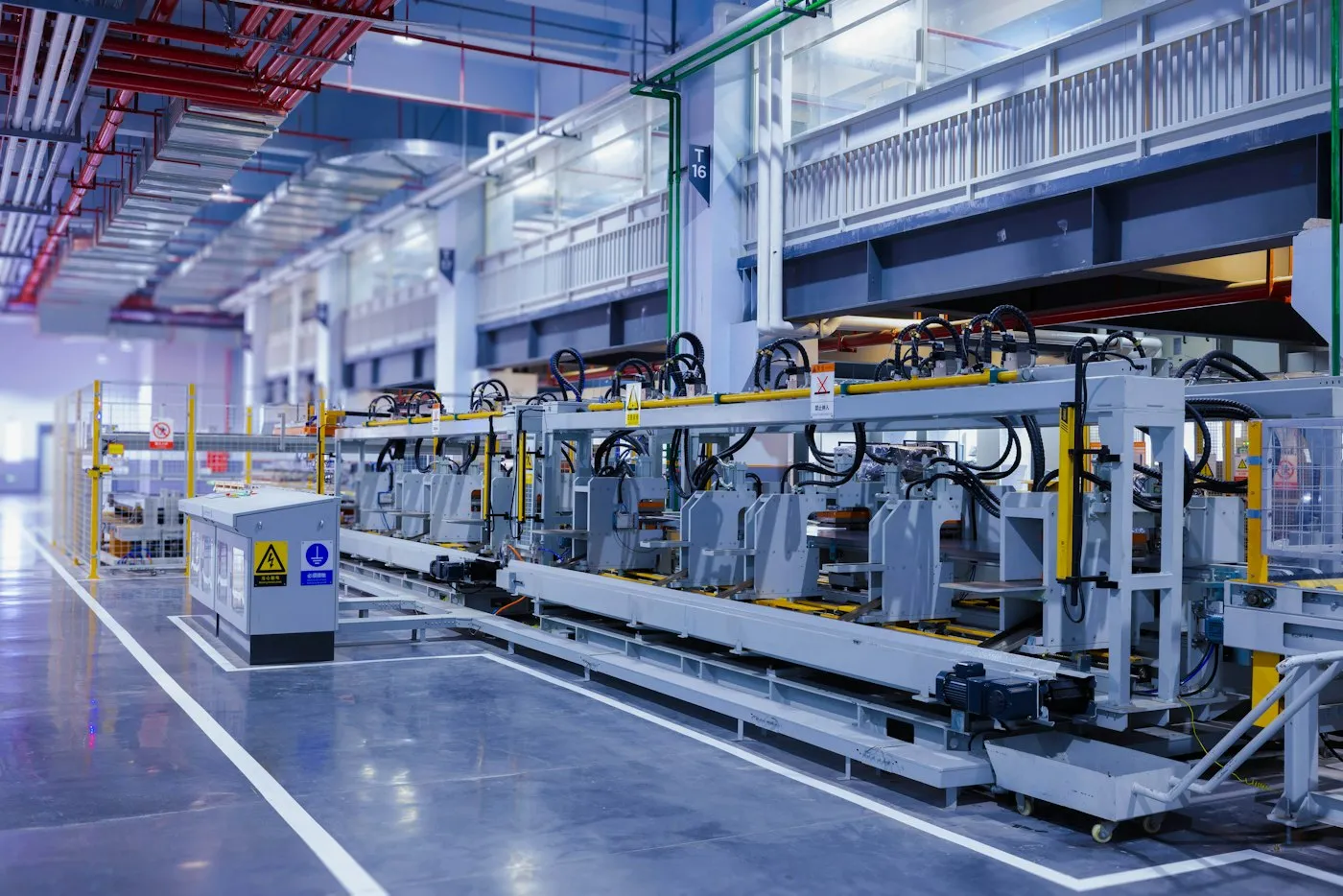
Industrial machinery
Frames, housings, shafts, plates and brackets for machine builders.
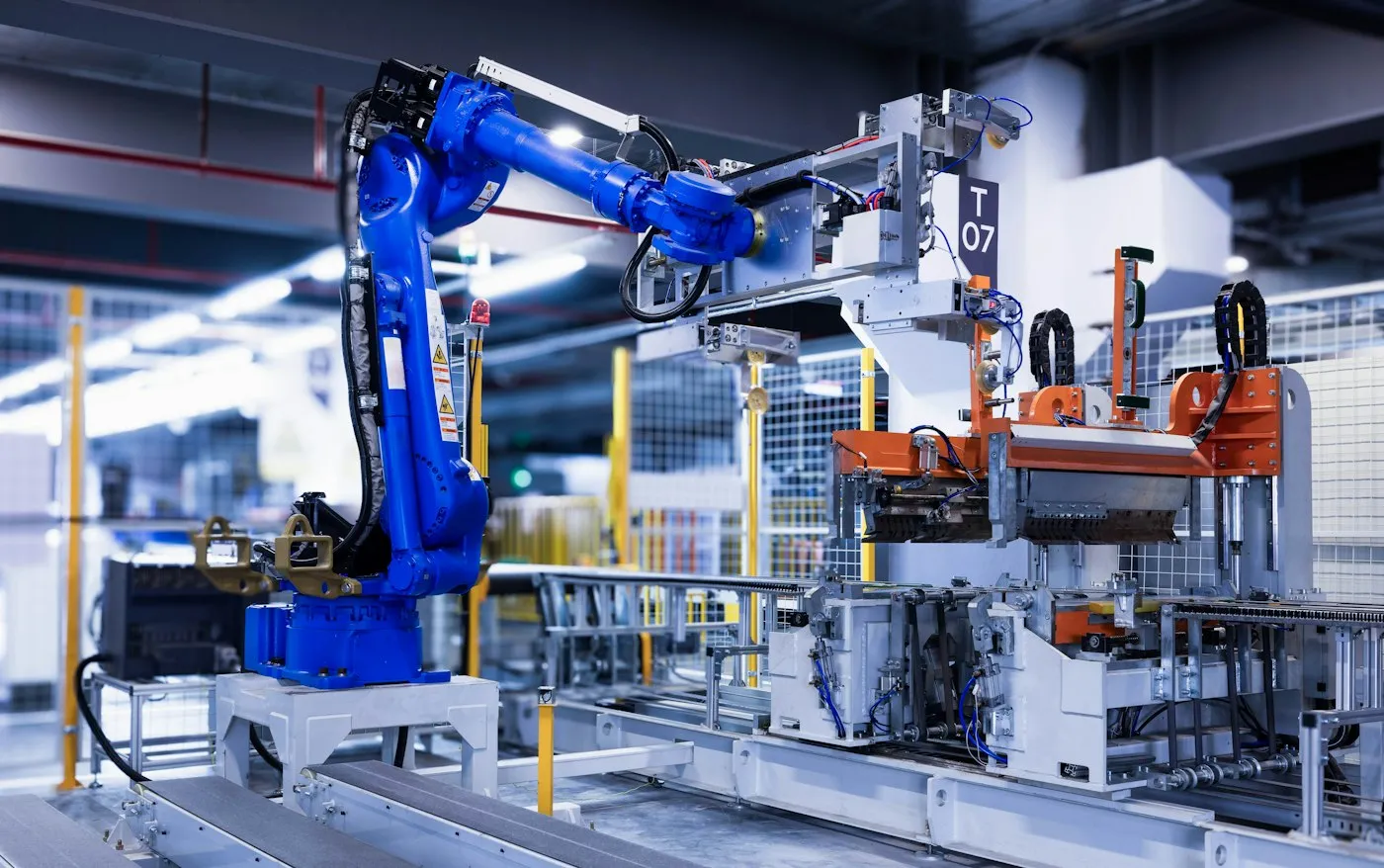
Automation and robotics
Mounts, grippers, adapter plates and guards.
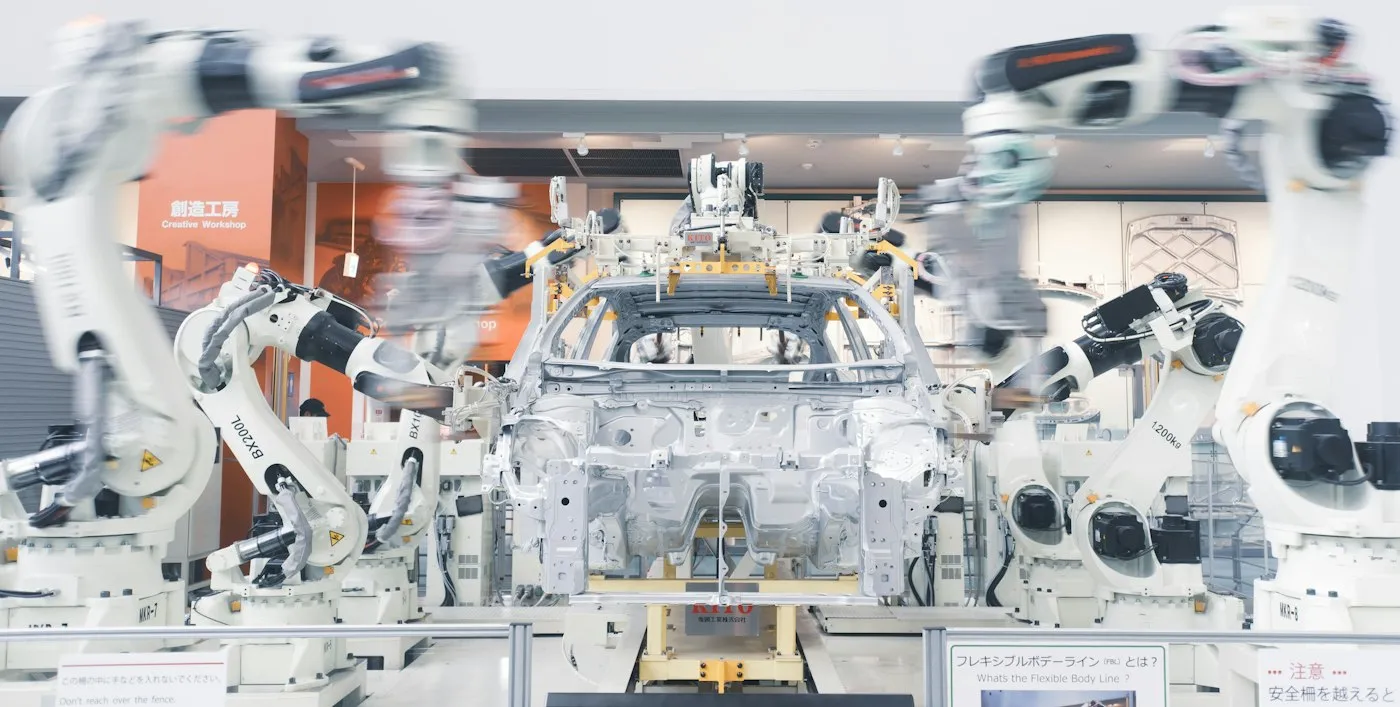
Automotive and transport
Fixtures, brackets and machined components.
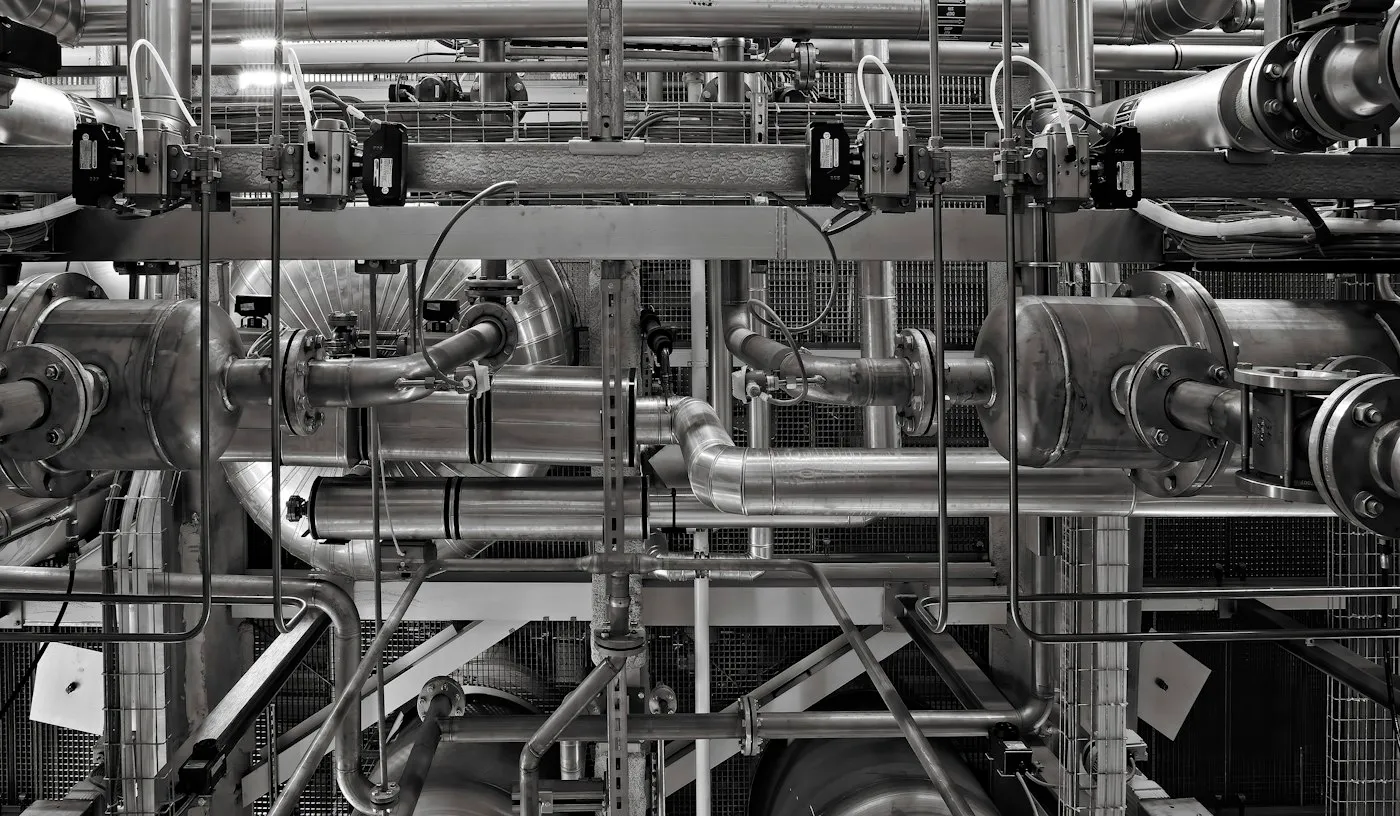
Oil, gas and process
Flanges, manifolds, fittings and valve parts.
Our capabilities
Everything your milled part needs, from one supplier
Choose the metal, the finish and the paperwork. The exact grade, tolerance and finish are confirmed in your quote.
A wide range of metals
Metals, plastics and other materials (plastics: see `plastics`; Vivek, 24 Oct 2026). Listed by alloy series; the exact grade is confirmed in your quote.
1xxx · 2xxx · 3xxx · 4xxx · 5xxx · 6xxx · 7xxx · 8xxx
200 series · 300 series · 400 series · PH grades
10xx · 11xx · 12xx
A series · D series · H series · M series · O series · S series · W series
Grades 1 to 4 · Grade 5
C2xxxx · C3xxxx
C1xxxx
From as-machined to anodized
A milled surface carries fine tool marks. If a surface needs a specific roughness, put the Ra value on that surface in the drawing. Anodizing adds a thin layer, so tell us if a bore or fit must be held after finishing.
- As-machined
- Bead blasting
- Anodizing Type II
- Anodizing Type III (hard anodizing)
- Powder coating
- Brushing
- Passivation
- Electroplating (nickel, chrome, zinc)
- Painting
Machining capability
Down to ±0.005 mm
±0.0002" · on request, depending on the part
No standard tolerance. Yours.
There is no standard tolerance that applies to every part. What we can hold depends on the part: geometry, size, wall thickness, material, process, finish and how the feature is inspected. We work to the tolerances on your drawing and confirm them in the quote.
Paperwork your customer will ask for
Critical features are measured against your drawing before the parts ship. A coordinate measuring machine (CMM) report suits complex parts and tight tolerances; ask for it with your quote.
With every order
- Standard QC inspection
- Material certification (mill certs)
- ISO 9001 documentation
On request
- CMM inspection report
- DFM analysis
- Geometric and dimensional metrology reports (FAIR, ballooned drawing, 3D scan, manual, Ra)
- Material verification and chemistry reports (MTC, PMI)
More on request
- Non-destructive testing reports (LPI, MPI)
- Process capability and compliance reports (SPC, PPAP)
- Other reports, on request
Technical specs
What we work to on every order, unless your drawing says otherwise.
- Max dimensions
- 2134 × 1016 × 762 mm (84 × 40 × 30")
- General tolerances
- ISO 2768 or ±0.127 mm (±0.005"), unless your drawing says otherwise
- Precision tolerances
- Below ±0.025 mm (±0.001"), to your drawing and GD&T callouts
- Threads and tapped holes
- Any standard thread size; custom threads reviewed in the quote
- Edge condition
- Sharp edges broken and deburred by default
- Surface finish
- As-machined, Ra 3.2 µm (126 µin) or better; other finishes on request
Manufacturing process
How your milled part is made
The sequence every milled part follows, from your drawing to an inspected, packed part.
DFM review
An engineer checks the drawing for anything that adds cost or risk, and notes it in the quote.
CAM programming
Toolpaths are programmed from your 3D model, with the tools and setups chosen for the part.
Material with certificate
Stock is cut from the grade on your drawing and arrives with its mill certificate.
Machining
The part is set up, milled to size and deburred, then anodized, plated or finished as ordered. 5-axis parts need fewer setups.
Inspection and packing
Critical features are measured against the drawing, documents are prepared and the parts are packed.
3-axis or 5-axis: which does your part need?
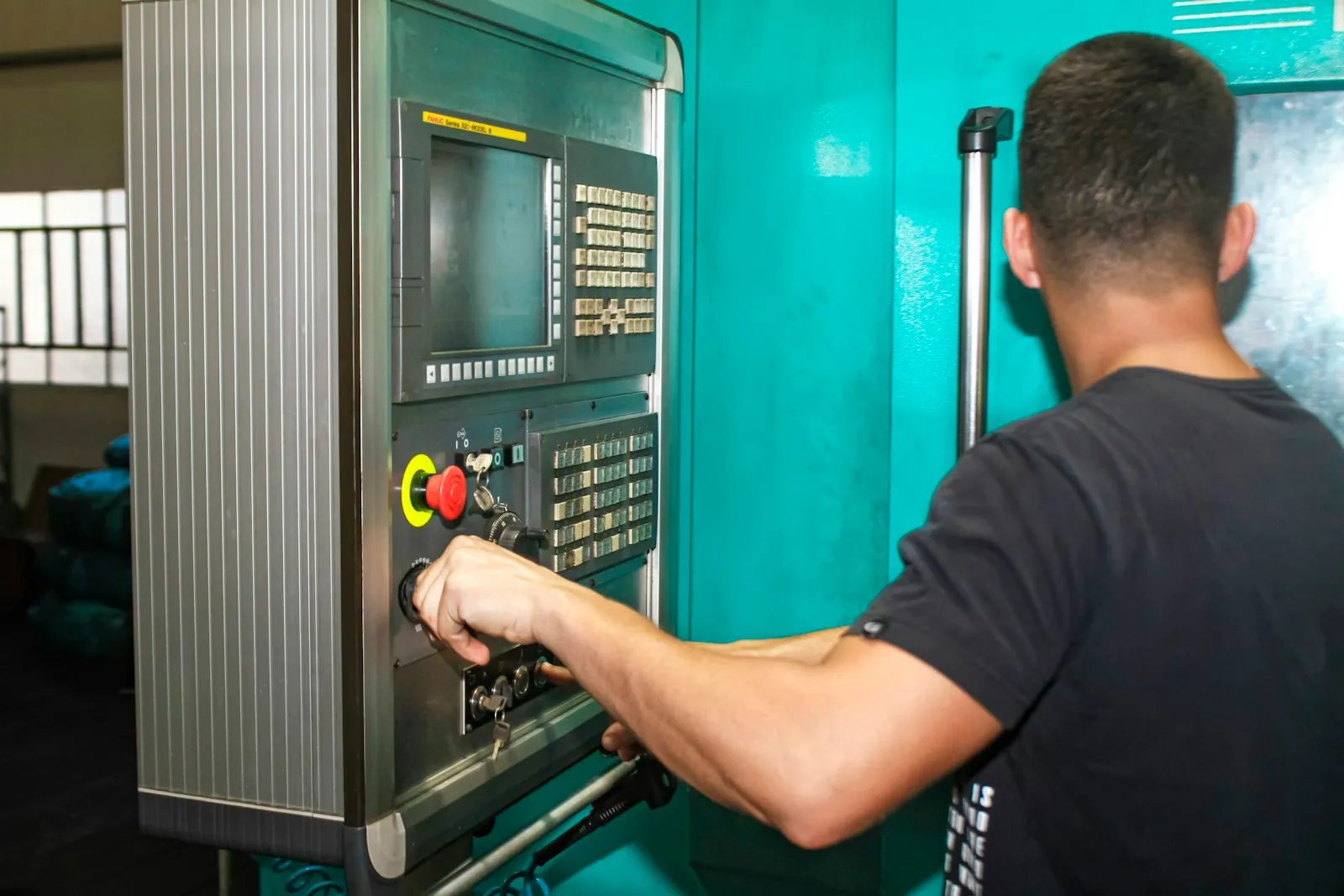
Most milled parts need a 3-axis machine. Add axes when the part has features on several faces or at compound angles, so it can be made in fewer setups.
| Setup | How it works | Best for |
|---|---|---|
| 3-axis (VMC) | The cutter moves in X, Y and Z; the part is re-clamped to reach other faces | Plates, brackets, housings with features on one or two faces |
| 3+2 (positional 5-axis) | Two rotary axes tilt the part to a fixed angle, then it is milled as 3-axis | Features on five sides in one setup; angled holes; shorter, stiffer tools |
| Simultaneous 5-axis | All five axes move at once during the cut | Complex contoured surfaces |
Fewer setups mean fewer chances for a datum to shift between operations. You don’t need to choose the setup yourself. Send the drawing, and our engineers pick the route and explain it in the DFM notes.
What tolerances can we hold on milled parts?
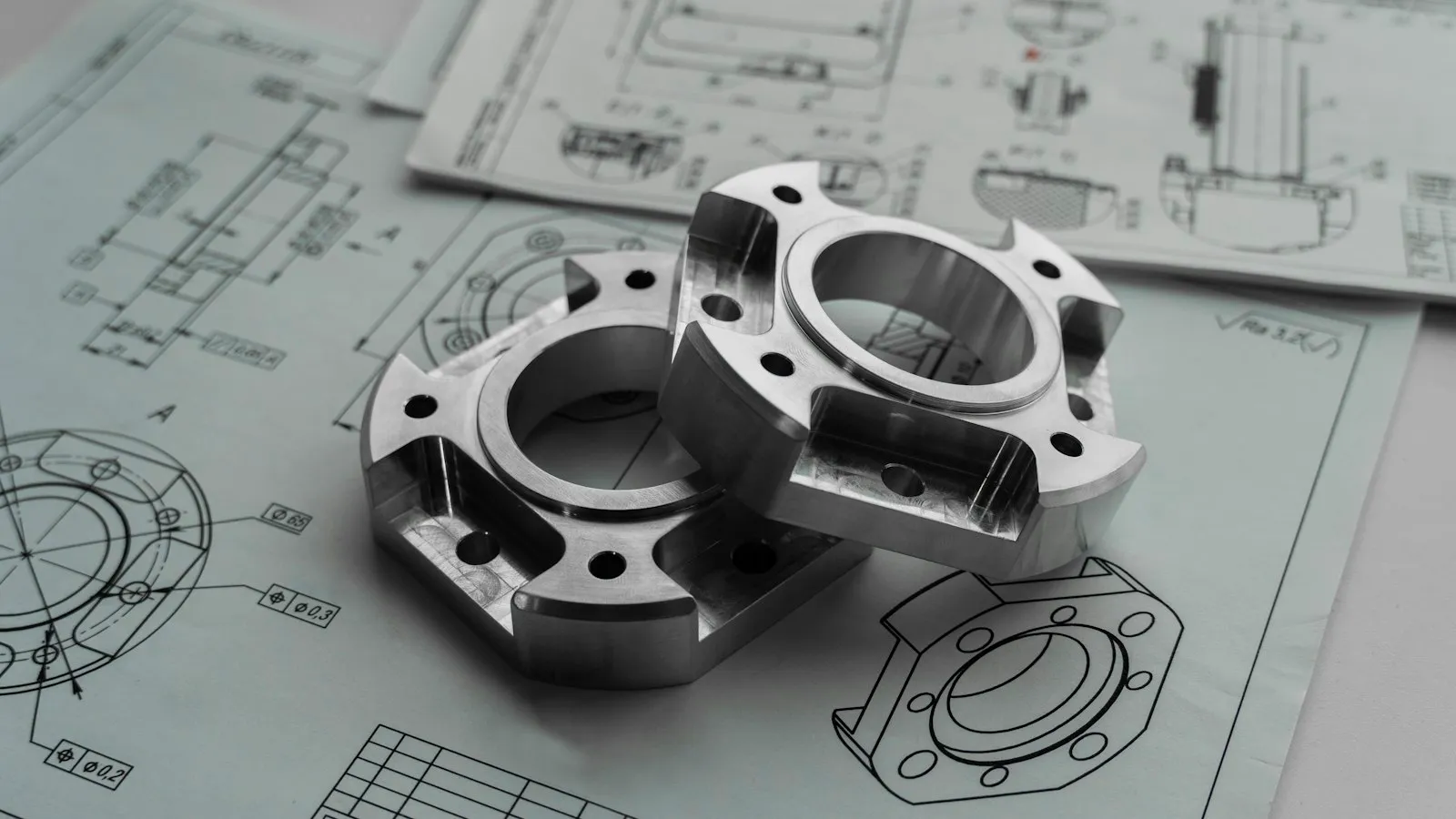
There is no single standard tolerance for every milled part. What a feature can hold depends on its geometry, size, wall thickness, material and finish, and on how it is inspected. We work to the tolerances on your drawing and confirm them in the quote. Where a part needs it, we can hold down to ±0.005 mm (±0.0002”) on request.
For dimensions without their own tolerance, most drawings carry a general tolerance note. ISO 2768-1, from the International Organization for Standardization (ISO), is the common one, in four classes: f (fine), m (medium), c (coarse) and v (very coarse). The table shows the standard’s values for linear dimensions.
| Nominal size (mm) | f, fine (±) | m, medium (±) | c, coarse (±) |
|---|---|---|---|
| over 6 to 30 | 0.1 | 0.2 | 0.5 |
| over 30 to 120 | 0.15 | 0.3 | 0.8 |
| over 120 to 400 | 0.2 | 0.5 | 1.2 |
Values in millimeters. This explains the note; it isn’t a Maketeq default. For geometric tolerances such as flatness and position, ASME Y14.5-2018, from ASME, is the reference most drawings follow.
The practical rule: put a general class in the title block and tighten only the features that locate or fit another part. Every tight tolerance adds finishing passes and inspection time.
Quality assurance
From the first part to repeat production, quality is guaranteed
We guarantee consistent quality from first order to repeat production.
- ISO 9001 certified quality system
- Every order inspected against your drawing before it ships
- Standard QC inspection, material certification (mill certs) and ISO 9001 documentation with every order
- CMM inspection report and DFM analysis on request
- NDA as standard. Files shared only with our production team.
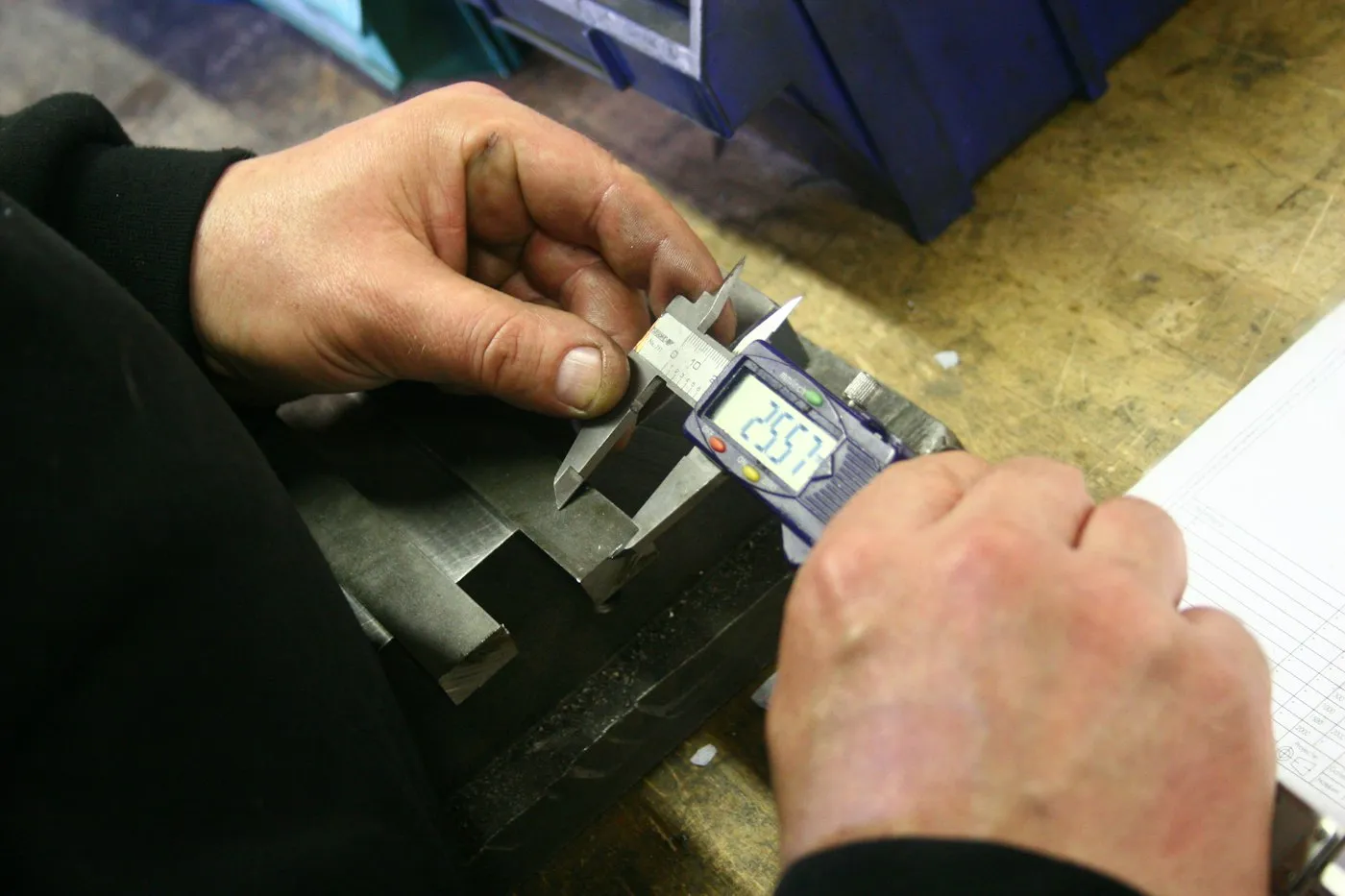
How we work
From inquiry to satisfaction
The same path on every order, so you always know what happens next and what you'll receive.
- 01
Inquiry and drawing
You send your CAD file or drawing. We log the design and an engineer reviews it for manufacturability (DFM).
- 02
Quote with DFM notes
One quote with the price, the lead time and notes on anything that adds cost.
- 03
Sample part for reference
A sample part is made and sent to you for reference before production starts.
- 04
Production
The batch is made to the approved sample and inspected against your drawing.
- 05
Proof before the parts arrive
Photos of your parts, the QC reports and proof of dispatch reach you before the parts do.
- 06
Delivery and satisfaction survey
Parts arrive by standard delivery, and we ask how we did with a short customer satisfaction survey.
Gallery
CNC milled parts gallery
Why Maketeq
Why buyers choose Maketeq for CNC milling
Lower cost, same standard
More than 50% below typical US and European machining prices and online manufacturing platforms. The saving comes from a geographic cost advantage, not from less inspection.
Precision when you need it
Tolerances down to ±0.005 mm (±0.0002") on request, depending on the part, on VMC and 5-axis machines.
Quality you can check
ISO 9001 certified. QC inspection, mill certificates and ISO 9001 documentation come with every order.
Proof before the parts arrive
Photos of your parts, the QC reports and proof of dispatch reach you before the parts do.
Engineers who reply
Technical team on email and WhatsApp. Reply within 6 hours, whatever your time zone.
Delivered worldwide
Usually DHL or FedEx, local carriers where it suits the country, and customs paperwork handled.
Questions buyers ask about CNC milling
What drives the price of a milled part?
Price depends on the material, the machining time, the number of setups, the tolerances and finish, and the quantity. Setup and programming are a fixed cost per job, so the price per part falls as quantity rises. Your quote breaks this down for your part.
How long does CNC milling take?
Lead time depends on the part’s complexity, the quantity, the material, the finish, the inspection required and the destination. Every quote states the lead time, and that’s the date we work to.
Do you send a sample before production?
Yes. A sample part is made and sent to you for reference before production starts, so you can check it against your drawing and your assembly.
What do I receive before the parts arrive?
Photos of your parts, the QC reports and proof of dispatch reach you before the parts do. Mill certificates and ISO 9001 documentation come with every order, and a CMM inspection report is available on request.
Who makes my part?
Maketeq manages your part from quote to delivery, to one ISO 9001 quality standard, and every order is inspected before it ships. NDA as standard: your files are shared only with our production team. Read more about Maketeq.
Is there a minimum order quantity?
No. You can order one part or a production batch.
How do payment and currency work?
A partial advance on order and the balance before dispatch. We accept payment in all currencies.
Do you ship worldwide and handle customs?
Yes. We usually ship with DHL or FedEx, use local carriers such as DPD in the UK where it suits the country, and handle customs paperwork where required.
Do you mill plastics?
Yes, on request. We work in metals, plastics and other materials; see the materials we machine. We don’t offer 3D printing or injection molding.
Ready to start? Upload your drawing for a CNC milling quote.
Learn more
Related guides and articles
More capabilities
Other ways we make metal parts
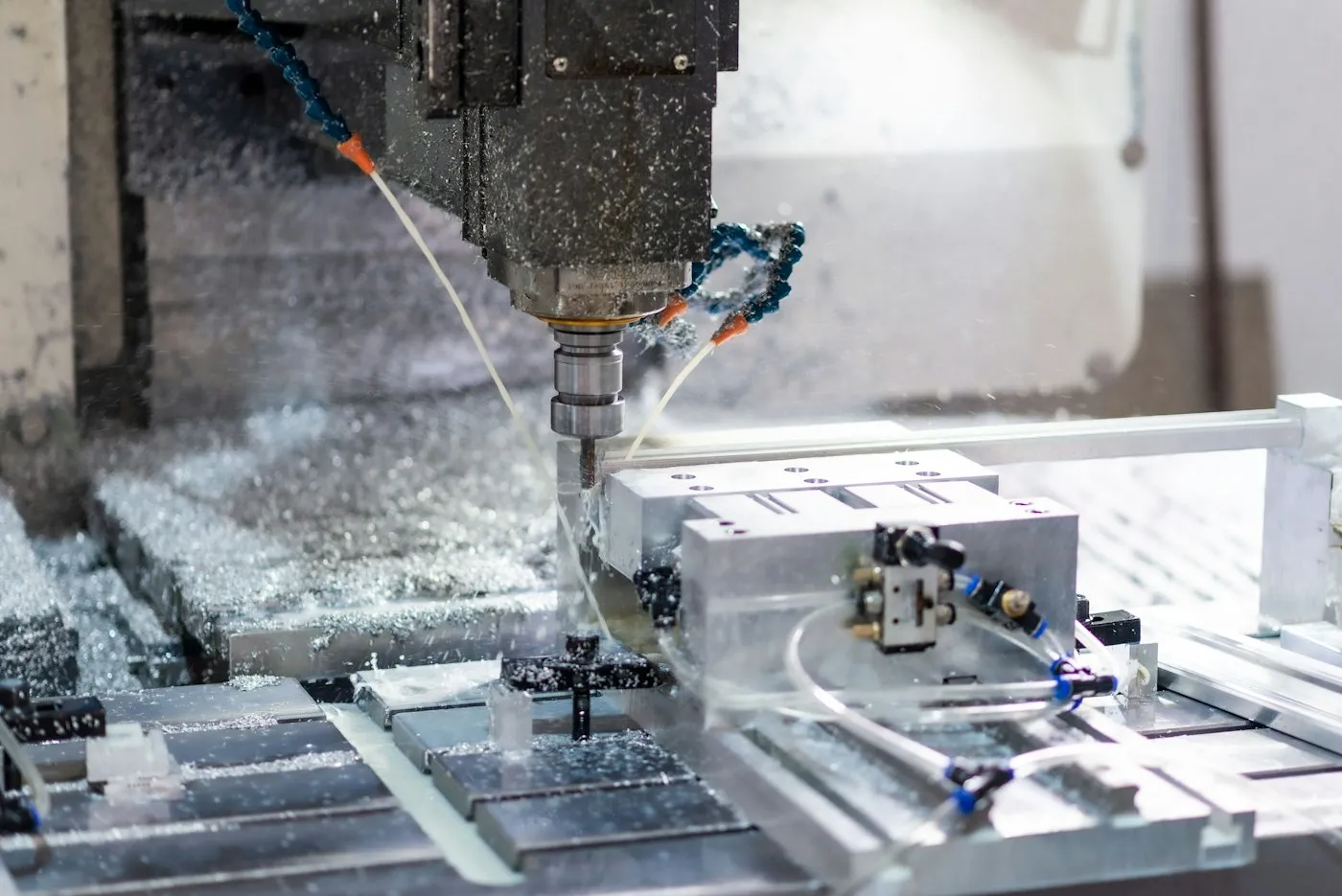
CNC machining
Prismatic metal parts made from your STEP file and drawing.
Explore CNC machining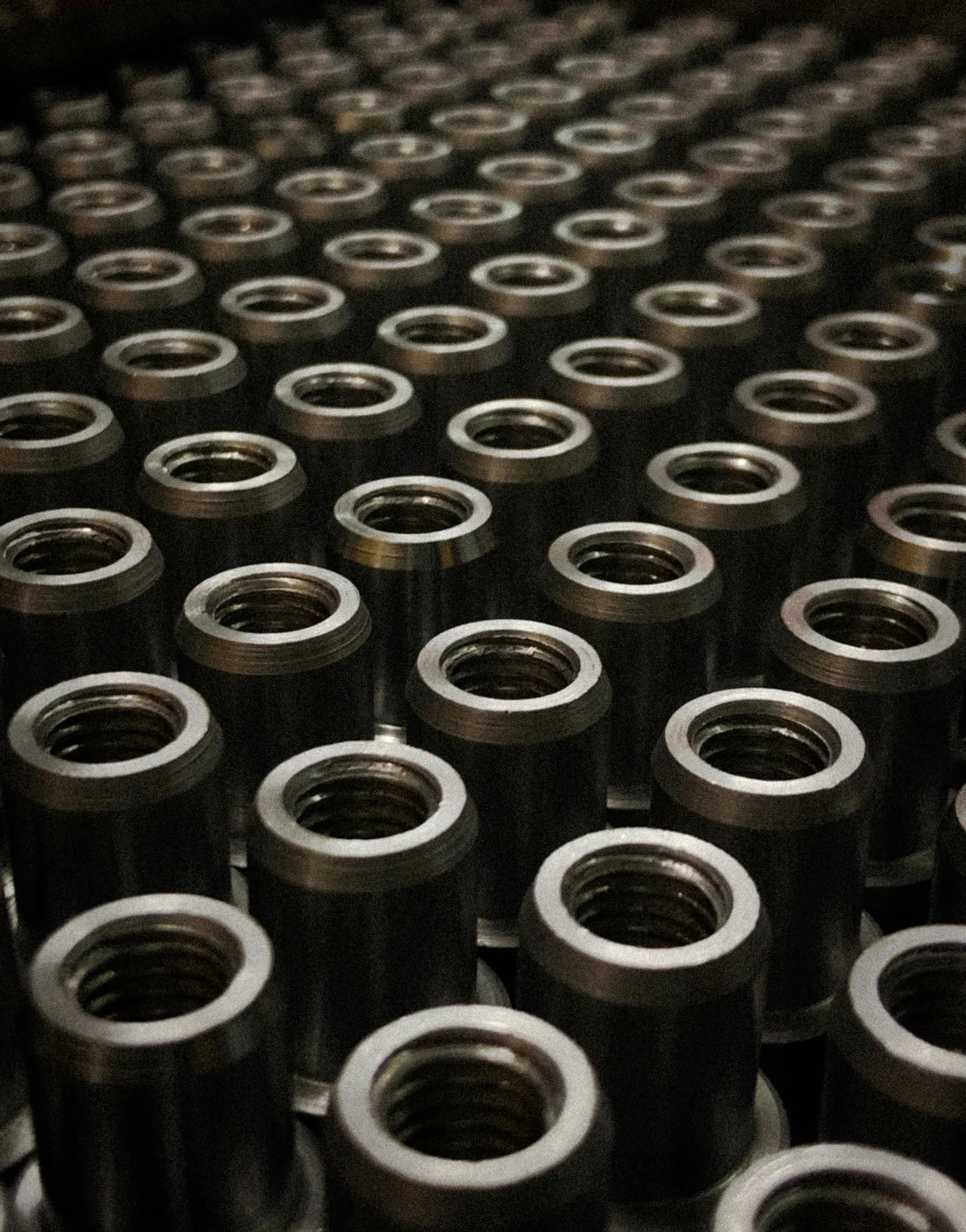
CNC turning
Shafts, pins, bushings and round fittings turned on CNC lathes.
Explore CNC turning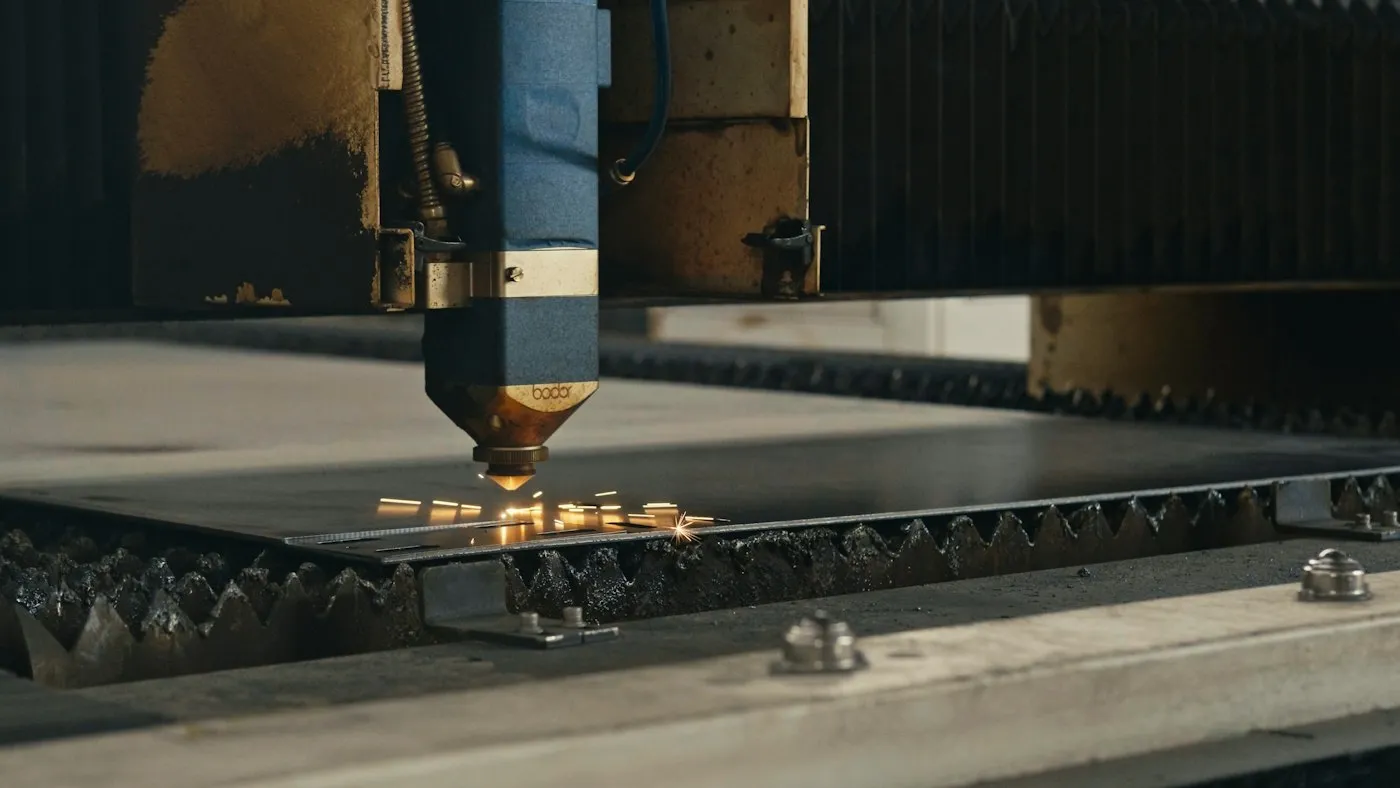
Sheet metal cutting
Flat profiles with clean, repeatable edges.
Explore sheet metal cutting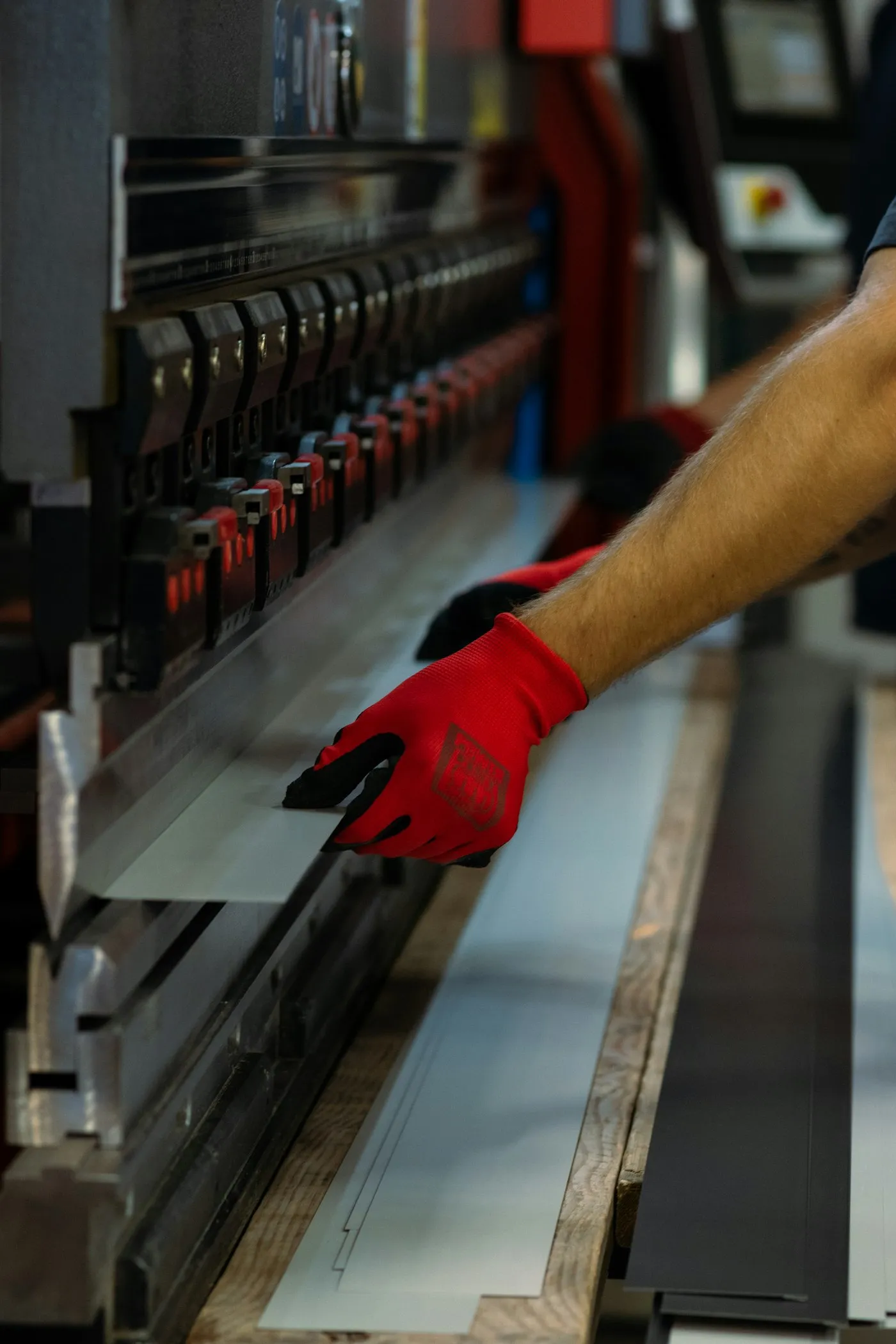
Sheet metal bending
Brackets, enclosures and formed parts on the press brake.
Explore sheet metal bending
Send the drawing for your milled part
An engineer reviews it, flags anything that adds cost and sends one quote with the price and lead time.