Mild steel CNC machining
Brackets, shafts, spacers and fixtures in mild and free-machining carbon steel, milled and turned to your drawing. Pick the series, choose a finish that stops rust, and we confirm the exact grade in the quote.
- Series
- 10xx, 11xx, 12xx
- Finishes
- Plating, powder coat, paint
- Grade
- Confirmed in quote
- Certificate
- Mill cert included
We offer mild steel CNC machining in plain carbon 10xx steels and in the free-machining 11xx and 12xx series. This page helps you choose between a plain carbon grade and a free-machining one, and explains the welding trade-off. It also pairs each finish with the rust protection it gives and shows how to write the callout so the quote matches the part. Mild steel is a common low-cost choice for brackets, frames, spacers and fixtures.
Which carbon steel series do you machine?
We machine all three series by CNC milling and CNC turning. Steel sheet parts are cut on our laser cutting service and bent on the sheet metal side. The exact grade is confirmed in your quote.
- Mild steel10xx, 11xx, 12xx
Plastics and other materials on request. The exact grade is confirmed in your quote.
The four-digit numbers come from the SAE system, set out in SAE J403 (SAE International). The first two digits give the type of steel, and the last two give the average carbon content in hundredths of a percent, so 1018 has about 0.18% carbon (PMPA).
How do the carbon steel series compare?
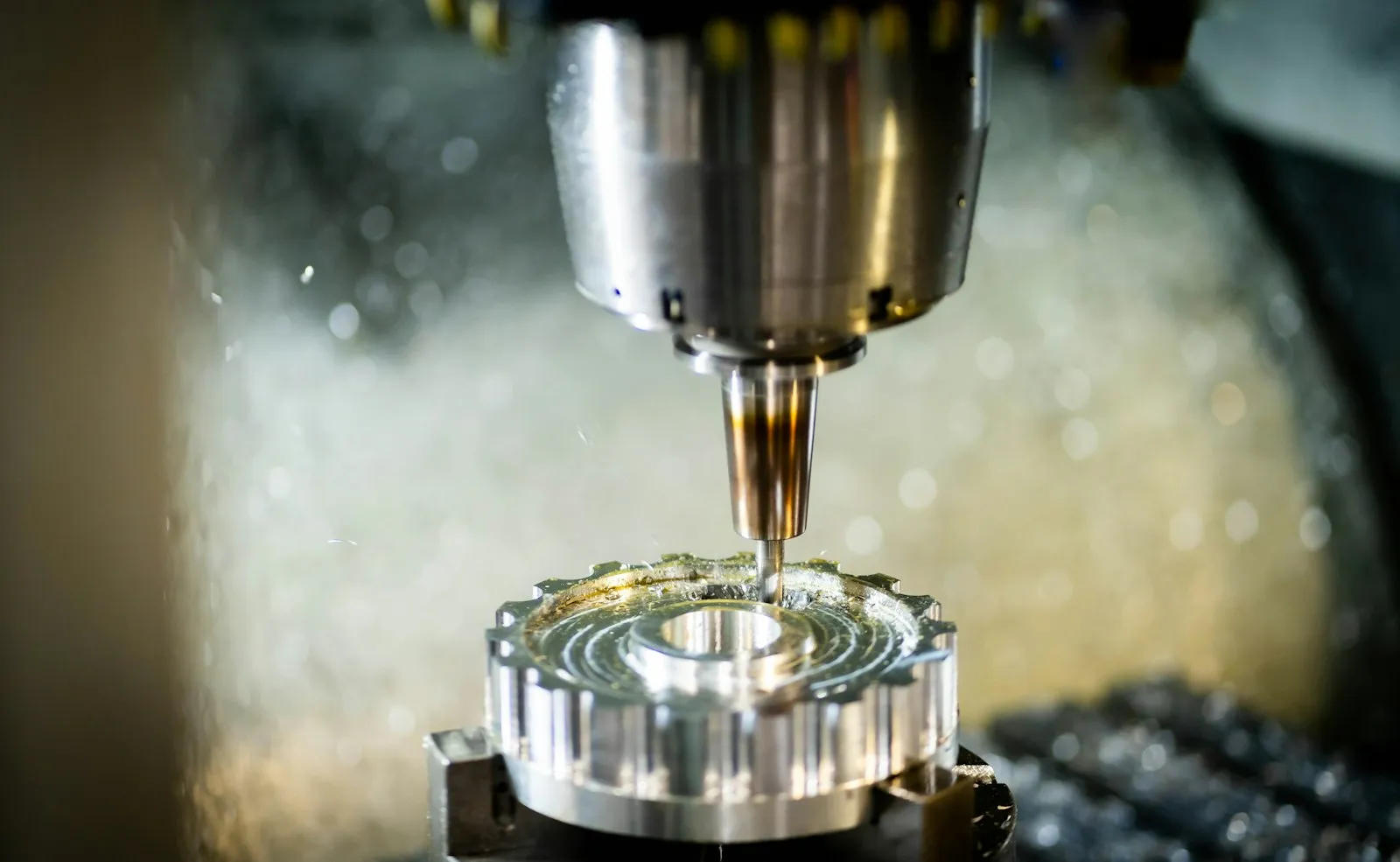
The main choice is between plain carbon steel, which welds well, and free-machining steel, which cuts faster but shouldn’t be welded. Sulfur is added to the 11xx and 12xx series to make them machine more easily (PMPA), and the same sulfur makes them poor for welding (PMPA).
| Series | What it is | Machining | Welding | Example grades | Best for |
|---|---|---|---|---|---|
| 10xx | Plain carbon steel | Low-carbon grades can be gummy; chips are harder to control | Good for low-carbon grades | 1018, 1045 | Welded parts, frames and brackets |
| 11xx | Resulfurized | Easier, thanks to added sulfur | Not recommended | 1117, 1144 | Turned parts with some strength |
| 12xx | Resulfurized and rephosphorized, some leaded | Easiest of the three | Not recommended | 1215, 12L14 | High-volume turned parts that won’t be welded |
Example grades are labels, not a list of what we stock. 1045 sits at the top of the 10xx range and is a medium-carbon steel, not a true mild steel (PMPA). The mill certificate that ships with your parts gives the composition and properties for the batch you receive.
How does mild steel machine?
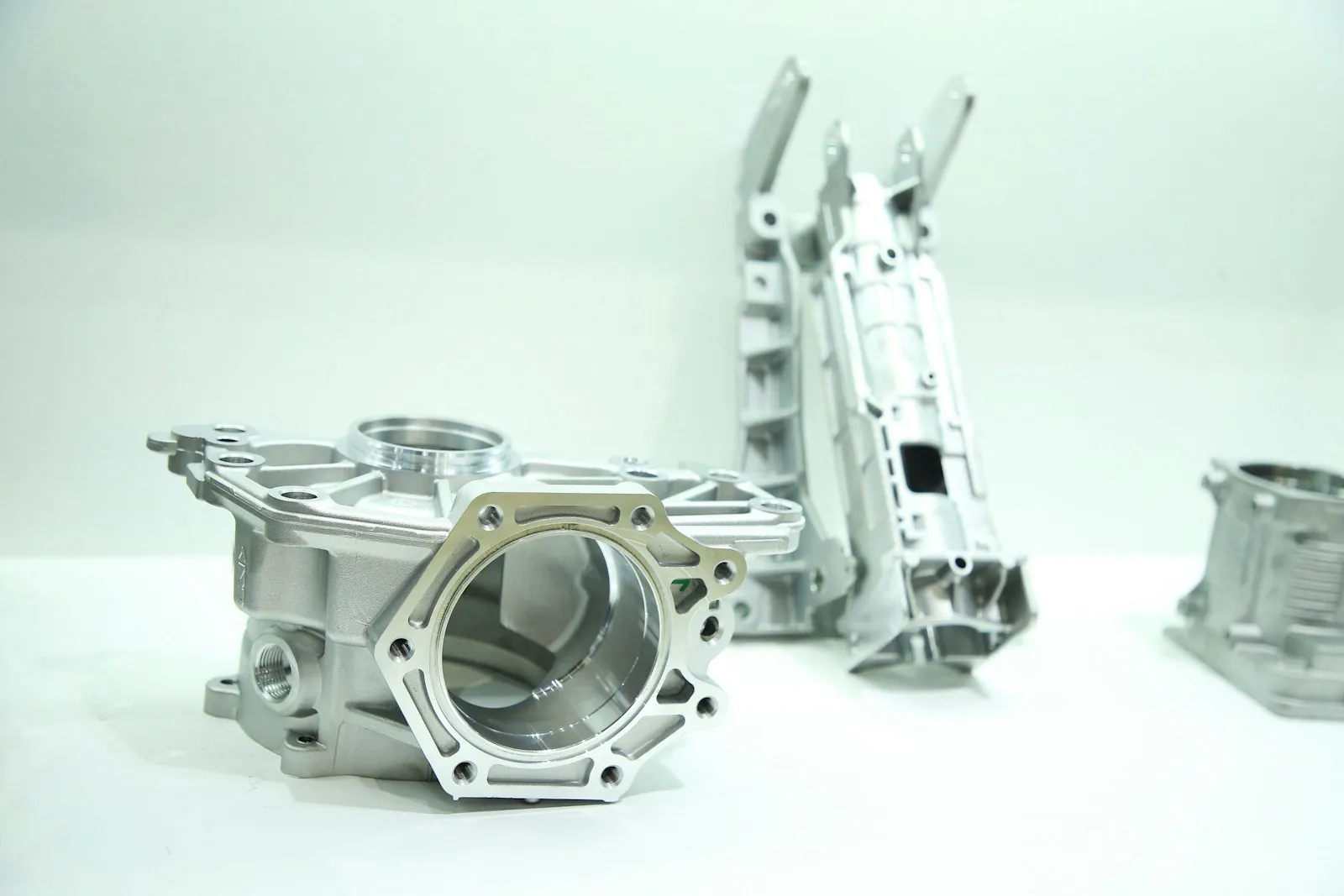
Low-carbon steel is easy to cut but can be gummy, with long, stringy chips that are hard to break (PMPA). Free-machining grades break chips more easily, which is why they’re chosen for turned parts with many features.
What that means for your part:
- Turned parts in volume. A 12xx grade can cut cycle time on shafts, pins and fittings that won’t be welded. Ask about it in the quote.
- Welded assemblies. Keep to 10xx. The machining is a little slower, but the weld is sound.
- Bar condition. Cold-finished bar, covered by ASTM A108, is supplied for machining (ASTM International). Name it on the drawing if your customer requires it.
- Hardness. If the part needs case hardening or a hardness range, write it on the drawing, and the quote confirms how the part will be made and treated.
Which finishes stop mild steel from rusting?
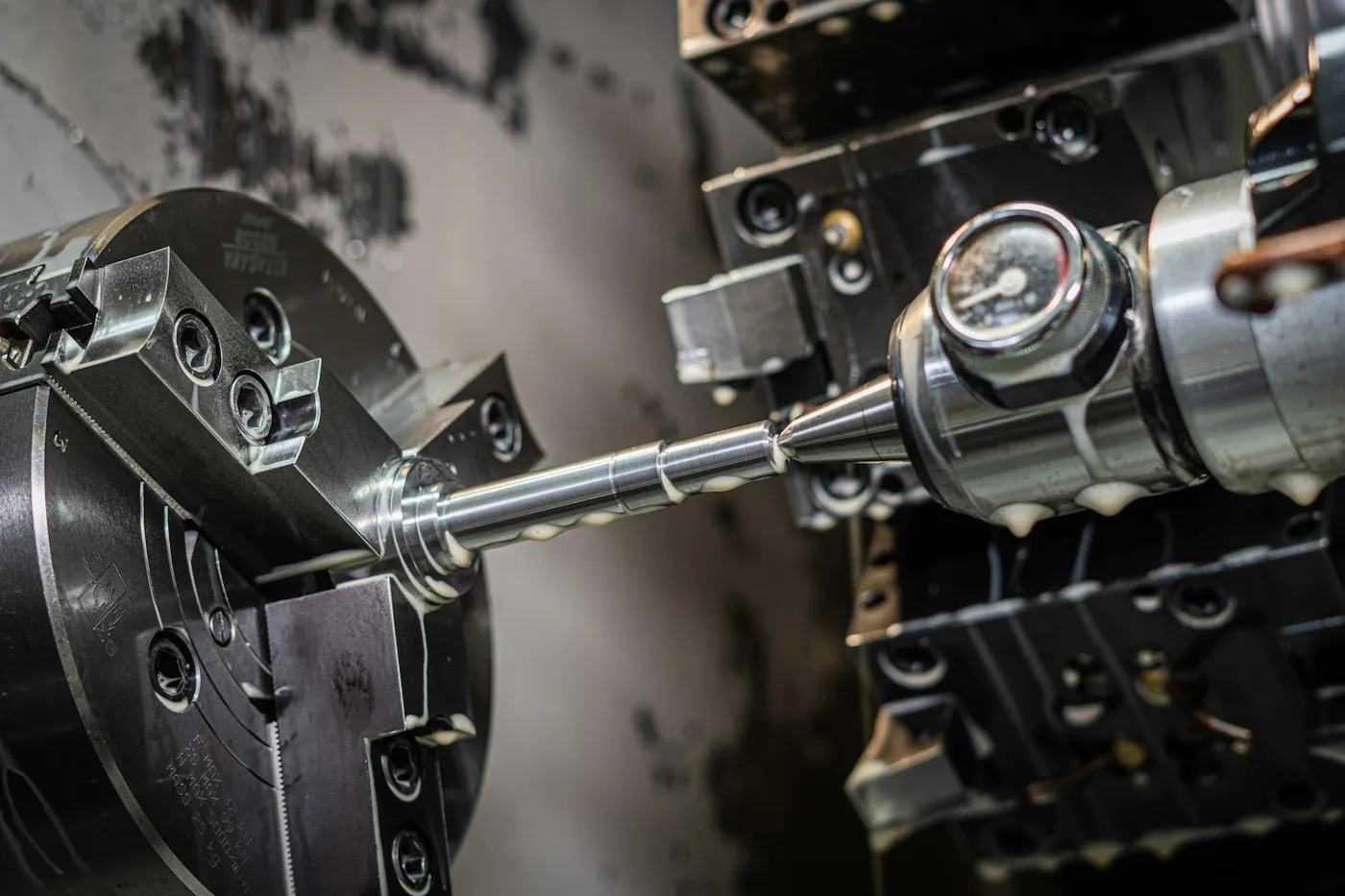
Bare mild steel rusts, so most machined steel parts get a coating. The right one depends on where the part works and whether it will be painted later.
| Finish | Why you’d choose it on mild steel | Watch for |
|---|---|---|
| Zinc electroplating | Corrosion protection on small parts and fasteners | Not for steels harder than about 46 HRC, because of hydrogen embrittlement (ASTM B633) |
| Nickel or chrome electroplating | Wear resistance or a bright finish | Confirm the plating type and thickness in the quote |
| Powder coating | Durable color on brackets and frames | Masking needed on threads and fits |
| Painting | Color, or a primer for later painting | Masking needed on threads and fits |
| Bead blasting | Even matte surface, often before coating | Not a rust protection on its own |
| As-machined | Parts that will be oiled or coated later | Bare steel rusts in storage and transit |
ASTM B633 is the standard most drawings cite for zinc plating on steel (ASTM International). It warns that steels above 1,700 MPa (247 ksi), about 46 HRC, shouldn’t be zinc plated to it.
Our full list of finishes:
- As-machined
- Bead blasting
- Anodizing Type II
- Anodizing Type III (hard anodizing)
- Powder coating
- Brushing
- Passivation
- Electroplating (nickel, chrome, zinc)
- Painting
How do you call out mild steel on a drawing?
Write the grade, the bar condition and the finish. For example (an example callout, not a recommendation): “Steel 1018, cold finished to ASTM A108, zinc plate to ASTM B633”. ASTM A29 covers the general requirements for hot-wrought carbon steel bar (ASTM International).
What to put on the drawing or in your message:
- Grade, such as 1018 or 12L14. “Mild steel” alone can mean several grades, and the quote is clearer with a number.
- Bar condition, cold finished or hot rolled, if it matters.
- Finish, with the plating standard and any surfaces to mask.
- Welding, if the part will be welded, so no free-machining substitute is used.
Every order comes with a mill certificate that traces the metal to its batch, along with QC inspection and ISO 9001 documentation.
- Standard QC inspection
- Material certification (mill certs)
- ISO 9001 documentation
Questions buyers ask about mild steel CNC machining
Is 1018 or 12L14 better for a turned part?
12L14 machines more easily, because it is a leaded, resulfurized free-machining steel. Choose 1018 if the part will be welded, since free-machining steels shouldn’t be welded (PMPA).
Is 1045 mild steel?
Not strictly. Its 0.45% average carbon makes it a medium-carbon steel (PMPA). We machine it as part of the 10xx series.
Can I weld 1215 or 12L14?
It’s not recommended. The sulfur that makes them easy to machine causes slaggy, crack-prone welds (PMPA). Use a plain low-carbon grade for welded parts.
Does zinc plating make steel brittle?
Plating can put hydrogen into steel, and hardened steel is most at risk. ASTM B633 says steels above about 46 HRC shouldn’t be zinc plated to it (ASTM International). If your part will be hardened before plating, say so on the drawing.
What is the difference between mild steel and carbon steel?
Mild steel is low-carbon steel, one part of the wider carbon steel family. The last two digits of the grade show how much carbon it has (PMPA).
Will I get a material certificate?
Yes. A mill certificate comes with every order, so the grade traces back to the batch the metal came from.
Need more hardness or wear resistance? See tool steel CNC machining. For corrosion resistance without a coating, compare stainless steel CNC machining, or see all the metals we machine and what CNC machining is.
Sources
- SAE International, J403 Chemical Compositions of SAE Carbon Steels (named; homepage linked), https://www.sae.org/, accessed 2026-10-20.
- PMPA, Basics of the North American Steel Grade System: Carbon, https://www.pmpa.org/basics-of-the-north-american-steel-grade-system-carbon-2/, accessed 2026-10-20.
- PMPA, 3 Reasons To Not Weld Free Machining Steels, https://www.pmpa.org/3-reasons-to-not-weld-free-machining-steels/, accessed 2026-10-20.
- ASTM International, A29, A108 and B633 (named; homepage linked), https://www.astm.org/, accessed 2026-10-20.
Capabilities
How we make metal parts
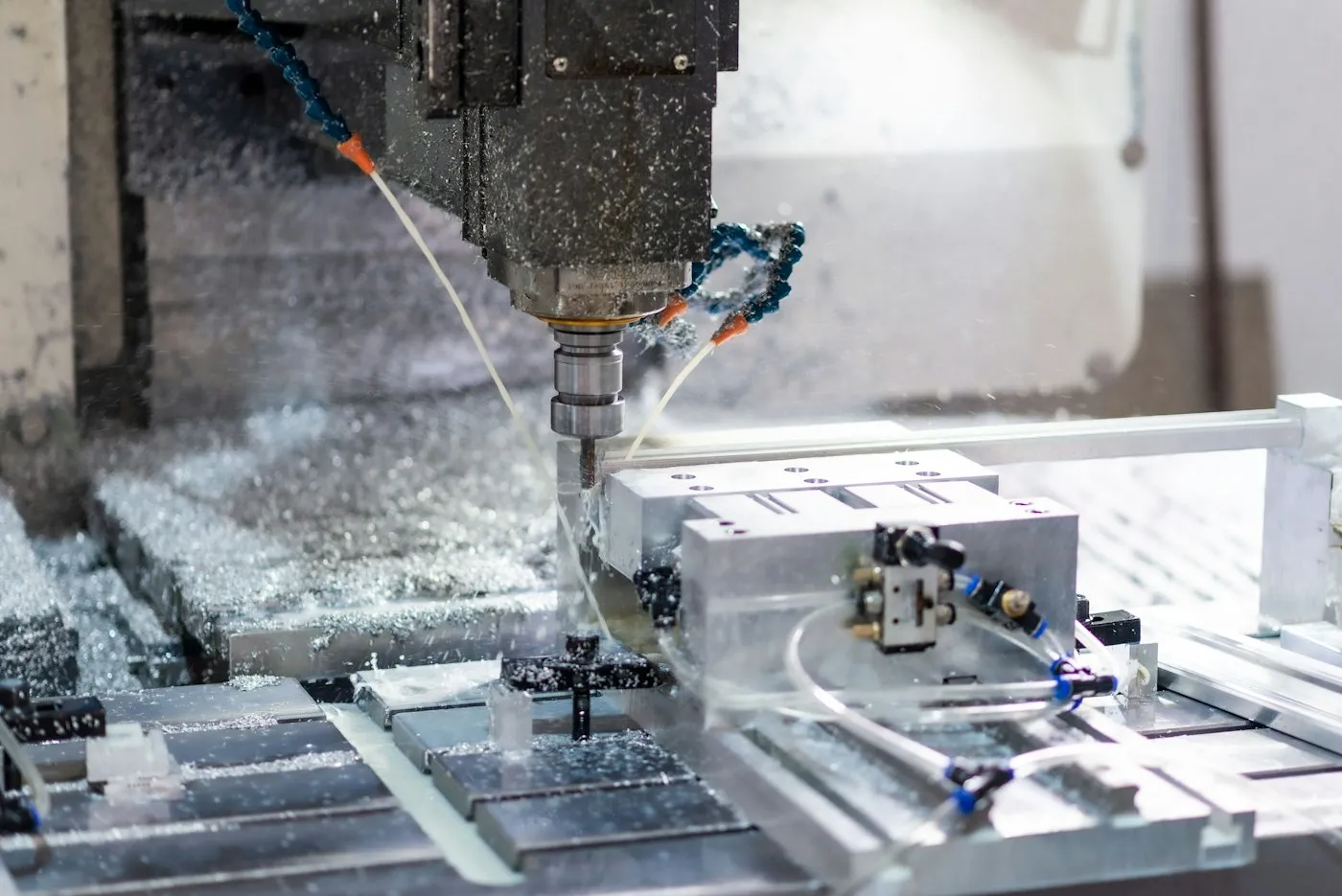
CNC machining
Prismatic metal parts made from your STEP file and drawing.
Explore CNC machining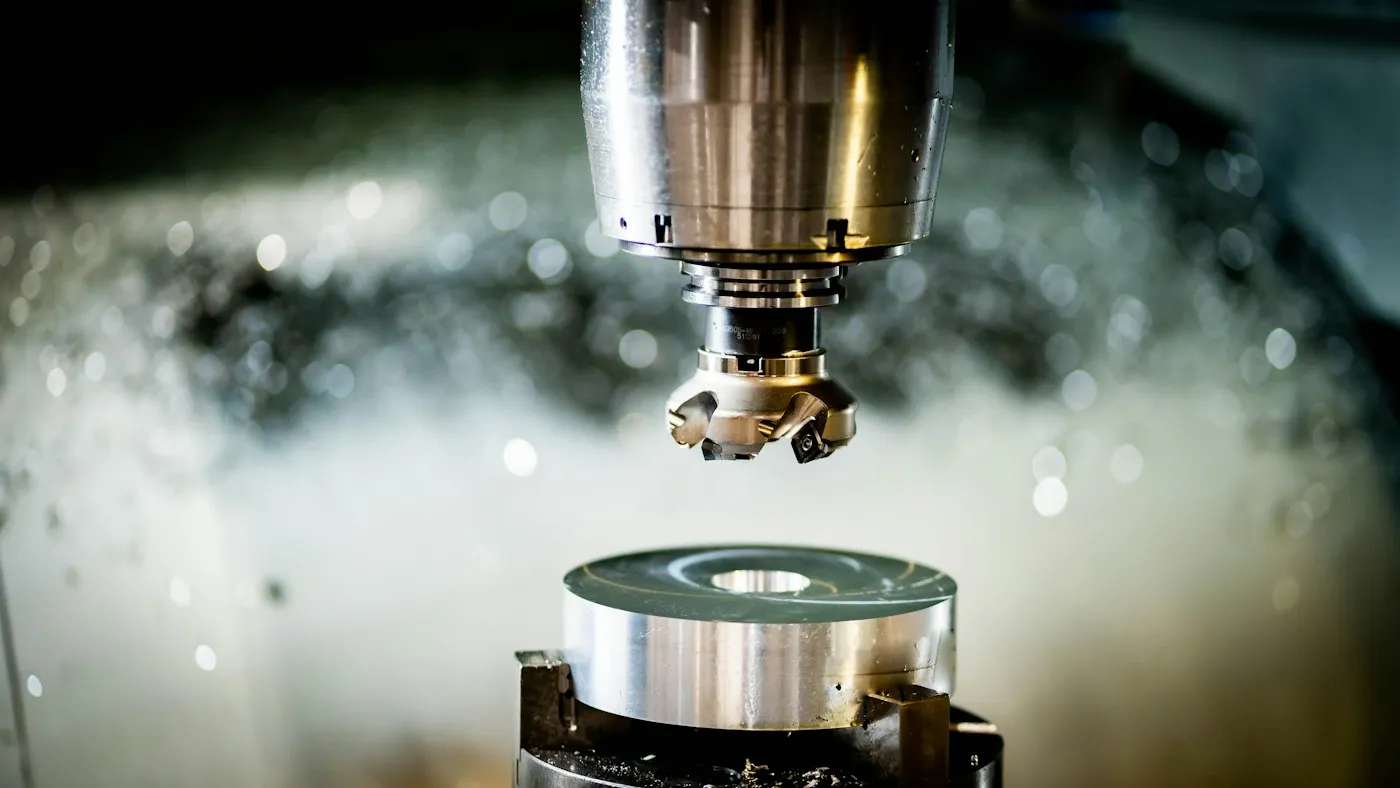
CNC milling
Pockets, faces, slots and threaded features on VMC.
Explore CNC milling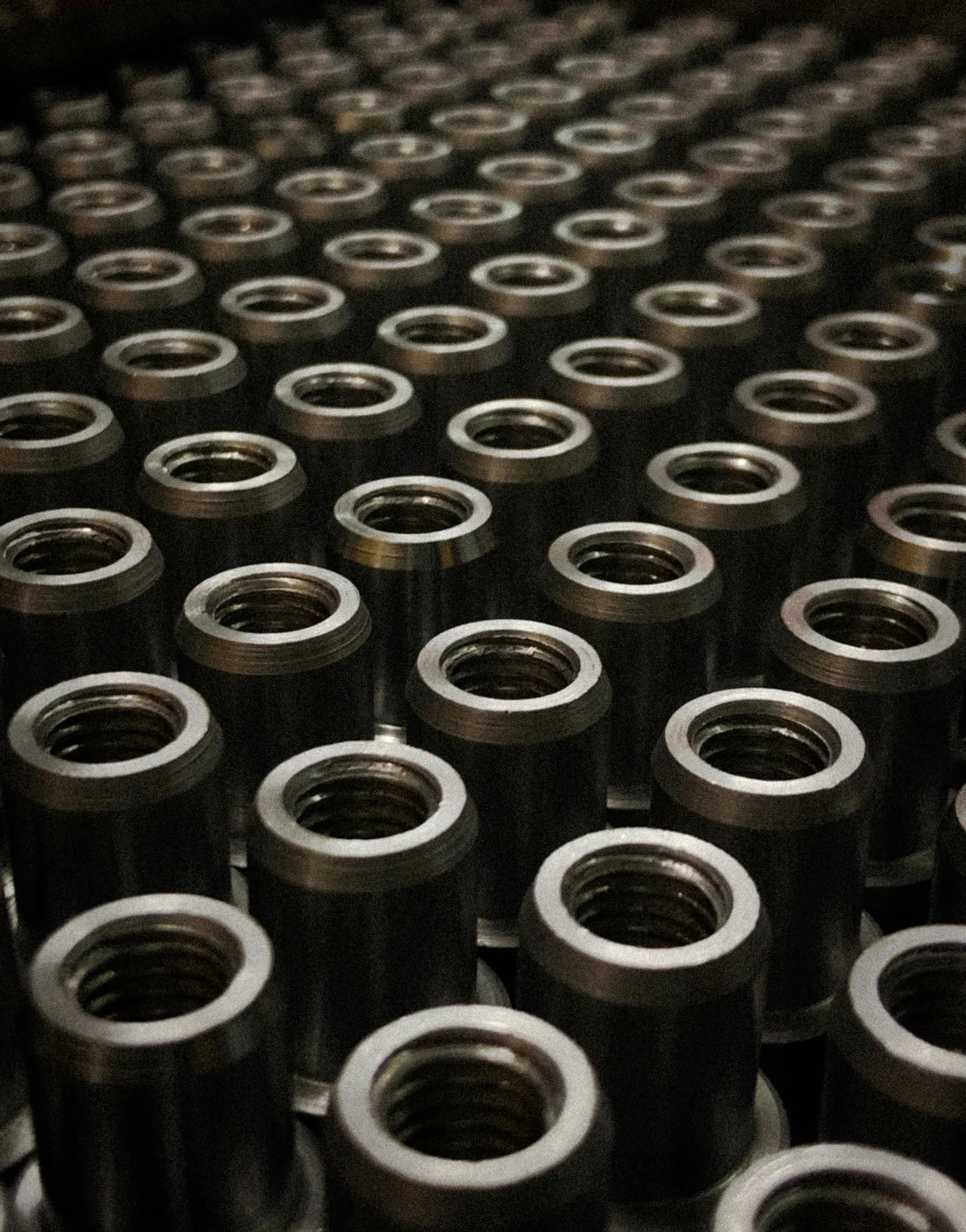
CNC turning
Shafts, pins, bushings and round fittings turned on CNC lathes.
Explore CNC turning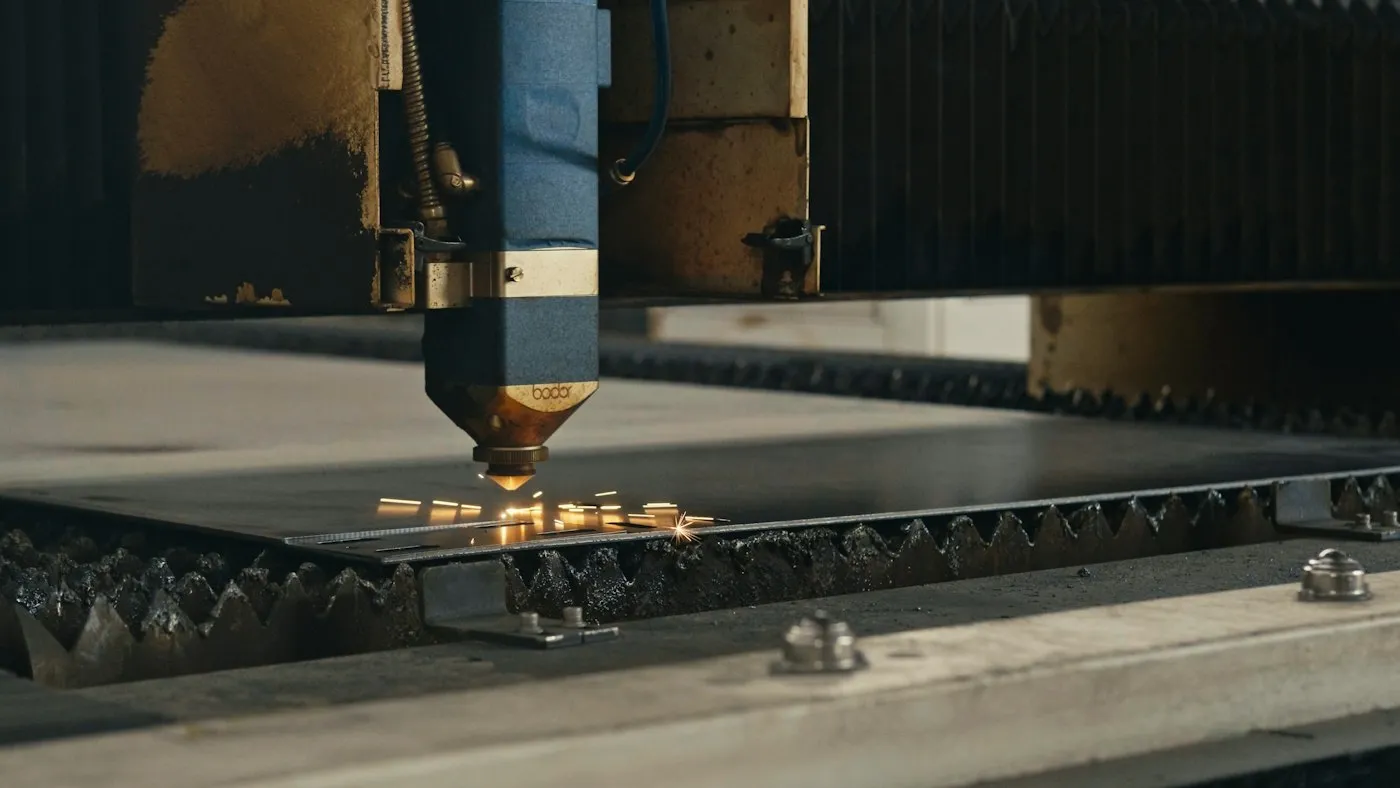
Sheet metal cutting
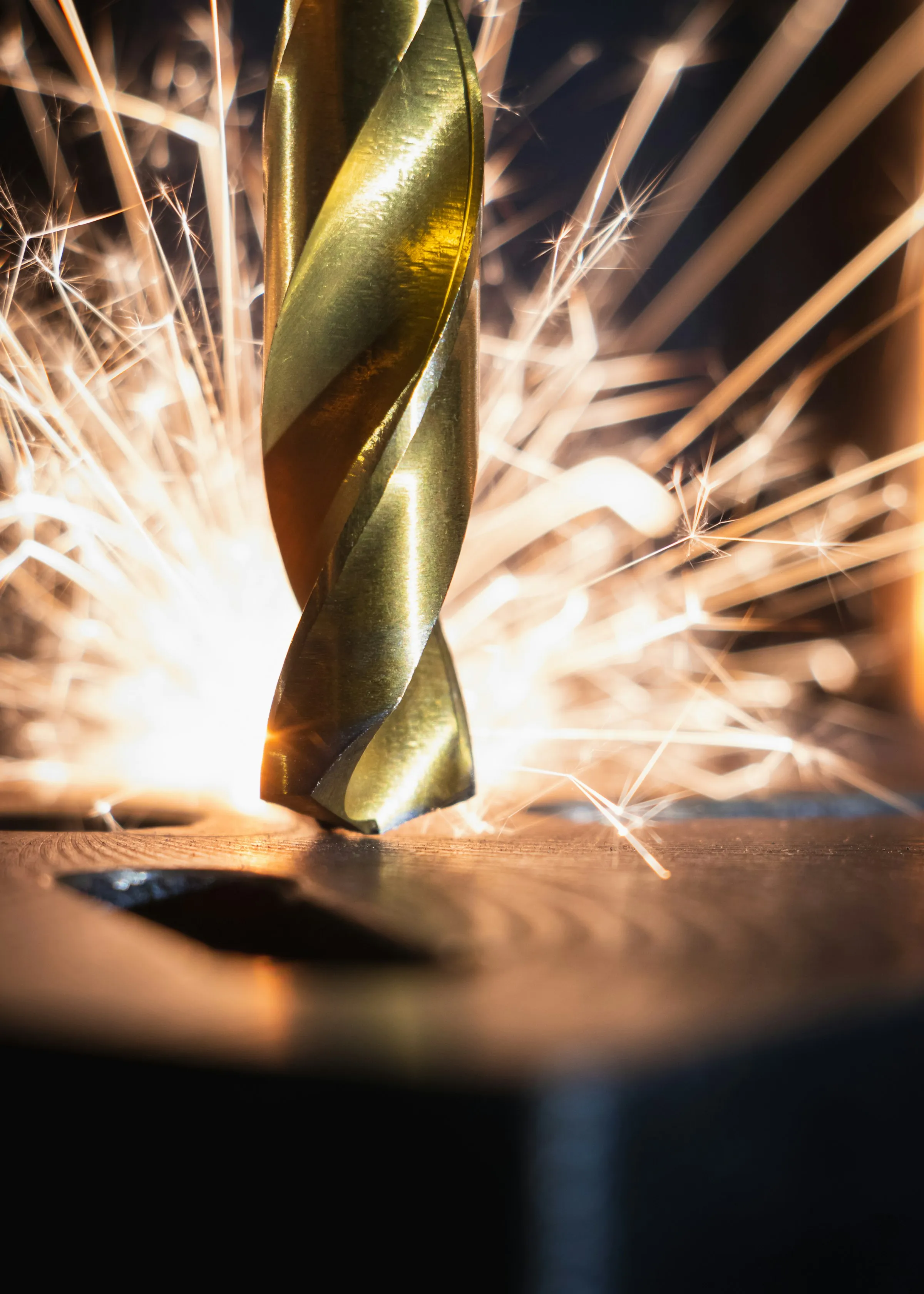
Flat profiles with clean, repeatable edges.
Explore sheet metal cutting
Send the drawing with your steel callout
Our engineers check the grade, bar condition and finish against the part, flag anything that adds cost and send one quote with the price and lead time.