Stainless steel CNC machining
Fittings, shafts, brackets and housings in stainless steel, milled and turned to your drawing. Pick the series, add the condition and finish, and we confirm the exact grade in the quote.
- Series
- 200, 300, 400, PH
- Passivation
- Offered
- Grade
- Confirmed in quote
- Certificate
- Mill cert included
We offer stainless steel CNC machining in the 200, 300 and 400 series and the precipitation-hardening (PH) grades. This page helps you choose the series, understand why stainless cuts more slowly than carbon steel, pick a finish and write the callout so the quote matches the part. Stainless is the usual choice when a part sees water, chemicals or washdown.
Which stainless steel series do you machine?
We machine all four stainless families by CNC milling and CNC turning. Stainless sheet parts are cut and bent through our sheet metal services. The exact grade is confirmed in your quote.
- Stainless steel200 series, 300 series, 400 series, PH grades
Plastics and other materials on request. The exact grade is confirmed in your quote.
Stainless grades are grouped by their metallurgical structure, and the structure decides whether a grade is magnetic and whether it can be hardened (SSINA).
How do the stainless series compare?
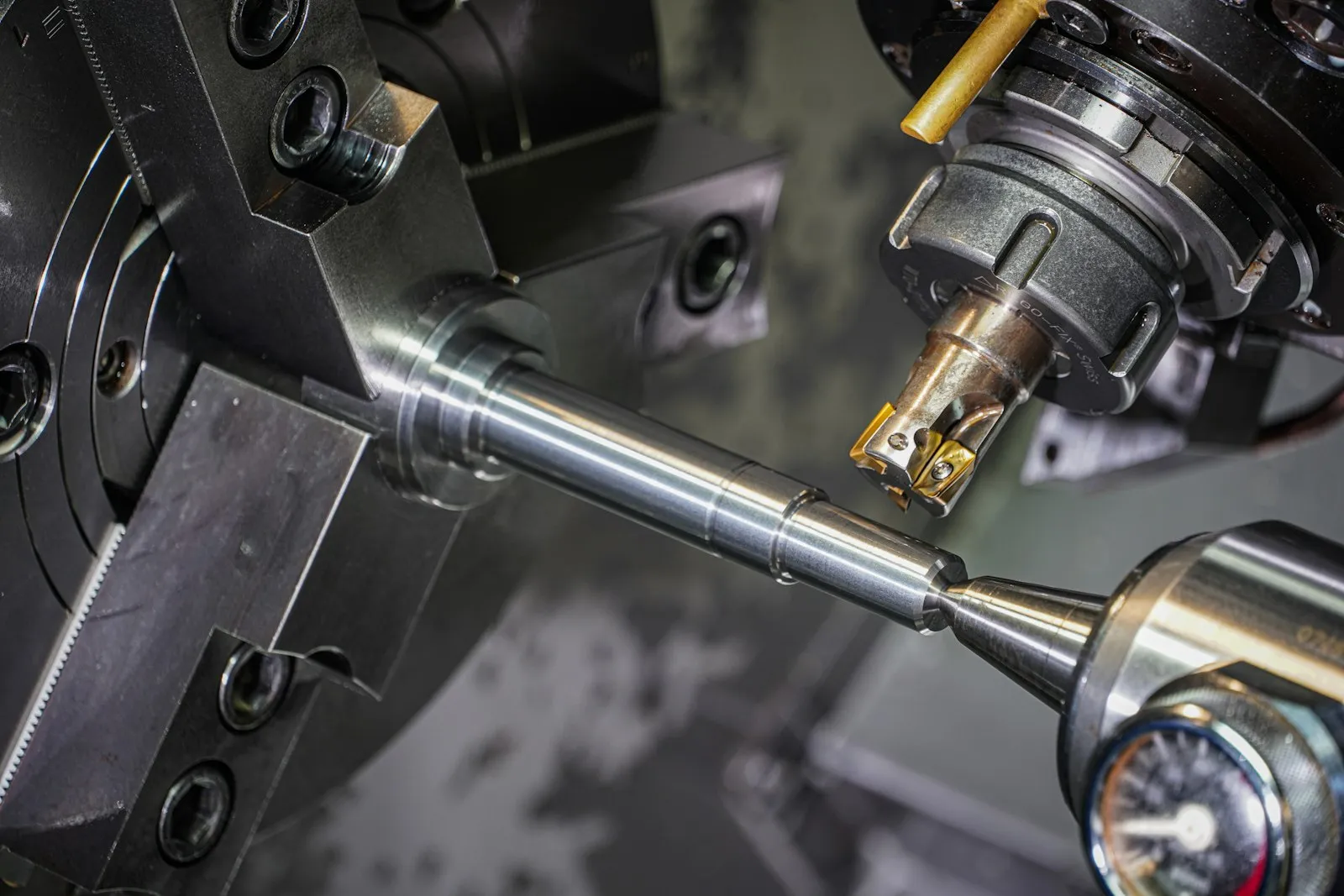
The 300 series gives the best all-round corrosion resistance, the 400 series is magnetic and partly hardenable, and the PH grades reach high strength by aging (SSINA). The 200 series uses less nickel and more manganese than the 300 series (BSSA).
| Series | Structure | Magnetic | Hardened by heat treatment | Example grades | Best for |
|---|---|---|---|---|---|
| 200 series | Austenitic, lower nickel | No (when annealed) | No | 201 | Parts where 300 series is not required by the drawing |
| 300 series | Austenitic | No (when annealed); slightly when cold worked | No | 303, 304, 316 | Fluid, food, marine and outdoor parts |
| 400 series | Ferritic or martensitic | Yes | Martensitic grades only | 410, 416, 430 | Parts that need hardness or magnetism |
| PH grades | Precipitation hardening | Yes | Yes, by aging | 17-4 PH | High-strength parts that also need corrosion resistance |
Example grades are labels, not a list of what we stock. The mill certificate that ships with your parts gives the composition and properties for the batch you receive. Grades 303 and 416 are the free-machining versions of 304 and 410 (Nickel Institute), and they trade some corrosion resistance and weldability for easier cutting.
Why is stainless steel harder to machine?
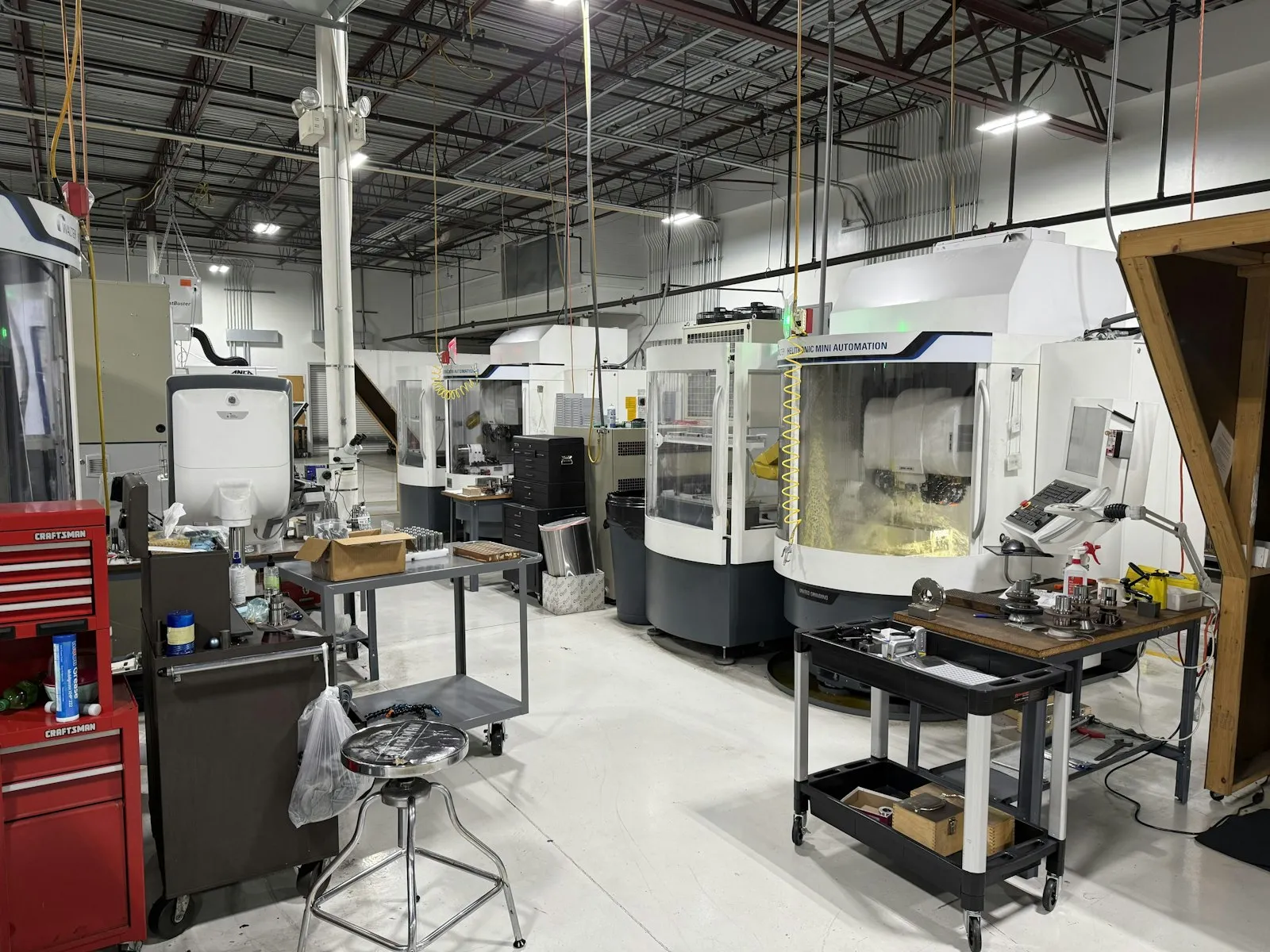
Stainless steel work hardens: the surface under the tool gets harder as it is cut. Work hardening is one of the main features that set stainless machinability (Nickel Institute). Grades 304 and 316 machine at about half the rate of free-cutting carbon steel (SASSDA).
What that means for your part:
- Cycle time. Stainless parts take longer to cut than the same part in aluminum or mild steel, so the material choice shows up in the quote.
- Small holes and fine threads. Deep small holes and fine threads take more care in work-hardening grades. Use the largest thread and hole size the design allows.
- Free-machining grades. If the part has many turned features and won’t be welded, 303 or 416 can cut cost. Ask in your quote.
- Austenitic grades and magnetism. 300-series parts can become slightly magnetic where they are cold worked (SASSDA). Say so on the drawing if the part must be non-magnetic.
What does 17-4 PH condition mean on a drawing?
17-4 PH is supplied solution treated, called Condition A, and reaches its strength by aging at a set temperature (BSSA). The aged conditions are named with an H and a number, such as H900 or H1150. Different conditions trade strength against toughness.
Write the condition you need next to the grade, for example “17-4 PH, H1150” (an example callout). Tell us the condition the finished part must be in, and the quote confirms how the part will be made and treated.
Which finishes suit stainless steel?
Passivation is the finish most often specified for machined stainless parts. It removes free iron left on the surface by cutting and helps the protective chromium oxide layer re-form, using a nitric or citric acid treatment (BSSA). ASTM A967 and ASTM A380 are the standards most drawings cite (ASTM International).
| Finish | Why you’d choose it on stainless | Watch for |
|---|---|---|
| Passivation | Restores corrosion resistance after machining | Name the standard, such as ASTM A967, on the drawing |
| Bead blasting | Even matte look | Changes appearance more than performance |
| Brushing | Linear grain on visible faces | Show the grain direction on the drawing |
| Electroplating | A specific surface for wear or looks | Confirm the plating type in the quote |
| Powder coating and painting | Color | Masking needed on threads and fits |
| As-machined | Lowest cost where looks don’t matter | Tool marks stay visible |
Not every stainless grade suits acid passivation; some high-carbon martensitic grades need care (BSSA). We confirm the treatment for your grade in the quote.
Our full list of finishes:
- As-machined
- Bead blasting
- Anodizing Type II
- Anodizing Type III (hard anodizing)
- Powder coating
- Brushing
- Passivation
- Electroplating (nickel, chrome, zinc)
- Painting
How do you call out stainless steel on a drawing?
Write the grade, the condition if it matters, and the product standard if one applies. For example (an example callout, not a recommendation): “Stainless steel 316, bar to ASTM A276, passivate to ASTM A967”. Other product standards seen on drawings include ASTM A479, A582 for free-machining bar and A564 for PH bar (ASTM International).
What to put on the drawing or in your message:
- Grade, such as 304, 316 or 17-4 PH. “Stainless steel” alone isn’t enough to quote.
- Condition, for PH and martensitic grades.
- Finish, with the passivation standard and any surfaces to mask.
- Equivalents, if you’d accept another grade, such as 303 in place of 304.
Every order comes with a mill certificate that traces the metal to its batch, along with QC inspection and ISO 9001 documentation.
- Standard QC inspection
- Material certification (mill certs)
- ISO 9001 documentation
Questions buyers ask about stainless steel CNC machining
Is 303 or 304 better for a machined part?
303 machines more easily, because it is the free-machining version of 304 (Nickel Institute). Choose 304 when the part will be welded or needs the better corrosion resistance; choose 303 for heavily turned parts that won’t be welded.
What is the difference between 304 and 316?
Both are austenitic 300-series grades. 316 adds molybdenum, which gives it better resistance to pitting and crevice corrosion in chlorides, such as salt water (SSINA design guidelines). Name the grade on the drawing, and we quote that grade.
Is stainless steel magnetic?
It depends on the series. Austenitic 200 and 300 series grades are non-magnetic when annealed, while 400 series and PH grades are magnetic (SSINA).
Do machined stainless parts need passivation?
Passivation removes iron left on the surface by cutting tools and helps the part resist corrosion (BSSA). It’s worth specifying on parts that will see water, chemicals or food contact.
Can 17-4 PH be hardened after machining?
Yes. 17-4 PH is machined in Condition A and then aged to the condition on the drawing (BSSA). Tell us the condition the finished part must be in.
Will I get a material certificate?
Yes. A mill certificate comes with every order, so the grade traces back to the batch the metal came from.
New to the process? Read what CNC machining is and how a part is made, compare stainless with aluminum for CNC machining or mild steel parts, or see all the metals we machine.
Sources
- SSINA, Alloy Families, https://www.ssina.com/education/product-resources/alloy-families/, accessed 2026-10-20.
- SASSDA, Stainless steel frequently asked questions, https://sassda.co.za/about-stainless/frequently-asked-questions/, accessed 2026-10-20.
- Nickel Institute, Stainless Steels for Machining (Designers’ Handbook 9011), https://nickelinstitute.org/media/1814/stainlesssteelsformachining_9011_.pdf, accessed 2026-10-20.
- BSSA, 200 series stainless steels, https://bssa.org.uk/wp-content/uploads/2022/03/200seriesbssa.pdf, accessed 2026-10-20.
- BSSA, Precipitation hardening stainless steels, https://bssa.org.uk/bssa_articles/precipitation-hardening-stainless-steels/, accessed 2026-10-20.
- BSSA, Passivation of stainless steels, https://bssa.org.uk/bssa_articles/passivation-of-stainless-steels/, accessed 2026-10-20.
- SSINA, Design Guidelines for the Selection and Use of Stainless Steels, https://www.ssina.com/wp-content/uploads/2019/06/designguidelines.pdf, accessed 2026-10-20.
- ASTM International, A967, A380, A276, A479, A582 and A564 (named; homepage linked), https://www.astm.org/, accessed 2026-10-20.
Capabilities
How we make metal parts
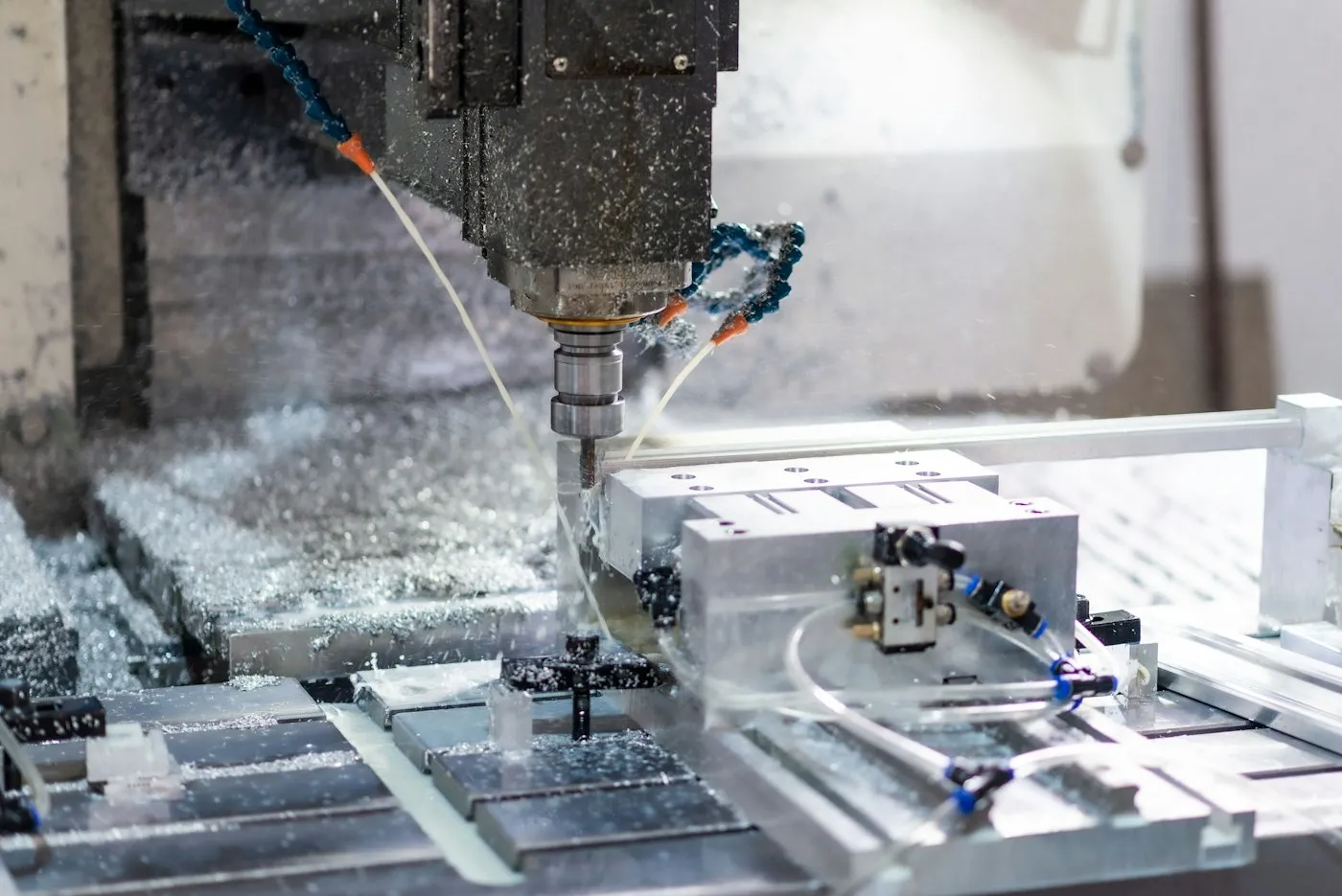
CNC machining
Prismatic metal parts made from your STEP file and drawing.
Explore CNC machining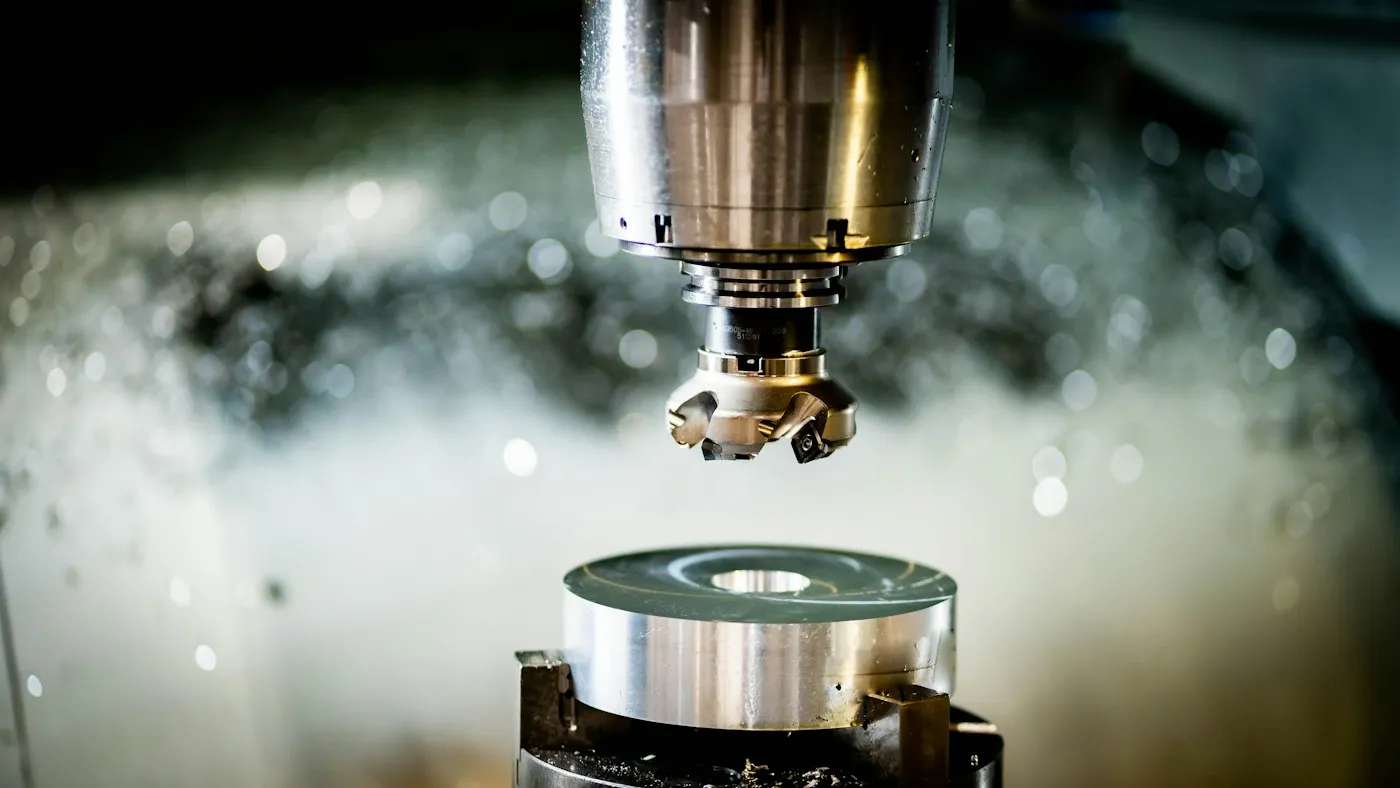
CNC milling
Pockets, faces, slots and threaded features on VMC.
Explore CNC milling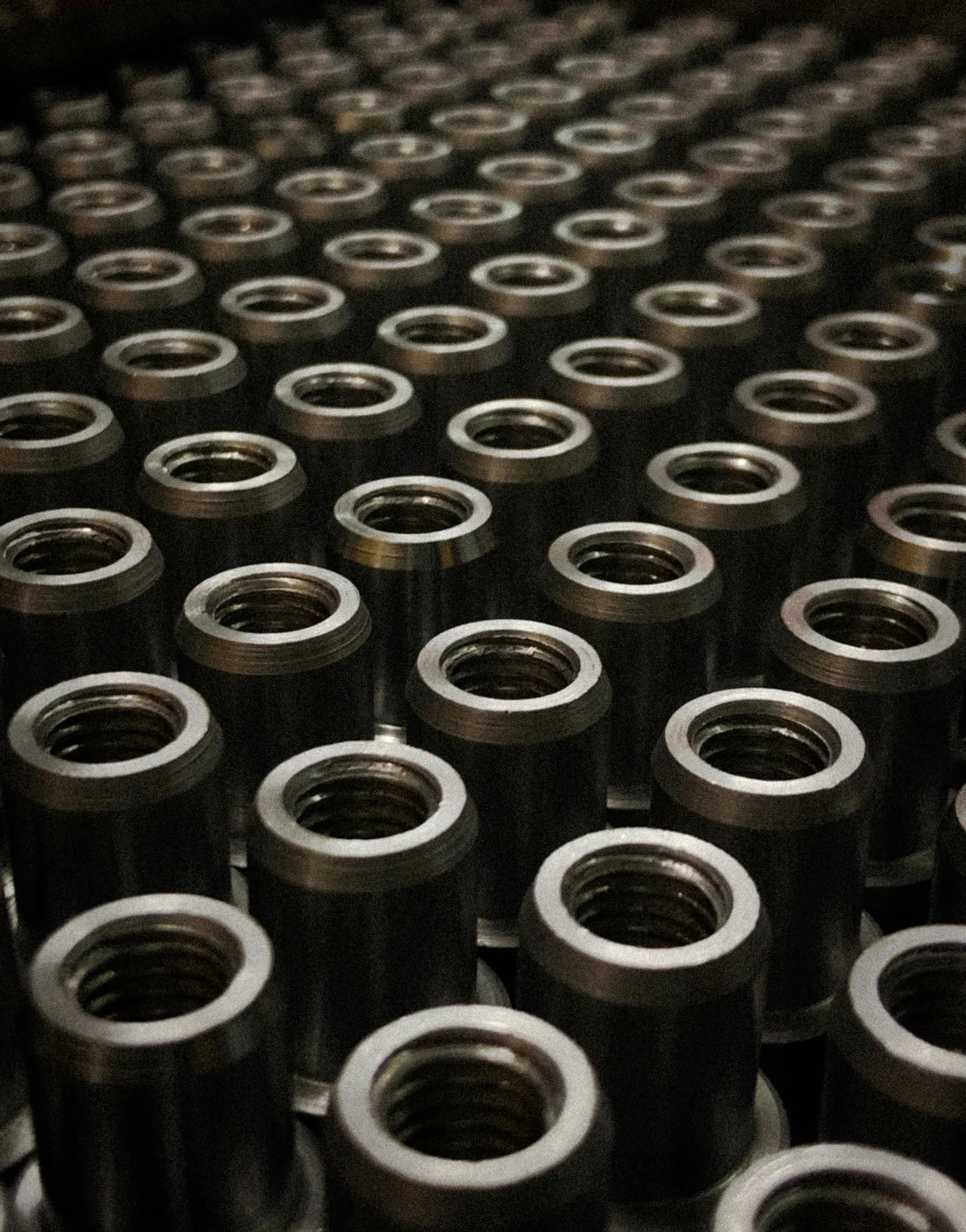
CNC turning
Shafts, pins, bushings and round fittings turned on CNC lathes.
Explore CNC turning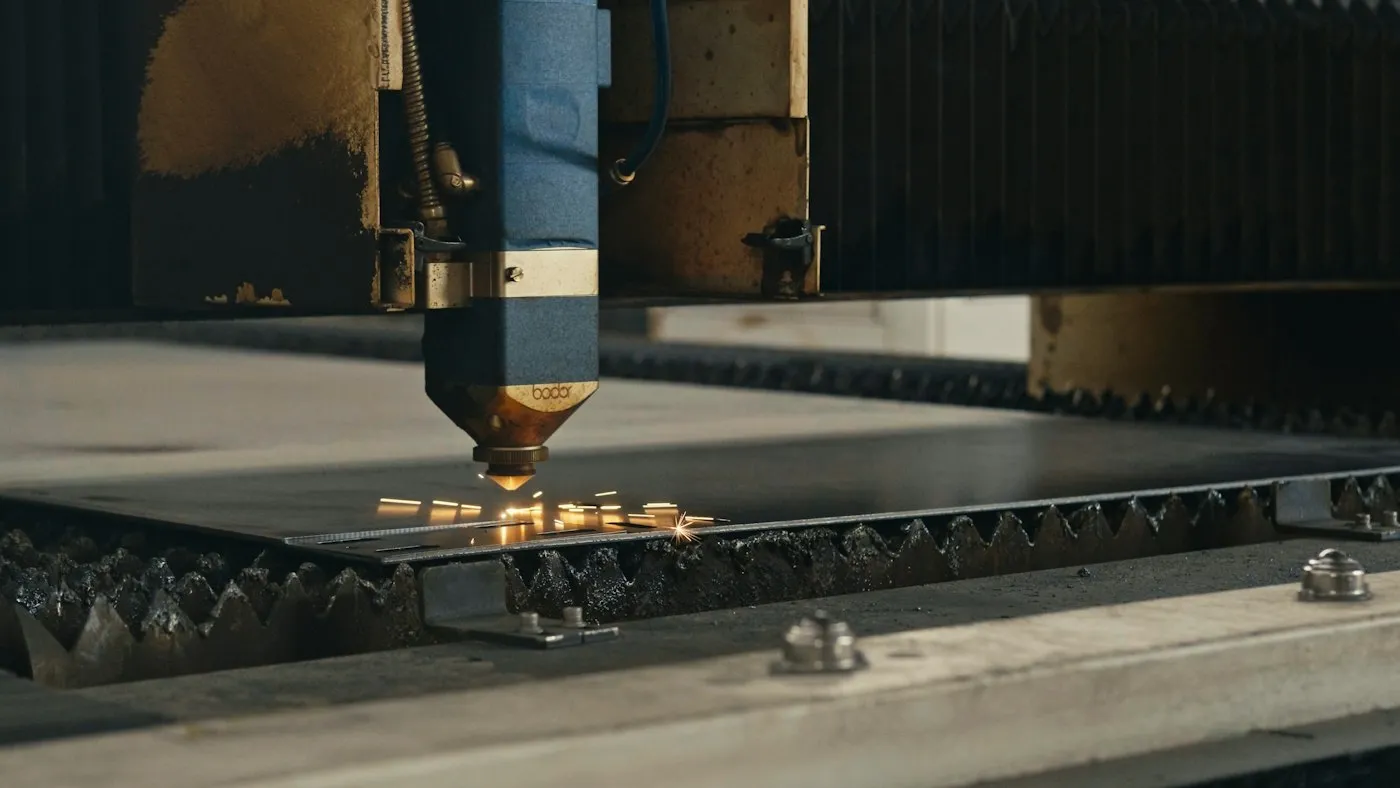
Sheet metal cutting
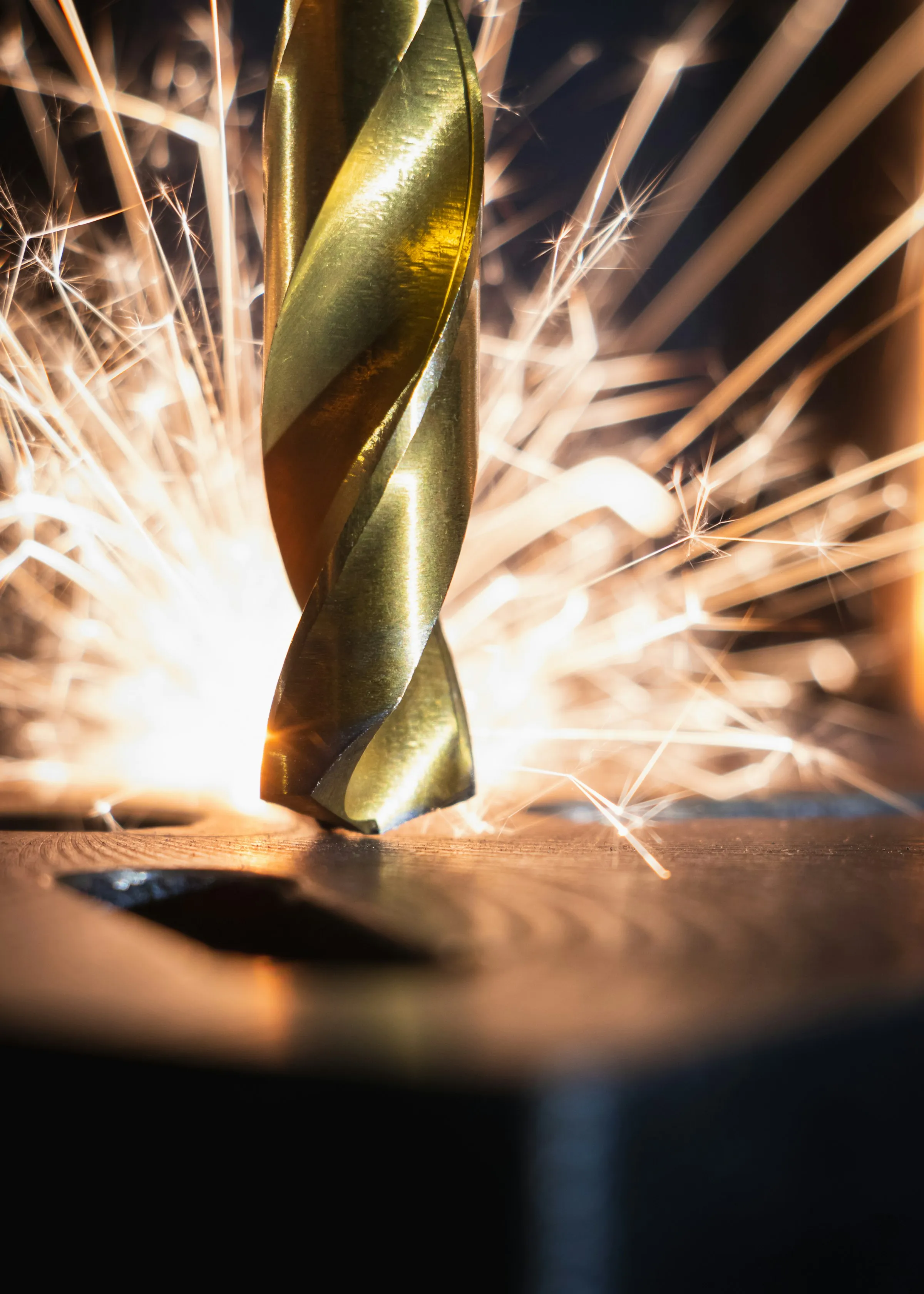
Flat profiles with clean, repeatable edges.
Explore sheet metal cutting
Send the drawing with your stainless callout
Our engineers check the grade, condition and finish against the part, flag anything that adds cost and send one quote with the price and lead time.