Machined and sheet metal parts for machine builders
Frame plates, shafts, housings, brackets and guards for the machines you build, made to your drawing. The machined parts and the sheet metal around them come on one order, with one set of documents.
See the parts matrix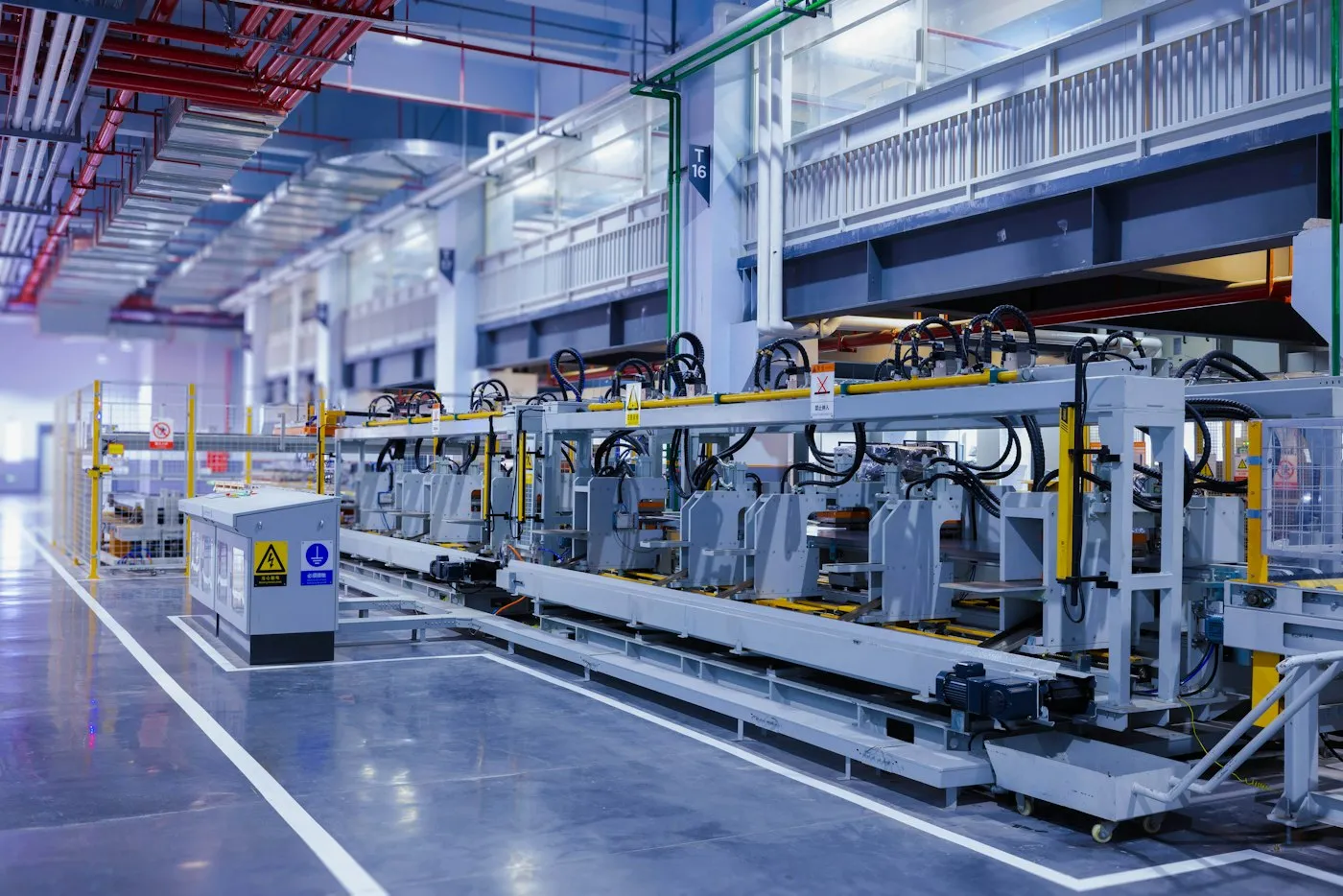
- Design and data security
- NDA protected
- Processes
- Milling, turning, sheet metal
- Quality
- ISO 9001 certified
- Replies
- Within 6 hours
Machine builder parts are the frames, shafts, housings, brackets and guards a machine is built from, made to the builder’s drawings. Maketeq makes them in metal for machine builders and OEMs worldwide: milled, turned, laser cut and bent, on one order. Every order is inspected against your drawings and ships with its QC report, mill certificates and ISO 9001 documentation.
Which parts do machine builders outsource?
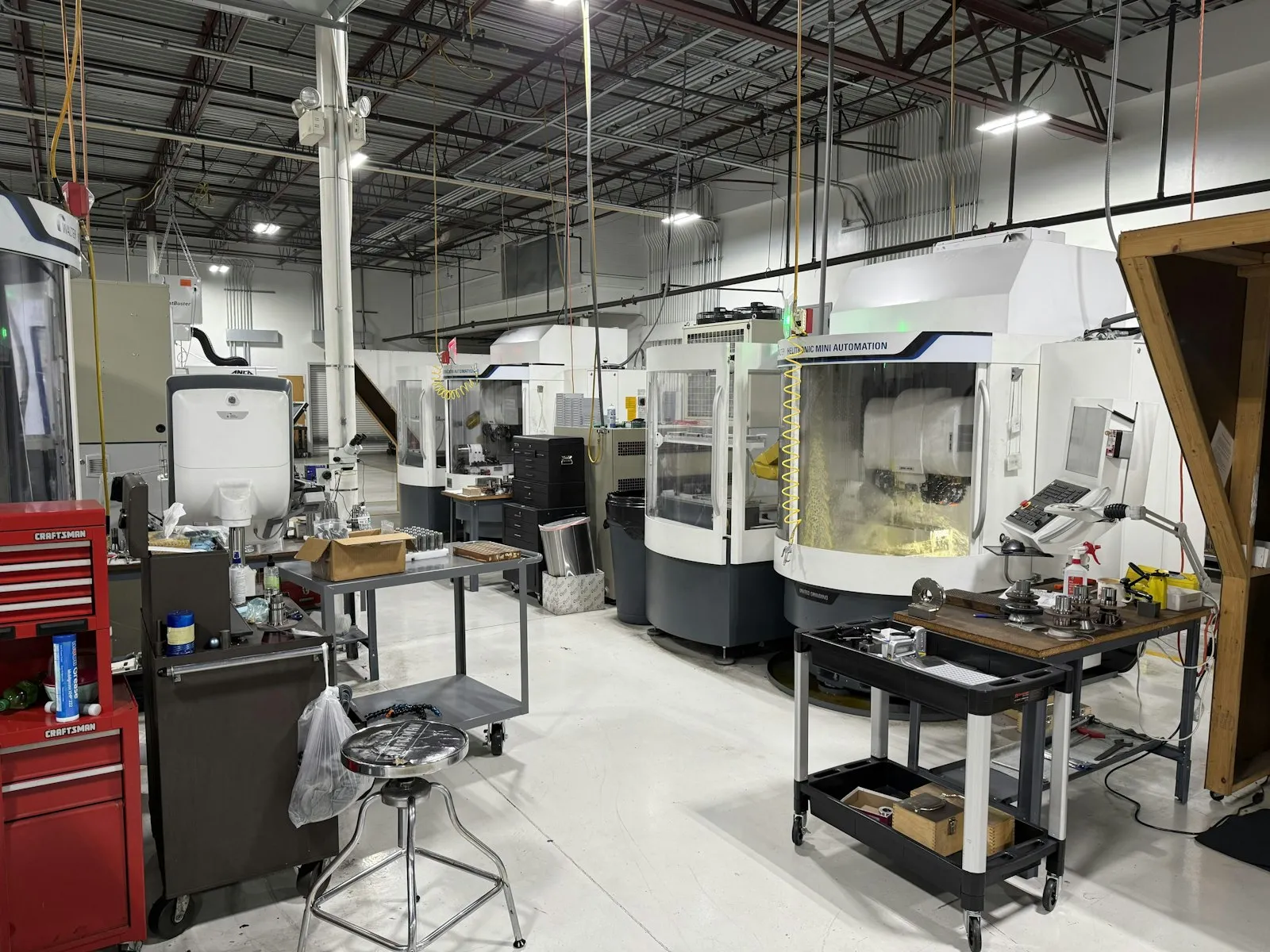
Most build-to-print work splits into machined parts and the sheet metal around them. This is how a typical part list routes, with the metal series that usually suit each part:
| Part | Process | Metals that suit |
|---|---|---|
| Frame, base and mounting plates | CNC milling | Mild steel 10xx to 12xx for stiff plate; aluminum 5xxx or 6xxx where weight matters |
| Shafts, spindles, pins and rollers | CNC turning | Free-machining mild steel 11xx or 12xx; stainless 300 or 400 series where wet |
| Bearing and gearbox housings | Milling and turning, 5-axis for several faces | Aluminum 6xxx, mild steel, stainless 300 series |
| Brackets and mounts | Laser cutting and bending, or milling | Mild steel, aluminum 5xxx, stainless 300 series |
| Guards, covers and panels | Laser cutting and bending | Mild steel with powder coating or paint, brushed stainless, aluminum 5xxx |
| Wear plates, gibs and guide blocks | CNC milling | Tool steel A, D or O series |
| Bushings, spacers and couplings | CNC turning | Free-cutting brass, mild steel, copper for electrical parts |
The carbon steel series follow the SAE numbering system from SAE International. The exact grade is confirmed in your quote; see the mild steel and aluminum pages for how each series machines.
One machine, one order
The whole part list for your machine
A machine is a mix of milled, turned and sheet metal parts. Send them together and each part goes to the process that suits it, then ships with the rest.
Each part made by the process that suits it
Frames and housings
Plates, bases and housings milled from solid.
Learn moreShafts and bushings
Shafts, pins, rollers and bushings turned from bar.
Learn moreGuards and brackets
Panels, covers and brackets laser cut and bent.
Learn more
Then, for every part on the order
Finish
Powder coating, painting, plating or anodizing, where your drawing calls for it.
Inspect and document
Checked against your drawings, with the QC report and mill certificates.
One supplier works to one set of drawings, so the guard fits the frame it was drawn against.
Applications
Parts machine builders order
Build-to-print parts for new machines, spares and retrofits, from one prototype to repeat batches.
Frame and base plates
Flat, pocketed and drilled plates that carry the machine.
Shafts, spindles and rollers
Turned parts with bearing seats, keyways and threads.
Bearing and gearbox housings
Milled and turned bodies with bores and seal faces.
Brackets and mounts
Laser cut and bent, or milled from plate.
Guards, covers and panels
Solid or perforated sheet, cut, bent and finished.
Wear plates and guide blocks
Milled from tool steel to your drawing.
Bushings, spacers and couplings
Turned in brass, mild steel or copper.
Levers, handles and fittings
Small turned and milled parts in stainless or brass.
Our capabilities
Capabilities for machine parts
The metals, finishes and documents for machined and sheet metal parts. The exact grade, tolerances and finish are confirmed in your quote.
A wide range of metals
Metals, plastics and other materials (plastics: see `plastics`; Vivek, 24 Oct 2026). Listed by alloy series; the exact grade is confirmed in your quote.
Name the series and condition on the drawing, not just "steel". Wear parts and frame plates need different metals.
1xxx · 2xxx · 3xxx · 4xxx · 5xxx · 6xxx · 7xxx · 8xxx
200 series · 300 series · 400 series · PH grades
10xx · 11xx · 12xx
A series · D series · H series · M series · O series · S series · W series
Grades 1 to 4 · Grade 5
C2xxxx · C3xxxx
C1xxxx
From as-machined to anodized
For guards and covers, say whether the finish goes on after bending. Coating before bending can crack at the bend line.
- As-machined
- Bead blasting
- Anodizing Type II
- Anodizing Type III (hard anodizing)
- Powder coating
- Brushing
- Passivation
- Electroplating (nickel, chrome, zinc)
- Painting
CNC machining
Down to ±0.005 mm
±0.0002" · on request, depending on the part
Laser cutting
Down to ±0.05 mm
±0.002" · on request, depending on the part
Bending
Down to ±0.1 mm
±0.004" · on request, depending on the part
There is no standard tolerance that applies to every part. What we can hold depends on the part: geometry, size, wall thickness, material, process, finish and how the feature is inspected. We work to the tolerances on your drawing and confirm them in the quote.
Paperwork your customer will ask for
A CMM inspection report suits bearing bores, seal faces and other features that locate the machine's moving parts.
With every order
- Standard QC inspection
- Material certification (mill certs)
- ISO 9001 documentation
On request
- CMM inspection report
- DFM analysis
- Geometric and dimensional metrology reports (FAIR, ballooned drawing, 3D scan, manual, Ra)
- Material verification and chemistry reports (MTC, PMI)
More on request
- Non-destructive testing reports (LPI, MPI)
- Process capability and compliance reports (SPC, PPAP)
- Other reports, on request
What goes into a machine guard?
A guard is usually two parts in one: a structural frame of shapes, bar or rod, with solid, perforated or expanded sheet metal or mesh as the infill (OSHA). That makes it a natural mixed order. The frame and its mounting points are machined, the panels are laser cut and bent, and both are finished before they ship.
Guard design is covered by ISO 14120 from the International Organization for Standardization (ISO), with interlocking devices in a separate standard. You design the guard to the standard; we make it to your drawing.
Who is responsible for the machine’s compliance?
The machine builder is. In the EU, the Machinery Regulation (EU) 2023/1230 replaces the Machinery Directive and applies from 20 January 2027 (EU-OSHA). It places the design and conformity duties on the manufacturer of the machine, not on the suppliers of its parts.
What a parts supplier adds to your technical file is evidence that the parts match the drawing. Every order includes QC inspection, mill certificates and ISO 9001 documentation, and a CMM inspection report is available on request for the features that matter.
Which finishes suit machine parts?
The finish follows where the part sits on the machine and what touches it:
| Part | Finishes that suit | Why |
|---|---|---|
| Guards, covers and frames in mild steel | Powder coating or painting | Corrosion protection and the machine’s color |
| Brackets, fasteners and small steel parts | Zinc or nickel plating | Corrosion protection on small steel parts |
| Aluminum housings and plates | Anodizing Type II, or Type III for wear surfaces | A hard, corrosion-resistant surface |
| Stainless guards and washdown parts | Passivation, brushing or bead blasting | Corrosion resistance and an even surface |
| Shafts, bores and fits | As-machined | Keeps the fit sizes as machined |
Coatings add thickness, so mark which dimensions apply after finishing and which surfaces must stay bare.
What should the drawing say?
Four callouts settle most questions before the quote:
- Tolerances and datums. GD&T to ASME Y14.5 from the American Society of Mechanical Engineers (ASME), or an ISO 2768-1 general tolerance class in the title block.
- The material series and condition, such as a 10xx mild steel or a 6xxx aluminum with its temper, not just “steel”.
- The finish and its sequence, especially for guards that are coated after bending.
- The features that locate, such as bearing bores and mounting faces, so they get the closest inspection.
Right first time
Why machine parts come back wrong, and how we prevent it
Most rejects trace back to a detail that wasn't on the drawing. These are the ones we ask about before anything is cut.
Guard panels don't fit the frame
Why:The machined frame and the sheet metal guards came from two suppliers working to different datums.
Both made by one supplier from one set of drawings, with the mating features checked.
Bore out of round after finishing
Why:Thin walls or slender parts move during cutting, or the coating adds thickness.
We ask what the bore locates and whether the size applies before or after finishing, and offer a CMM report.
Coating chips or rusts at cut edges
Why:The sheet was coated before bending, or the edges weren't covered.
We confirm the finish sequence, and suggest stainless or aluminum for washdown areas.
Wrong steel for a wear part
Why:The drawing named only "steel".
We ask for the series and condition, and the mill certificate comes with every order.
Quality assurance
Every bore, fit and guard, checked against your drawing
We guarantee consistent quality from first order to repeat production.
- ISO 9001 certified quality system
- Bores, fits, hole positions and guard dimensions checked against your drawings before the parts ship
- Standard QC inspection, material certification (mill certs) and ISO 9001 documentation with every order
- CMM inspection report and DFM analysis on request
- NDA as standard. Files shared only with our production team.
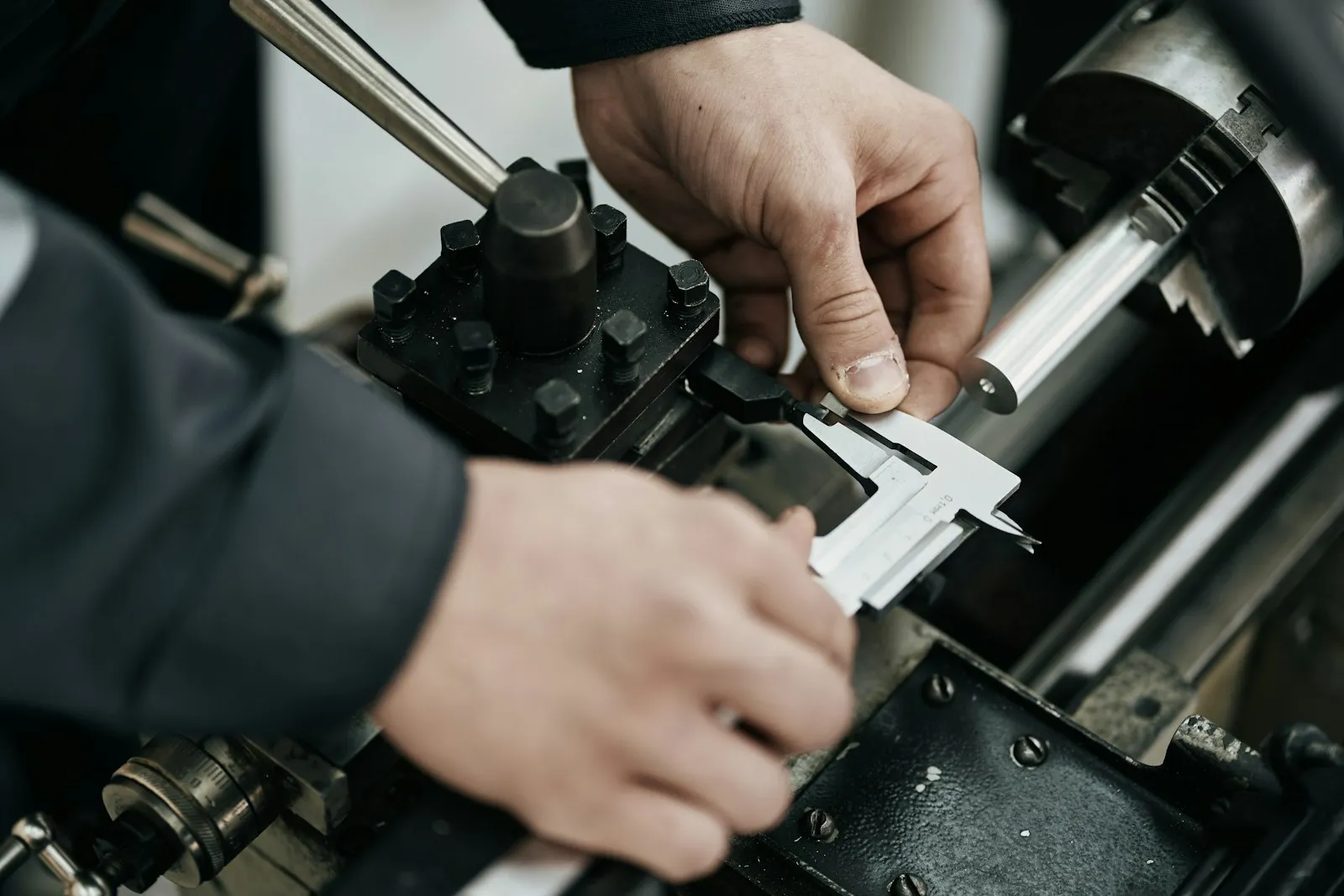
How we work
From inquiry to satisfaction
The same path on every order, so you always know what happens next and what you'll receive.
- 01
Inquiry and drawing
You send your CAD file or drawing. We log the design and an engineer reviews it for manufacturability (DFM).
- 02
Quote with DFM notes
One quote with the price, the lead time and notes on anything that adds cost.
- 03
Sample part for reference
A sample part is made and sent to you for reference before production starts.
- 04
Production
The batch is made to the approved sample and inspected against your drawing.
- 05
Proof before the parts arrive
Photos of your parts, the QC reports and proof of dispatch reach you before the parts do.
- 06
Delivery and satisfaction survey
Parts arrive by standard delivery, and we ask how we did with a short customer satisfaction survey.
Gallery
Machine builder parts gallery
Why Maketeq
Why machine builders choose Maketeq
Machined and sheet metal parts together
Machining and sheet metal from one supplier, so the frame, the guards and the brackets arrive on one order.
Accuracy where parts locate
Tolerances down to ±0.005 mm (±0.0002") on request, depending on the part, for bores and fits.
Documents with every order
QC inspection, mill certificates and ISO 9001 documentation with every order; CMM report and DFM analysis on request.
Proof before the parts arrive
Photos of your parts, the QC reports and proof of dispatch reach you before the parts do.
Engineers who reply
Technical team on email and WhatsApp. Reply within 6 hours, whatever your time zone.
Delivered worldwide
Usually DHL or FedEx, local carriers where it suits the country, and customs paperwork handled.
Questions buyers ask about machine builder parts
Can one supplier make the machined parts and the guards?
Yes. Machining and sheet metal come from one supplier, so frames, shafts, housings, guards and brackets can be made on one order to one set of drawings.
Which metal is best for frame plates, shafts and housings?
It depends on the part’s job. Mild steel suits stiff frame plates and shafts, aluminum suits housings and plates where weight matters, stainless suits washdown areas and tool steel suits wear parts. The exact grade is confirmed in your quote.
Do I need CE marking documents from my parts supplier?
No. CE marking and the machine’s conformity are the builder’s responsibility. From us you get the evidence for your parts: QC inspection, mill certificates and ISO 9001 documentation, with a CMM report on request.
Do you make spare and retrofit parts?
Yes, to a drawing. Send the current drawing revision, and we make the part to it, whether it’s for a new machine or a replacement.
Do you send a sample before production?
Yes. A sample part is made and sent to you for reference before production starts.
What do I receive before the parts arrive?
Photos of your parts, the QC reports and proof of dispatch reach you before the parts do.
Is there a minimum order quantity?
No. You can order one part or a production batch.
Ready to start? Upload your drawings for a quote. See the other industries we supply.
Learn more
Related guides and articles
Capabilities
How we make metal parts
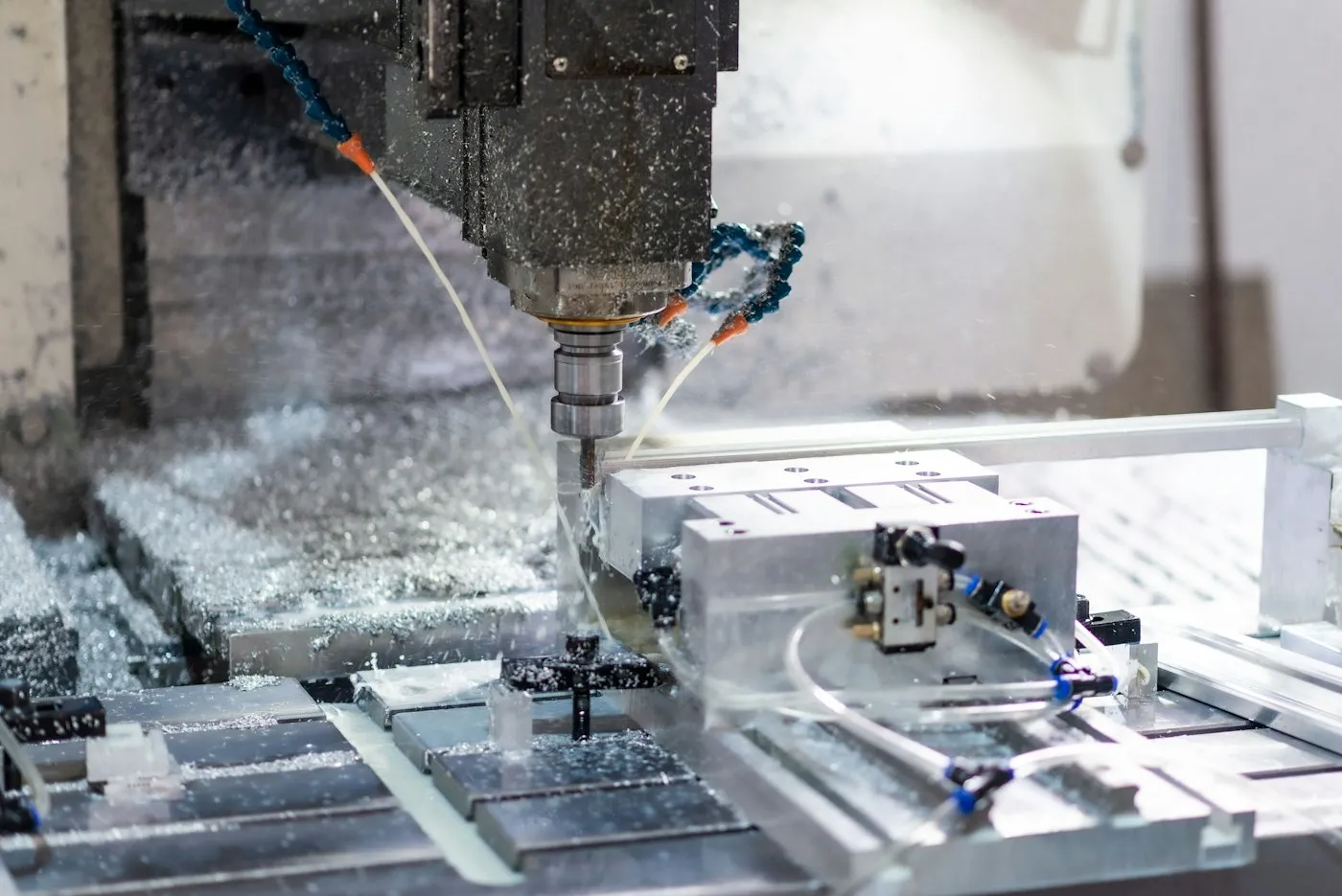
CNC machining
Prismatic metal parts made from your STEP file and drawing.
Explore CNC machining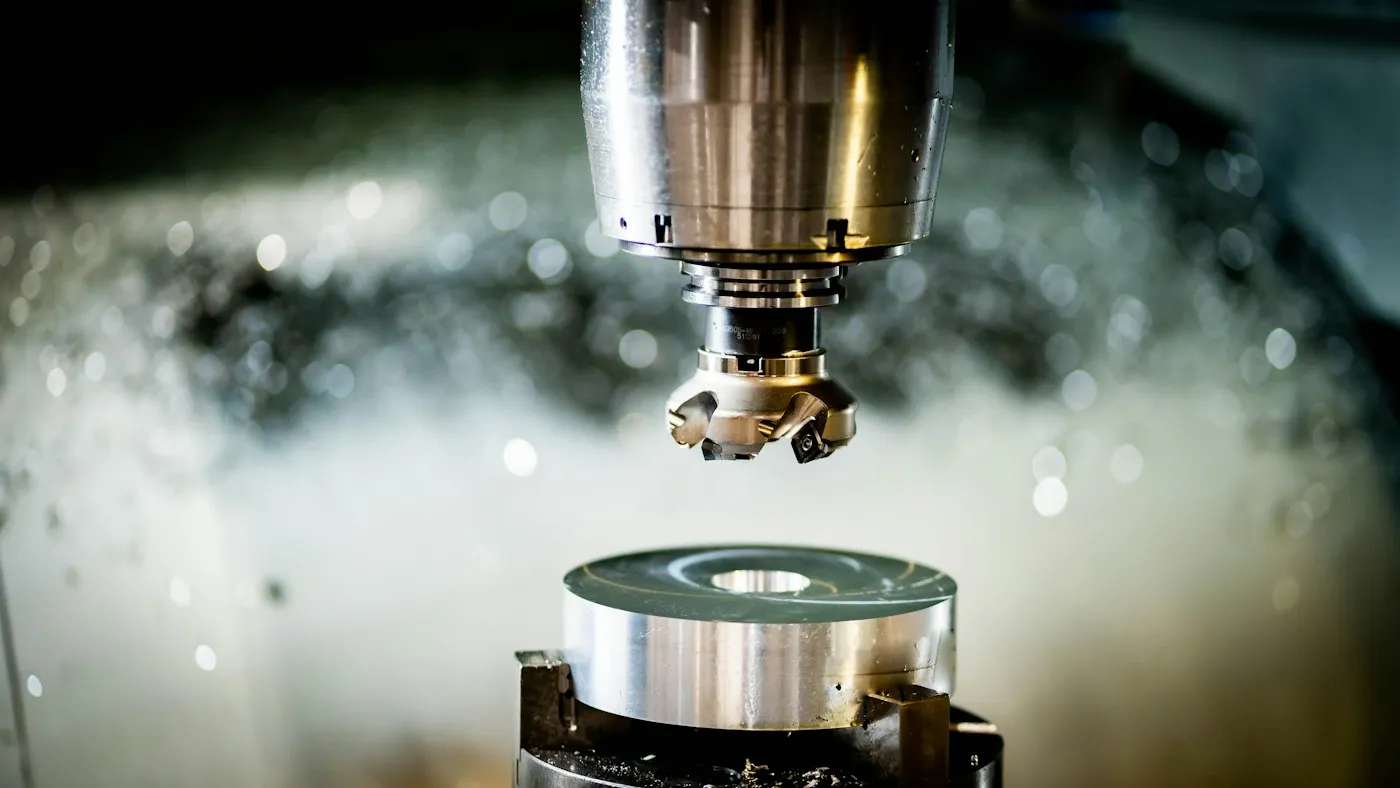
CNC milling
Pockets, faces, slots and threaded features on VMC.
Explore CNC milling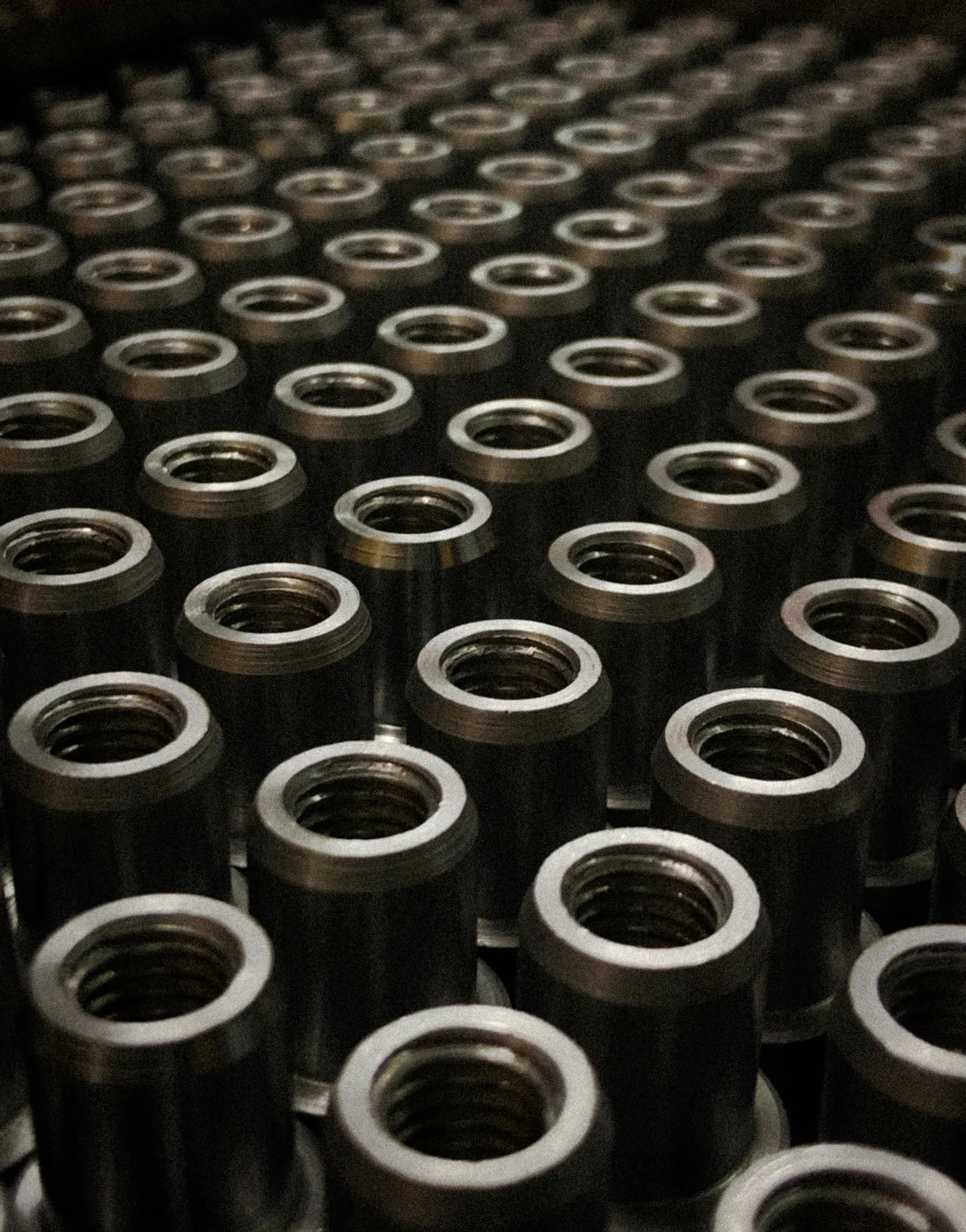
CNC turning
Shafts, pins, bushings and round fittings turned on CNC lathes.
Explore CNC turning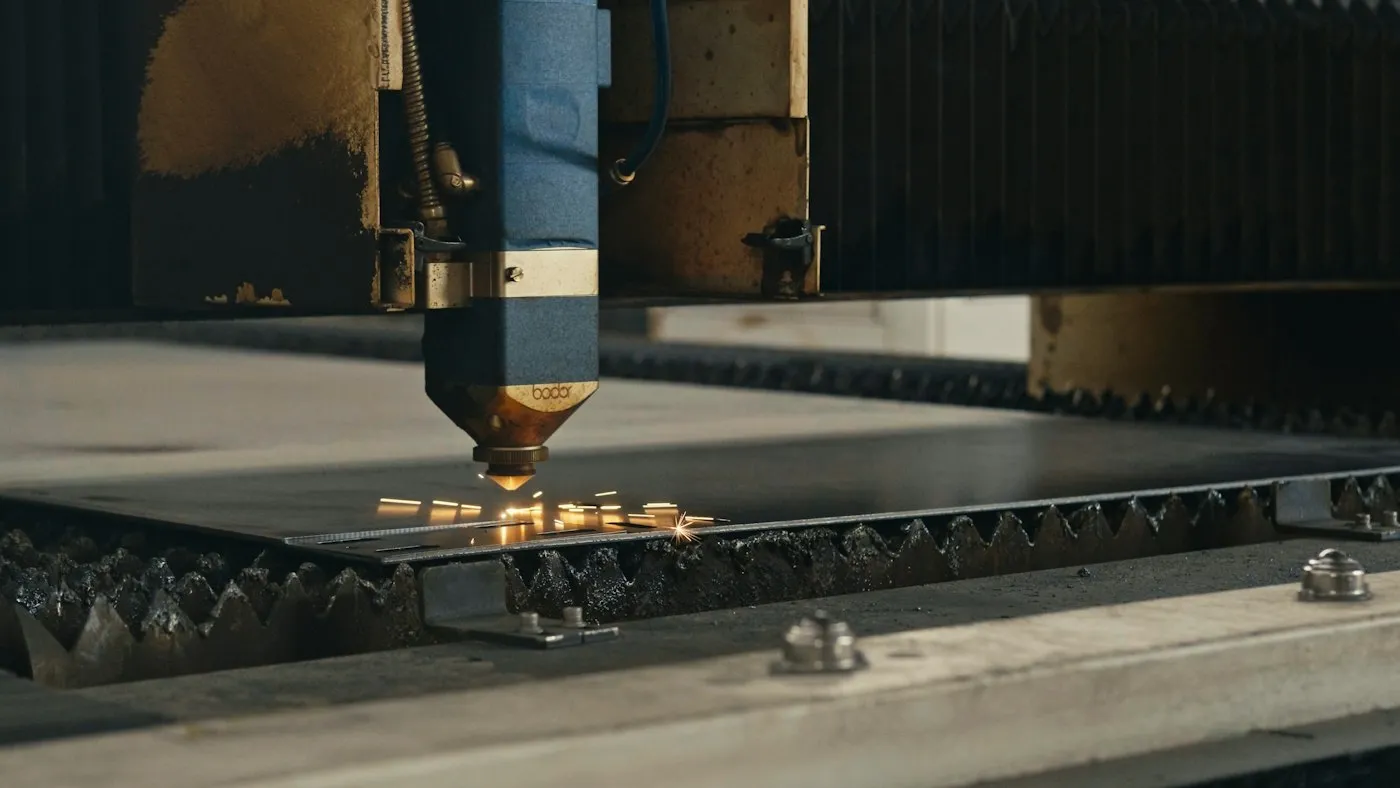
Sheet metal cutting
Flat profiles with clean, repeatable edges.
Explore sheet metal cutting
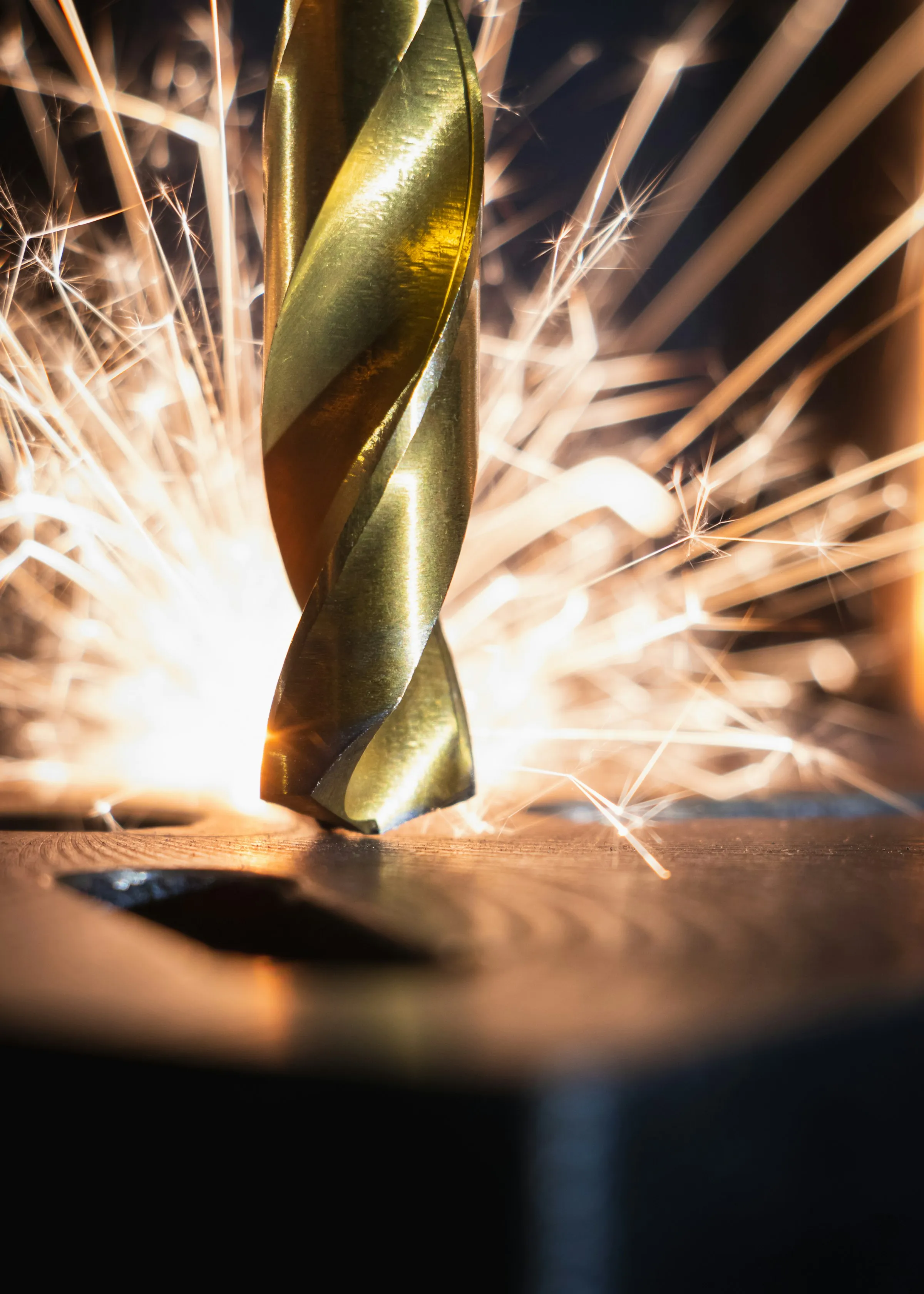
Send the drawings for your machine
Send the part list as it is: machined parts, guards and brackets together. An engineer routes each part and sends one quote.